
The Philippines is rapidly advancing toward a cash-light economy, largely due to the adoption of real-time payment (RTP) systems. These platforms enable instantaneous fund transfers between bank accounts, creating greater efficiency and convenience for everyday financial transactions. As the country continues to embrace digital innovation, RTP systems are becoming a central component of both personal finance and business operations.
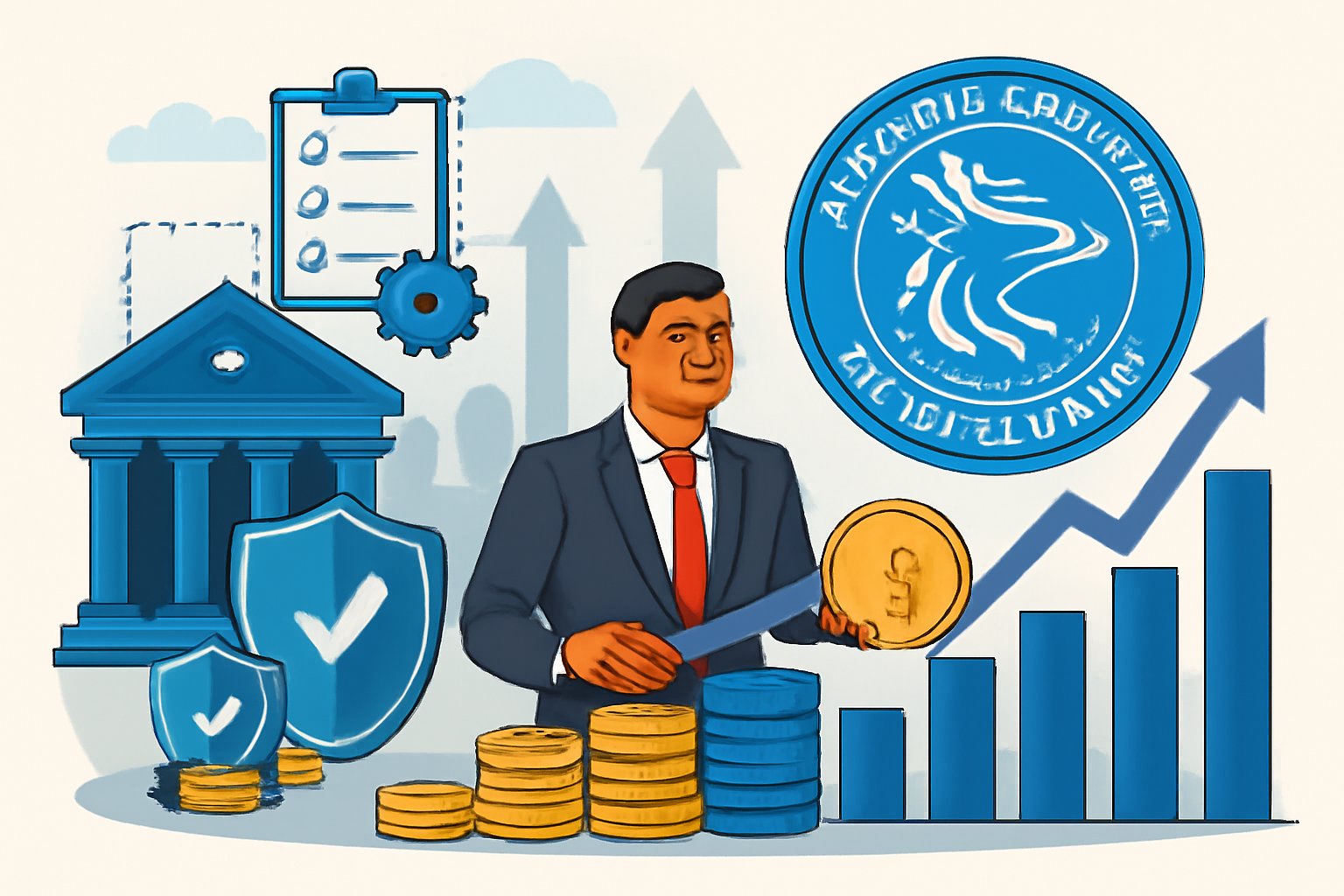
A key driver of this change has been the Bangko Sentral ng Pilipinas (BSP). In 2018, the BSP introduced the National Retail Payment System (NRPS) to promote the modernization of payment infrastructure. Central to this initiative are platforms like InstaPay for low-value retail payments and PhilPaSS+ for high-value settlements. By offering a structured framework, the NRPS has facilitated faster, safer, and more reliable digital transactions across the Philippines.
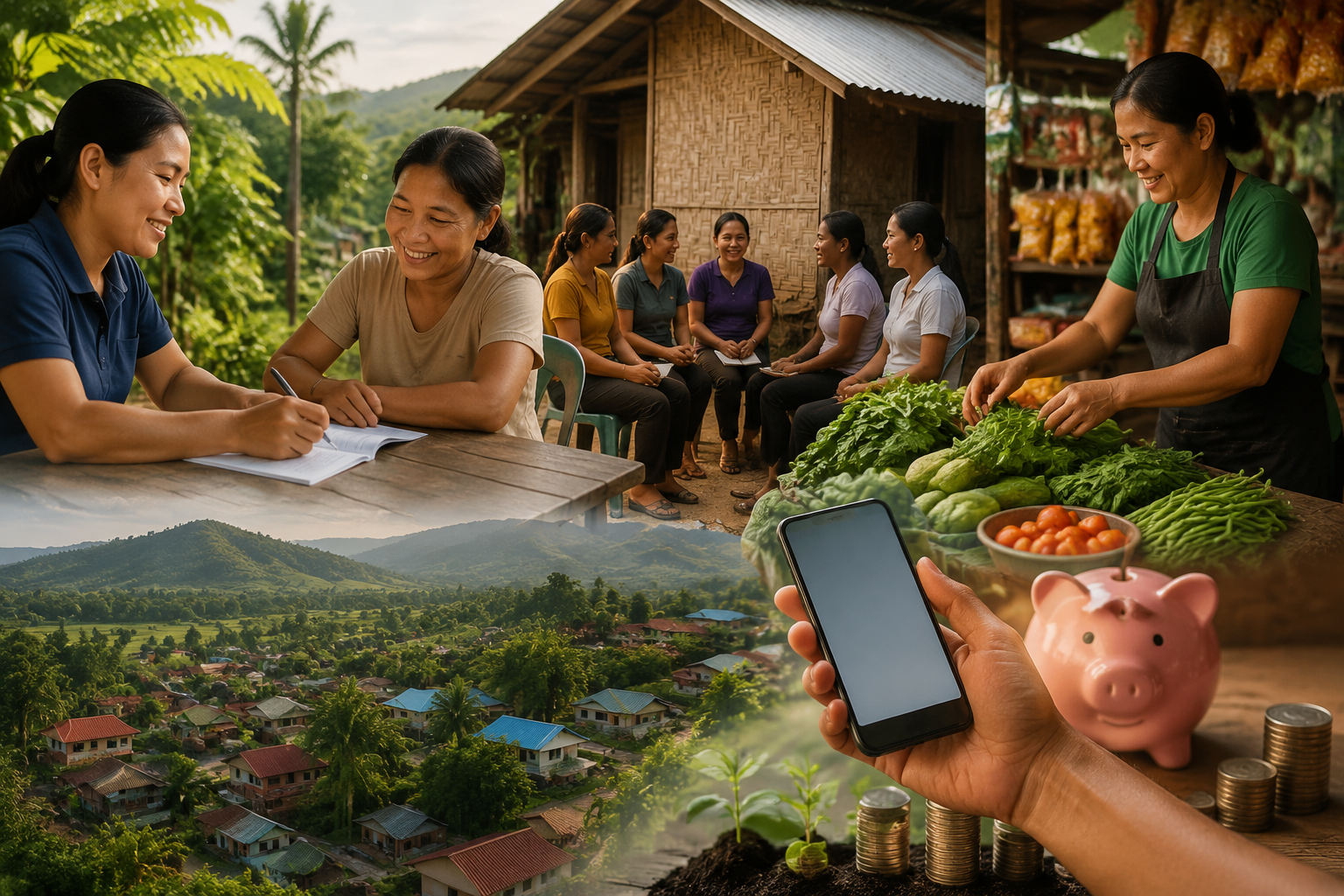
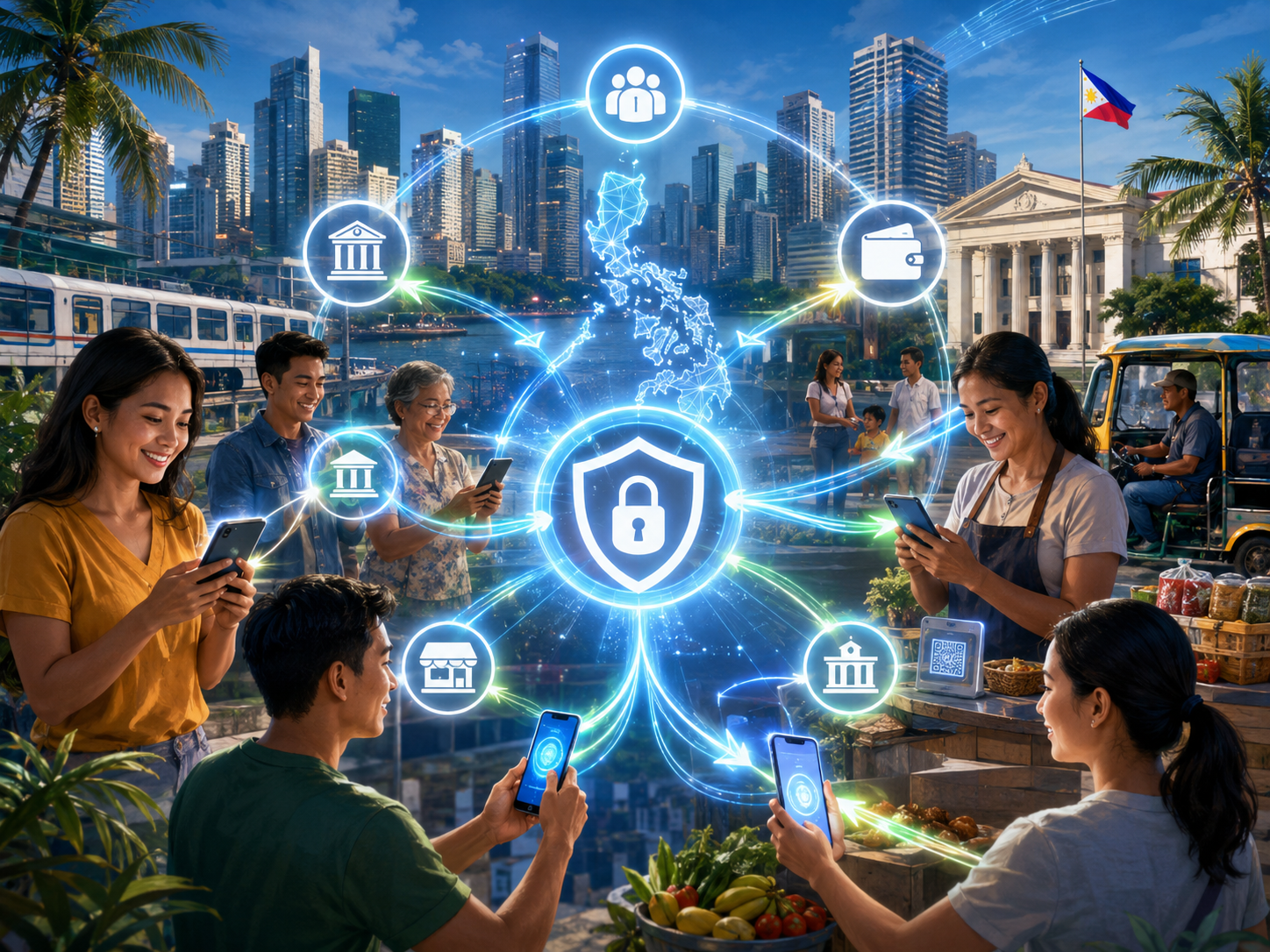
Among these platforms, InstaPay has gained remarkable traction due to its ease of use and broad accessibility. Transactions can be made using a recipient’s mobile number, email, or bank account number, allowing funds to move instantly without complicated banking procedures. Integration with mobile wallets and online banking platforms has further enabled financial inclusion, particularly for rural communities and individuals without access to traditional banking services. Monthly transaction volumes continue to rise, reflecting growing public confidence in real-time digital payments.
For businesses, RTP systems have become indispensable tools. Small and medium enterprises (SMEs) can process supplier payments, payroll, and customer refunds instantly, reducing administrative delays and improving cash flow management. The transparency of real-time transactions also enhances compliance with regulatory and anti-money laundering policies, offering an additional layer of security. Government agencies have similarly leveraged RTP platforms to distribute social assistance, tax refunds, and emergency relief funds, underscoring the versatility of these systems.
Technological advancements have played a pivotal role in securing these platforms. RTP systems use end-to-end encryption, multi-factor authentication, and continuous monitoring to safeguard users against fraud. Financial institutions and regulators continue to strengthen cybersecurity measures to maintain trust as digital payments gain traction.
Despite progress, challenges remain. Ensuring full interoperability among banks and e-wallet providers, managing system downtimes, and addressing transaction limits are key areas that need refinement. Yet, the steady growth of RTP adoption highlights a shift in consumer behavior toward embracing digital finance as a reliable alternative to cash-based transactions.
The evolution of real-time payment systems in the Philippines reflects a broader trend toward financial modernization. Through regulatory support, technological innovation, and user-centric approaches, the country is moving toward a digital economy where instant, secure, and convenient payments are the norm. This transformation not only boosts efficiency for individuals and businesses but also strengthens economic inclusivity across the nation.