

The Philippines is a rapidly growing economy in Southeast Asia with a promising investment climate. Its expanding financial market, coupled with a young and dynamic workforce, makes the country an appealing destination for investors. However, despite its many advantages, investors need to be aware of certain challenges that could affect their investment decisions and returns.
Investment Potential
- Economic Growth and Stability
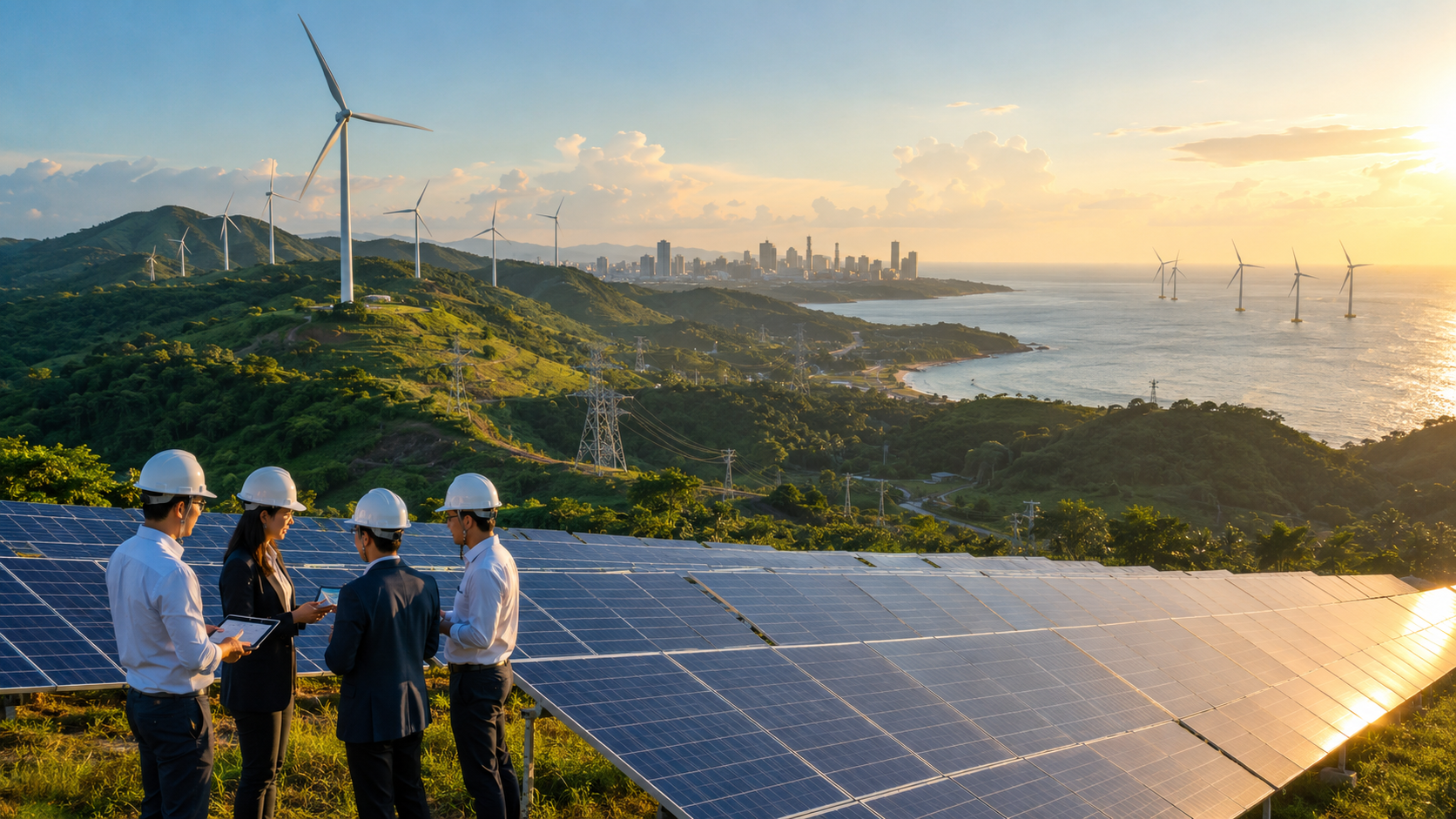
The Philippines has experienced remarkable economic growth, fueled by strong domestic consumption, remittances, and services, particularly from its BPO sector. The government’s efforts to improve infrastructure through its “Build, Build, Build” initiative further boost economic prospects, offering investment opportunities in sectors such as construction, transportation, and energy. - Demographics and Consumer Market
The Philippines’ young population and expanding middle class create significant opportunities in the consumer goods, retail, and services industries. The growing urbanization of the country drives demand for housing, education, and healthcare services, making these sectors particularly attractive for investors. - Philippine Stock Exchange
The Philippine Stock Exchange (PSE) continues to be a promising market, with many companies showing strong performance and growth potential. Major sectors such as banking, telecommunications, and infrastructure continue to offer solid returns. Foreign investors can benefit from the Philippines’ growing companies, which are well-positioned to expand both locally and internationally. - Real Estate and Property Development
Real estate remains one of the most promising sectors in the Philippines, with rapid urbanization and infrastructure projects pushing demand for both residential and commercial properties. The government’s focus on regional growth, particularly in provinces outside of Metro Manila, opens up investment opportunities in emerging markets. - Digital Transformation
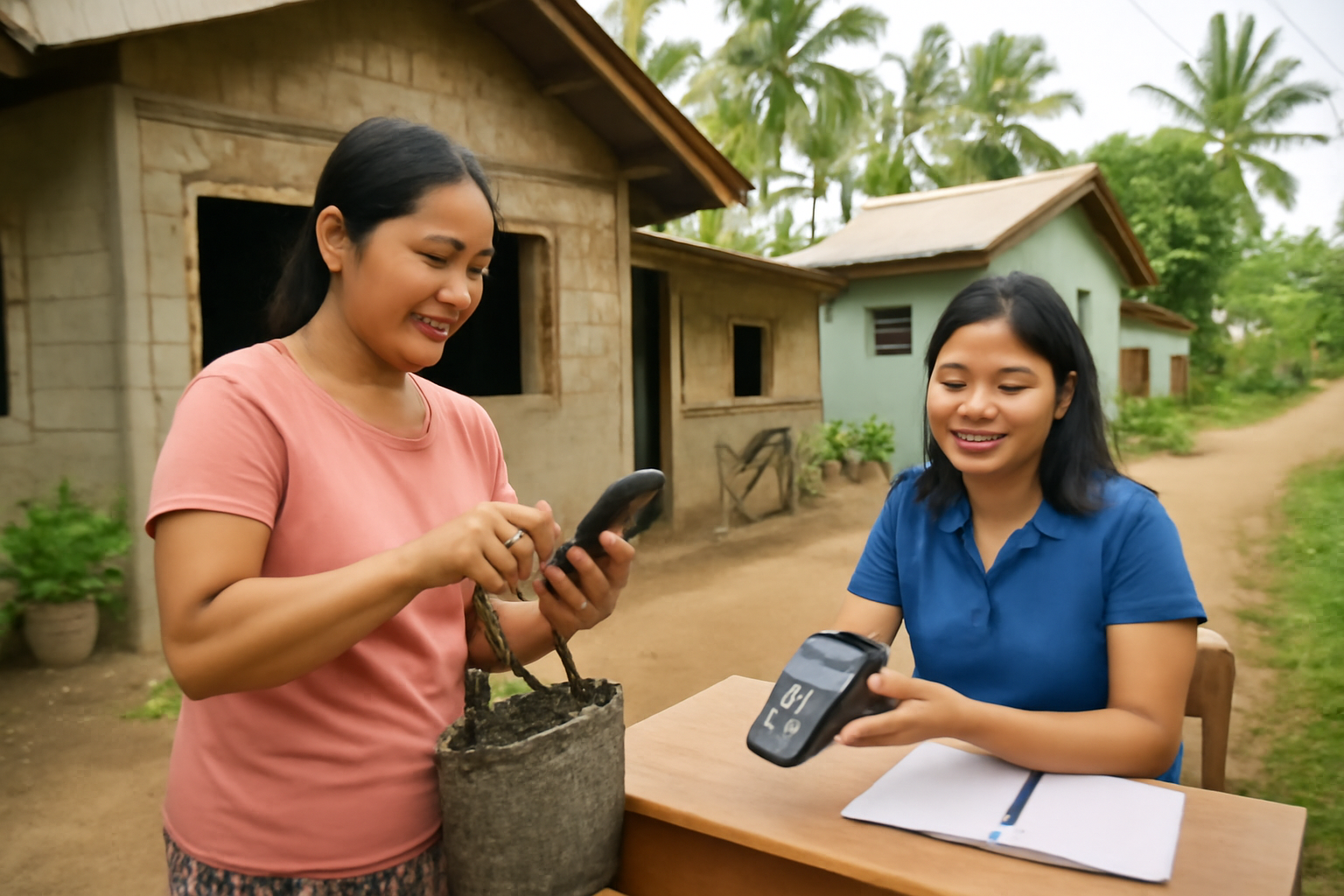
As the Philippines increasingly moves towards a digital economy, investment in technology-related sectors like fintech, e-commerce, and digital payment systems is becoming more attractive. With improved internet infrastructure and a growing middle class, digital startups and online businesses are poised to thrive.
Investment Challenges
- Political and Regulatory Environment
Political instability and regulatory risks present ongoing challenges for investors in the Philippines. Changes in government policies, taxation rules, and business regulations can create an uncertain investment environment. Additionally, corruption and red tape may hinder smooth business operations. - Inflation and Currency Volatility
Rising inflation and fluctuating exchange rates can erode investment returns in the Philippines. Investors should be mindful of the potential impact of inflation on purchasing power and the risks associated with the volatility of the Philippine Peso. - Natural Disaster Risks
The Philippines is frequently affected by natural disasters such as typhoons, earthquakes, and volcanic eruptions. These risks can disrupt business operations, damage infrastructure, and impact overall economic stability. Investors must be prepared for the potential consequences of these events. - Limited Market Liquidity
Smaller or emerging companies in the Philippines may suffer from limited liquidity, making it challenging for investors to enter or exit positions easily. Low liquidity can also lead to market volatility, particularly in less liquid stocks. - Infrastructure Deficiencies
Although the Philippine government is investing heavily in infrastructure, there remain significant gaps in areas like transportation and utilities. Inadequate infrastructure can hinder business operations, increase costs, and limit investment opportunities in certain regions.
Conclusion
The Philippines offers significant investment potential across various sectors such as real estate, finance, and digital technology. The country’s strong economic growth, expanding middle class, and government initiatives create a favorable environment for investors. However, challenges such as political risks, inflation, and natural disasters need to be carefully considered. By understanding both the opportunities and the risks, investors can navigate the Philippine financial market effectively and capitalize on its growth potential.