

The adoption of blockchain technology has the potential to reshape the financial landscape of the Philippines. As the banking sector seeks ways to enhance security, reduce costs, and expand access to financial services, blockchain offers a promising solution. By leveraging this technology, Philippine banks can address a wide range of challenges, including fraud prevention, financial inclusion, and the efficiency of cross-border payments.
At the heart of blockchain technology is its ability to provide secure, transparent, and immutable transactions. Traditional banking systems often rely on centralized databases that are vulnerable to cyberattacks and fraud. Blockchain, however, operates on a decentralized network, meaning that transaction data is distributed across multiple nodes, making it difficult for unauthorized parties to alter or tamper with the information. Each transaction is cryptographically secured, providing a higher level of trust and security for both financial institutions and customers. This is particularly important in the Philippines, where cybersecurity risks continue to grow as digital banking services expand.
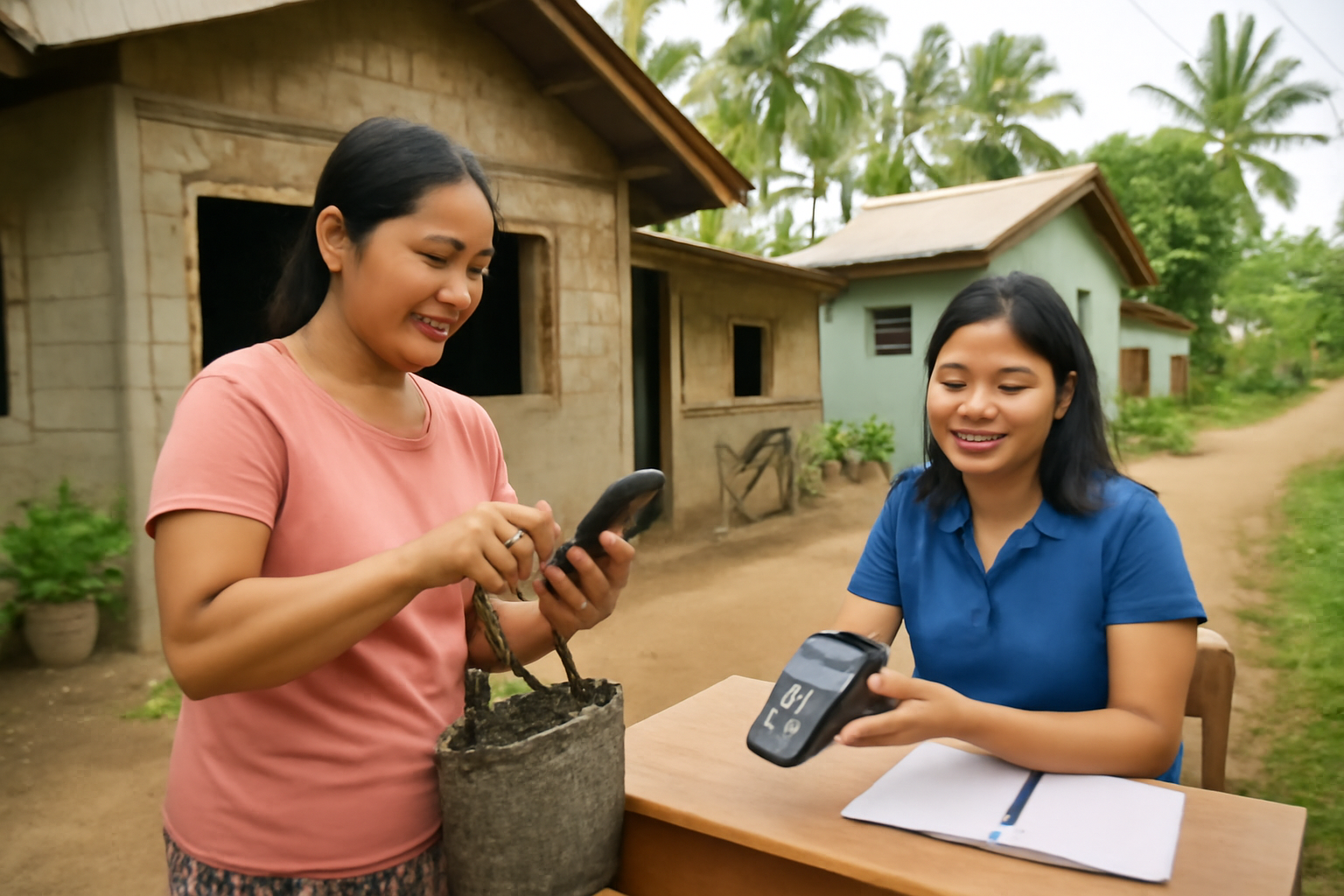
One of the most promising aspects of blockchain in the Philippine banking sector is its potential to improve financial inclusion. Despite the Philippines’ growing economy, many Filipinos still lack access to basic financial services. This is particularly true for those living in rural areas, where physical banking infrastructure is limited. Blockchain enables the creation of decentralized financial systems that allow individuals to access banking services via mobile phones. By using blockchain-based platforms, unbanked populations can send and receive money, access loans, and manage savings, all without needing to visit a physical bank. This can help bridge the gap between the unbanked and the formal financial system, offering a more inclusive approach to banking.
Blockchain also promises to enhance the efficiency of cross-border payments, a key area for the Philippine economy. The Philippines is one of the largest recipients of remittances, with millions of overseas Filipino workers (OFWs) sending money back home. Traditional remittance services often involve high fees, slow processing times, and limited transparency. Blockchain-based remittance platforms, however, can significantly reduce these inefficiencies. By utilizing decentralized networks and smart contracts, blockchain can facilitate instant, low-cost transfers across borders, benefiting both senders and recipients.
In addition to remittances, blockchain has the potential to streamline domestic payments within the Philippines. Traditional payment systems often involve multiple intermediaries, leading to delays and added costs. Blockchain’s decentralized nature eliminates the need for these intermediaries, allowing for faster and cheaper transactions. This increased efficiency could greatly benefit businesses and consumers by making payments more convenient and cost-effective.
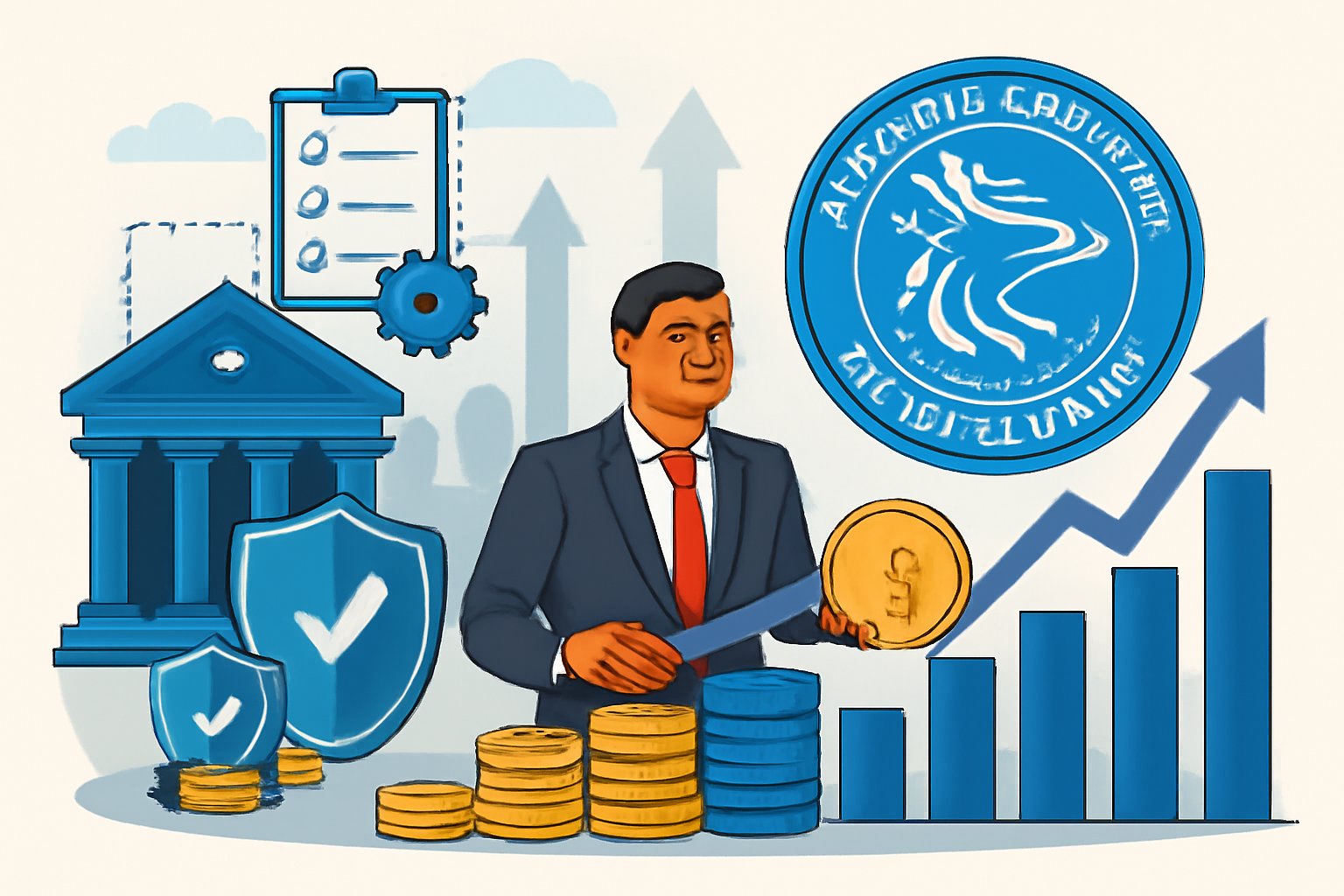
The role of the Bangko Sentral ng Pilipinas (BSP) in supporting blockchain adoption is crucial to its success in the country’s banking sector. The BSP has implemented regulatory frameworks that provide clear guidelines for the use of blockchain in financial services. These regulations ensure the safe and secure use of blockchain technology while fostering innovation in the fintech sector. The BSP’s proactive stance has helped create a supportive environment for blockchain adoption, attracting investment and encouraging financial institutions to explore its potential.
As blockchain technology continues to evolve, its impact on the Philippine banking sector is expected to grow. By improving security, increasing financial inclusion, and enhancing the efficiency of payments, blockchain holds the potential to revolutionize the way financial services are delivered in the Philippines. As the technology matures and regulatory frameworks evolve, blockchain is set to play an increasingly important role in shaping the future of the country’s banking system.