

The Philippines has become a beacon for digital payment innovation in Southeast Asia, with the growth of mobile wallets and online payment systems enabling millions of Filipinos to access financial services like never before. The government, fintech companies, and financial institutions have collaborated to create an environment where digital payments can thrive, making financial inclusion a reality for those previously excluded from the formal financial system.
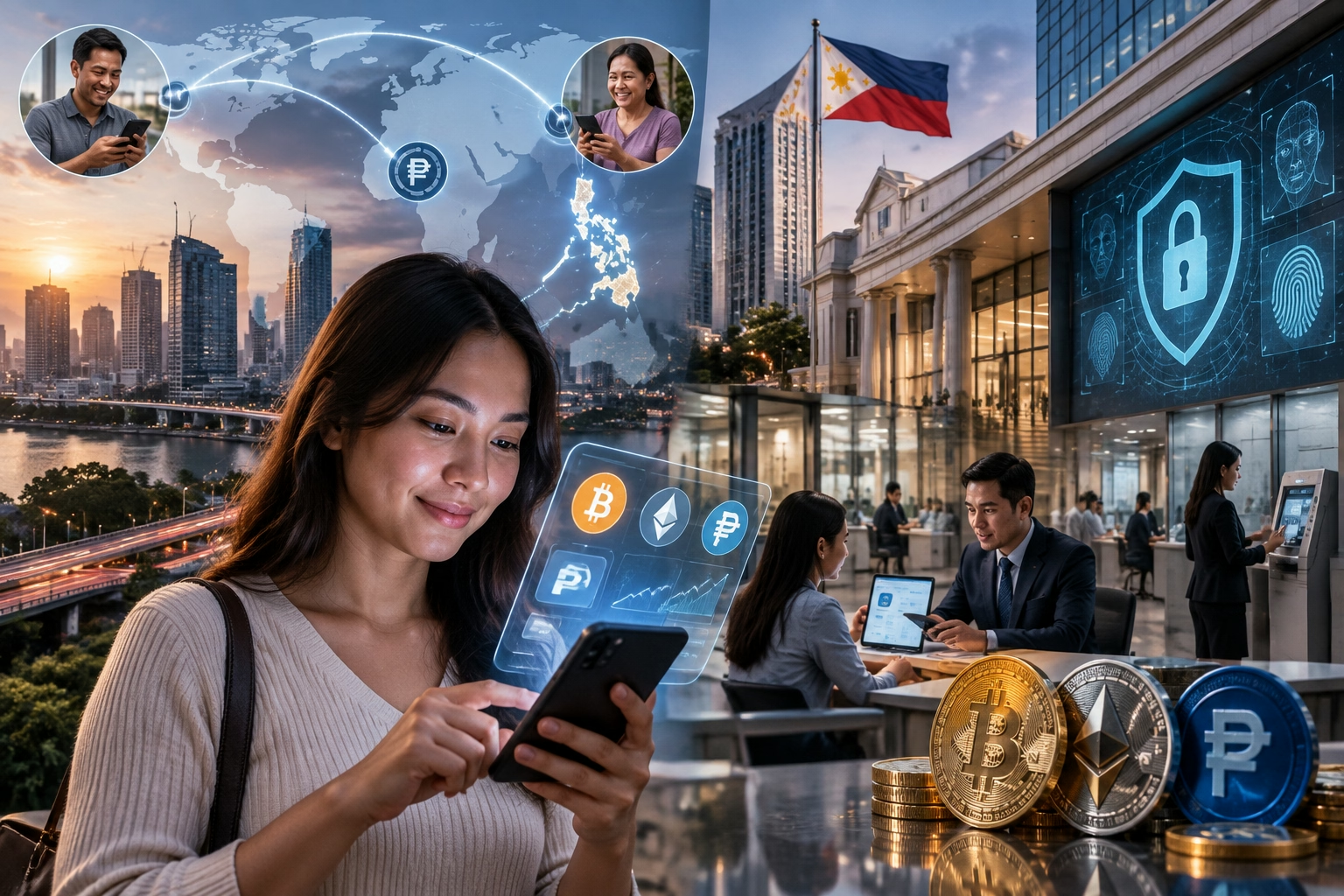
The rise of digital payment platforms such as GCash, PayMaya, and others has been a game-changer, providing an accessible and cost-effective alternative to traditional banking. This is particularly important in a country like the Philippines, where a significant portion of the population has historically been unbanked or underbanked. By leveraging mobile phones and internet access, digital payment systems allow individuals to perform a wide range of financial activities—from paying for goods and services to saving money and transferring funds across long distances.
For individuals in rural and remote areas, the shift to digital payments has been transformative. Instead of having to travel to distant banks or remittance centers, they can now conduct financial transactions from the palm of their hands. This not only saves time and money but also increases the overall efficiency of the financial system, making it easier for people to participate in the economy.
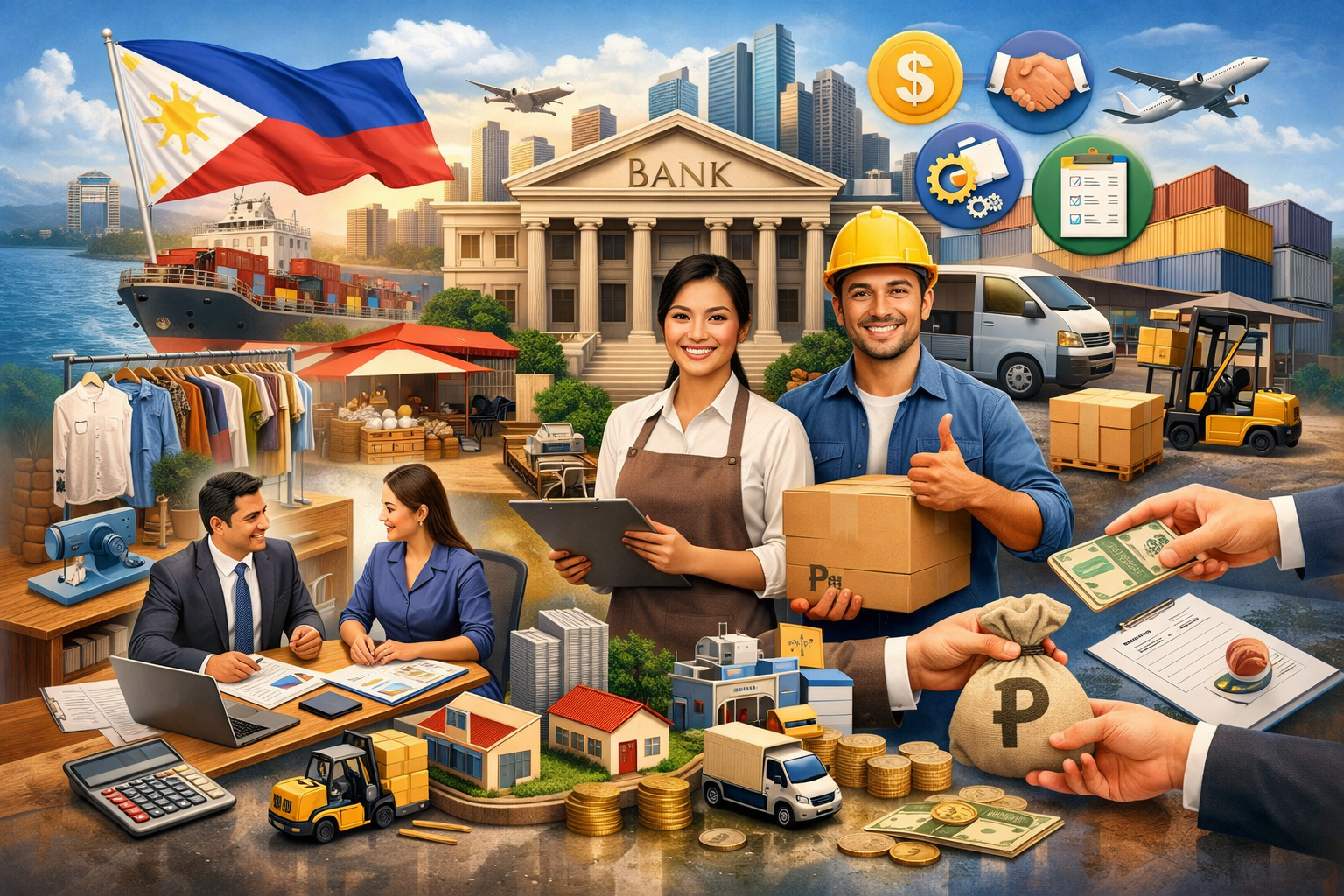
Digital payments have also empowered small and medium-sized businesses (SMBs) in the Philippines. Many entrepreneurs, who once relied on cash transactions, can now accept payments through mobile wallets or QR codes. This creates more opportunities for growth, as businesses are able to reach new customers and streamline their operations. Additionally, the transparency and security of digital transactions help reduce fraud and financial risks, further promoting trust in the system.
The COVID-19 pandemic played a pivotal role in accelerating the adoption of digital payments, as people sought safer, contactless methods for everyday transactions. The shift to online shopping, bill payments, and digital remittances helped demonstrate the importance of digital financial services in maintaining economic stability during uncertain times.
As digital payments continue to evolve, the Philippines is positioning itself as a leader in financial inclusion. With ongoing government initiatives, improved infrastructure, and a growing digital-savvy population, the country is on track to build a more inclusive, accessible, and secure financial ecosystem for all.