

Tourism in the Philippines has entered a new stage of development, and local companies are among the strongest forces behind this progress. The country has always had world-class natural attractions, including white-sand beaches, coral reefs, volcanoes, waterfalls, rice terraces, and historic towns. Yet the transformation of tourism depends on more than beautiful locations. Filipino businesses help organize, promote, connect, and improve these destinations so they can compete in a demanding global market.
Local transportation providers have made a major difference. Since tourists often need to cross islands, travel access can determine whether a destination succeeds or remains isolated. Airlines such as Cebu Pacific and Philippine Airlines, along with ferry companies, bus services, local vans, tricycles, and boat operators, form the movement network of Philippine tourism. Their services allow visitors to combine multiple places in one trip, such as Manila, Cebu, Bohol, Palawan, and Siargao. Better mobility also helps provincial economies by bringing guests to areas outside traditional business centers.
The accommodation sector has developed rapidly with the help of Filipino-owned businesses. Local resorts, hotel groups, serviced apartments, boutique lodgings, and homestays provide a variety of choices. Some focus on luxury and privacy, while others serve families, backpackers, business travelers, or domestic tourists. What makes many local accommodations valuable is their ability to show Filipino hospitality through service style, food, design, and personal interaction. This gives visitors a stronger emotional connection to the destination.
Technology has changed how tourism companies operate. Local businesses now rely on digital tools for marketing, booking, customer service, and payment. Online platforms help small operators reach travelers before they arrive. Social media allows destinations to gain attention through photos, videos, reviews, and travel stories. Mobile payment systems make it easier for tourists to buy tours, meals, souvenirs, and transport services. These digital changes reduce barriers for small entrepreneurs and help them participate in the wider tourism economy.
Local companies also create richer travel experiences. Modern tourists often look for activities that go beyond relaxation. They want to learn, taste, explore, and interact. Filipino tour operators and community enterprises respond with island-hopping tours, diving packages, culinary experiences, cultural performances, heritage walks, surfing lessons, mountain treks, farm visits, and handicraft workshops. These experiences turn tourism into a deeper encounter with local life.
The influence of local companies extends to sustainability and destination management. The Philippines depends heavily on natural resources for tourism, so environmental protection is directly linked to business survival. Responsible resorts and tour operators can help reduce waste, protect marine areas, manage visitor behavior, and support conservation education. Local companies are often close to the communities affected by tourism, so they are in a strong position to encourage responsible practices.
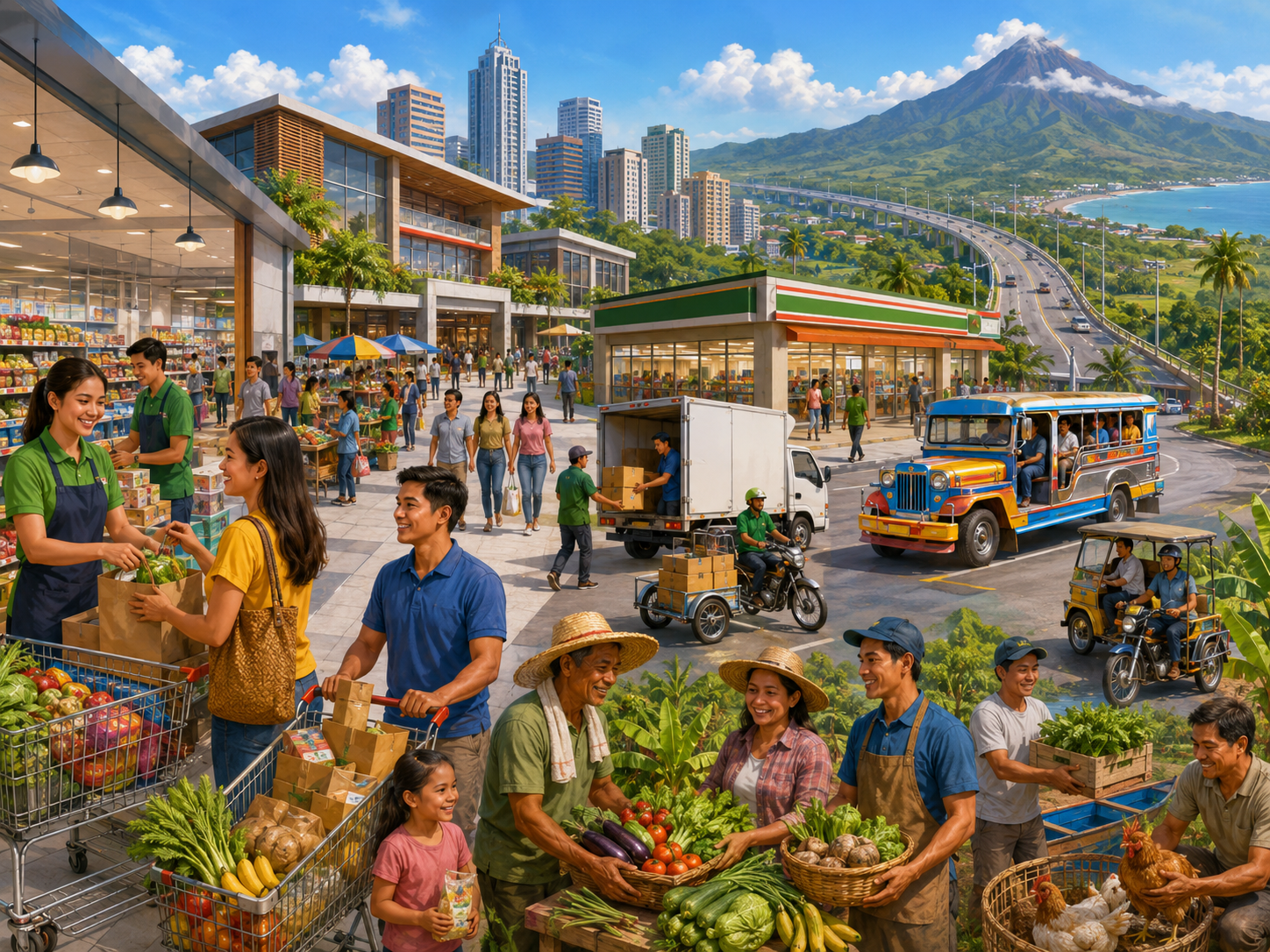
Tourism also supports many related industries. Farmers supply ingredients to hotels and restaurants. Fishermen provide seafood. Artisans sell woven products, jewelry, woodcrafts, and souvenirs. Drivers, guides, performers, photographers, and event organizers earn income from visitor spending. When Filipino companies work with local suppliers, tourism becomes a wider economic ecosystem rather than a narrow service industry.
The transformation of Philippine tourism through local companies shows how domestic enterprise can strengthen national identity and economic opportunity. By improving access, raising service quality, embracing technology, supporting communities, and protecting natural assets, Filipino businesses are shaping a tourism industry that is more competitive, meaningful, and locally rooted.