
For decades, the Philippine logistics sector has been characterized by a paradox: vibrant consumption weighed down by self-inflicted inefficiencies. Port congestion, unpredictable truck bans in Manila, and the high cost of moving goods through the Visayas and Mindanao often stifled growth. However, the narrative in 2026 is shifting from merely identifying problems to deploying data-driven and infrastructural solutions that target the root causes of expensive logistics.
Diagnosing the Chronic Pains
The country’s geography creates inherent friction, but policy friction has been equally damaging. The patchwork of truck ban ordinances across Metro Manila’s 16 cities forced operators to navigate a labyrinth of time windows, often idling for hours and wasting fuel. Coupled with a truck shortage and port yard congestion during peak season, importers frequently paid demurrage fees that inflated the cost of goods. The World Bank’s 2025 Logistics Performance Index (LPI), released in early 2026, indicated that while the Philippines’ score improved in infrastructure, timeliness remains a key challenge.
Digital Solutions for Physical Bottlenecks
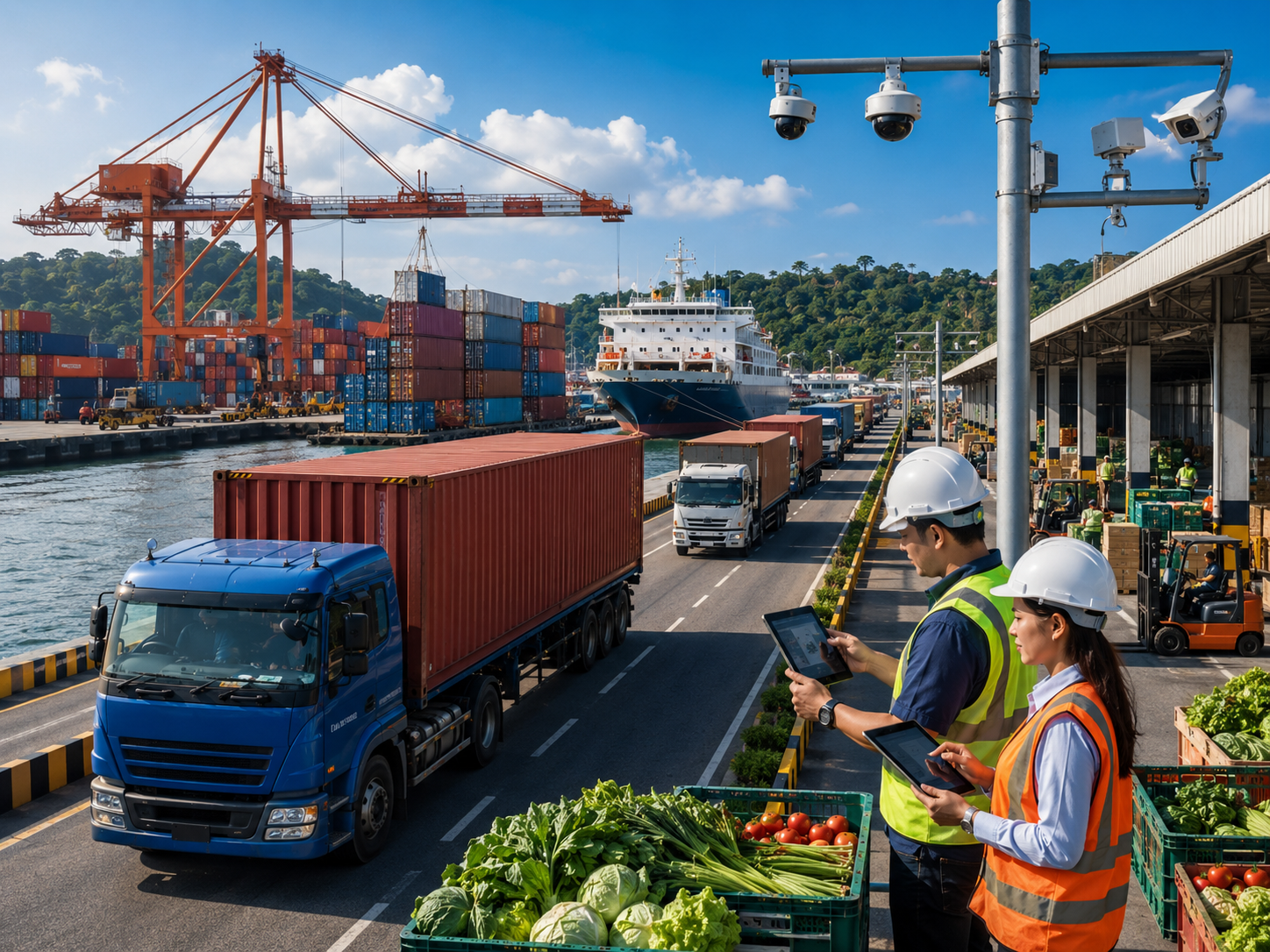
A pivotal fix has been the introduction of the Terminal Appointment Booking System (TABS) across major ports. By requiring trucks to secure a specific window for container pick-up or drop-off, the system has dramatically reduced the chaotic queues that once spilled onto city streets. This simple layer of digital scheduling, enforced by the Philippine Ports Authority, is a prime example of how software can unlock physical capacity without pouring new concrete. Simultaneously, the Department of Transportation has championed a logistics corridor monitoring system that uses ANPR (automatic number plate recognition) cameras to monitor truck flow and enforce uniform curfew rules for freight vehicles across Metro Manila, effectively harmonizing the balkanized truck-ban policy.
Resilience and the Supply Chain of the Future
The pivot toward smart supply chains also involves enhancing resilience against the country’s frequent natural disasters. Using predictive analytics, logistics firms are now integrating weather routing algorithms that automatically reroute cargo ferries away from brewing tropical storms, preventing stock-outs in disaster-prone regions. This technology shift aligns with the modernization of warehousing, where multi-use “flex” spaces in Pampanga and Laguna can switch from dry storage to cold chain allocation based on real-time agricultural harvest data.
The Economic Ripple Effect
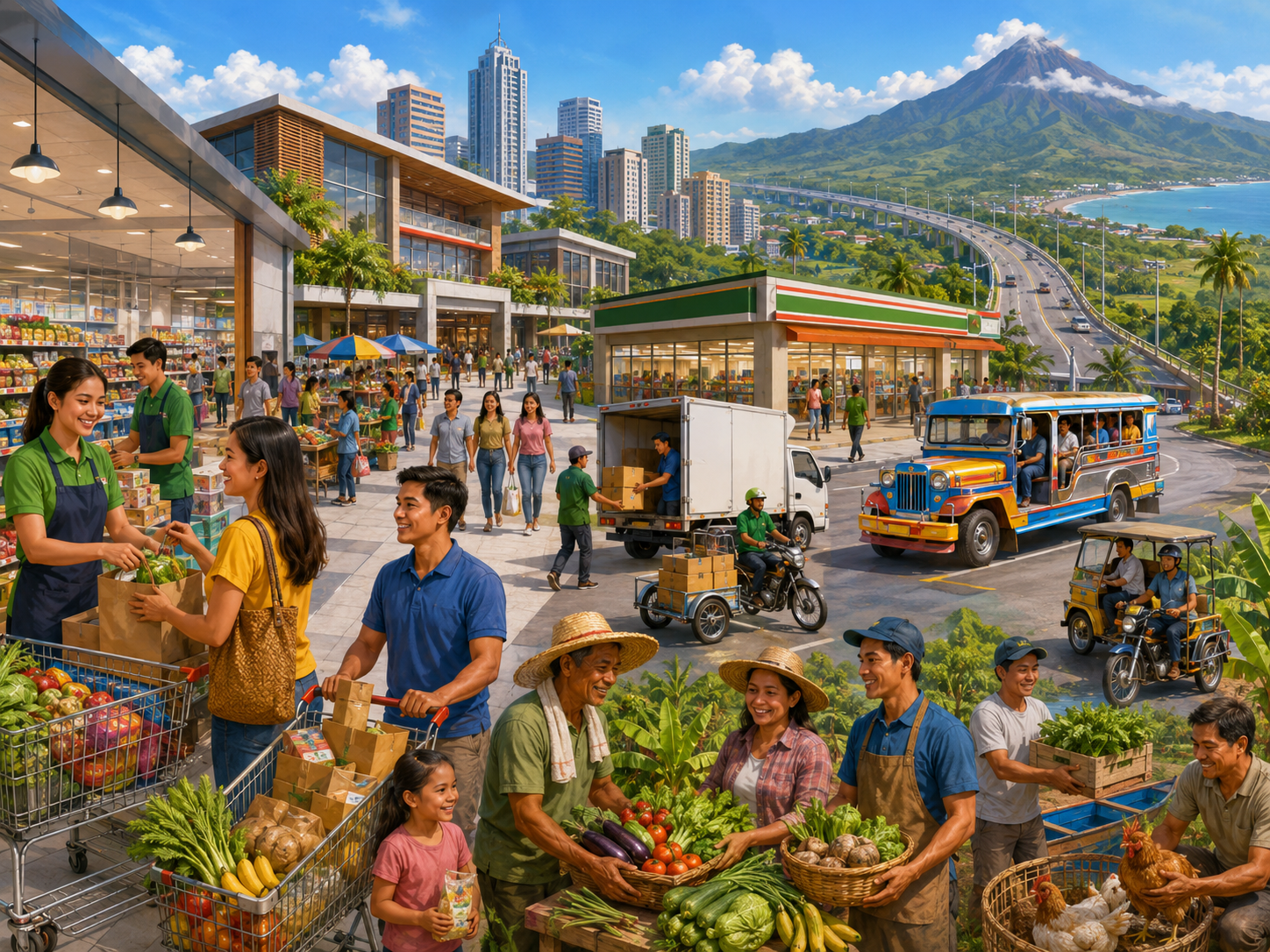
The move from manual, congested systems to smart, scheduled corridors is gradually peeling away layers of logistical waste. As costs begin to ease, the effect ripples out to Filipino consumers and farmers. Fresh vegetables from the highlands of Benguet can now reach Visayan markets with less spoilage, and imported raw materials for manufacturing arrive on factory floors with greater predictability. The journey from port congestion to a smart logistics future is far from complete, but 2026 stands as the year the Philippine transport sector collectively decided that data, not just diesel, would drive the nation’s commerce forward.