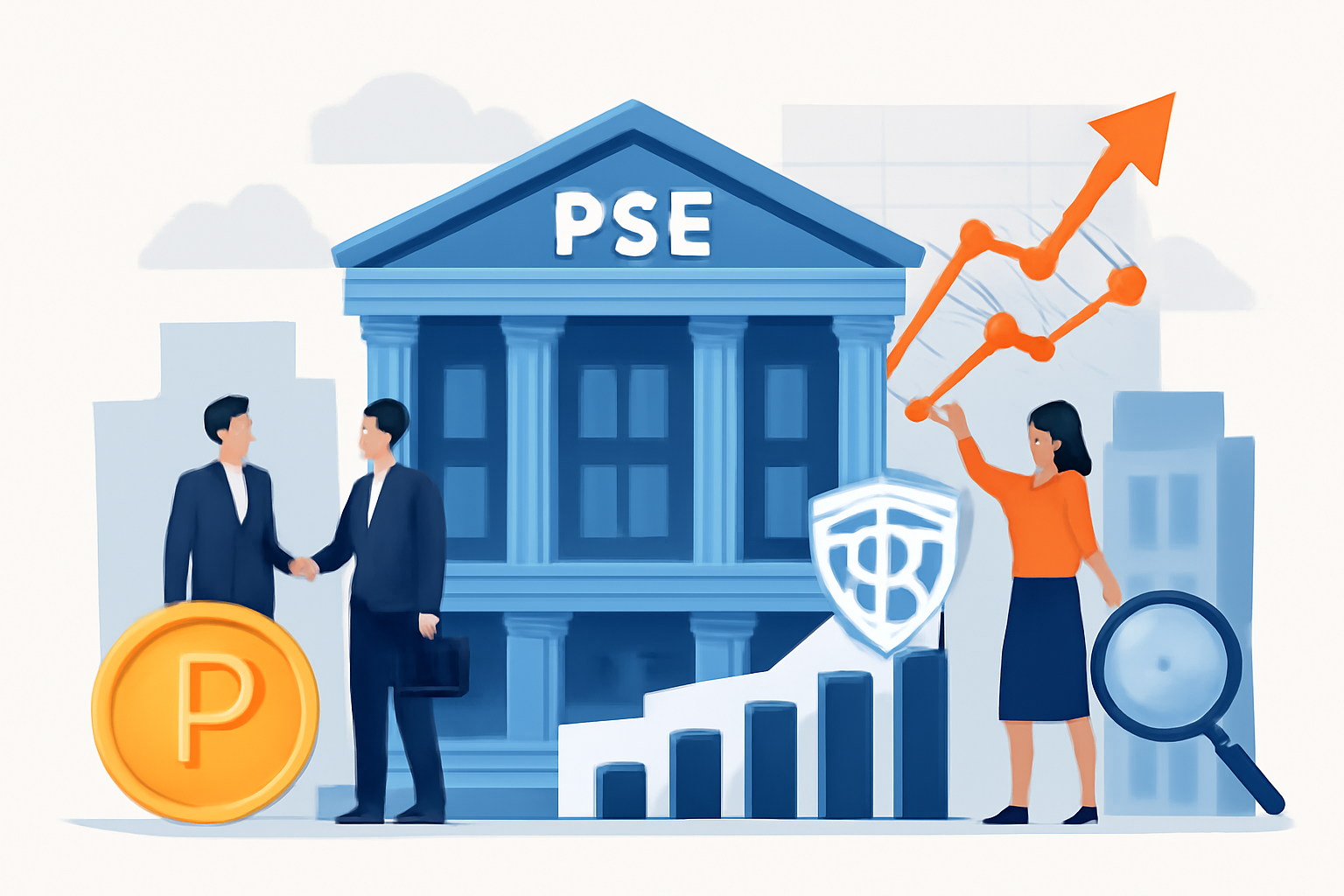


The Philippine stock market has witnessed significant changes in recent years, transitioning from a smaller, less liquid market to one of the most attractive in Southeast Asia. The Philippine Stock Exchange (PSE) has become an essential venue for raising capital and has gained substantial attention from both local and international investors. This article takes an in-depth look at the current trends, key drivers, and future potential of the Philippine stock market.
Emerging Trends in the Market
The rise in retail investor participation has been one of the most significant trends in the Philippine stock market. The availability of online trading platforms and low-cost investment options has made it easier for Filipinos to enter the market. Retail investors now account for a substantial portion of the daily trading volume, contributing to increased liquidity and market depth.
The importance of ESG factors is also growing in the Philippine market. Investors are increasingly looking for companies that are committed to sustainable practices, and those that meet these expectations tend to see higher demand for their shares. This shift is particularly notable among younger investors who prioritize social responsibility.
Economic Factors Driving Growth
The Philippines’ robust economic performance has been a major contributor to the success of its stock market. The country’s young, tech-savvy population and growing middle class have created a favorable environment for businesses, driving corporate profits and, by extension, stock prices. Additionally, the Philippines’ strategic location in Southeast Asia has attracted significant foreign investment.
Government reforms, including tax reductions and deregulation, have also played a critical role in the market’s expansion. These reforms have made it easier for businesses to operate and for investors to engage in the market, thus creating a more attractive environment for both domestic and foreign capital.
Challenges and Opportunities for the Future
Despite its growth, the Philippine stock market faces challenges, particularly from external economic factors such as global recessions and trade disruptions. Additionally, while digital platforms have democratized access to the market, issues such as cybersecurity and the regulation of new financial technologies remain concerns.
However, these challenges also present opportunities for growth. As the country continues to embrace digital transformation, the stock market is likely to become more accessible, enabling even more investors to participate. Moreover, ongoing government reforms will likely continue to make the market more attractive to foreign capital.
Conclusion
The Philippine stock market has experienced substantial growth and evolution in recent years, driven by trends like retail investor participation and ESG investing. While challenges remain, the market’s future prospects are strong, with continued growth expected as the Philippine economy continues to expand and the digital transformation of financial services gathers pace.