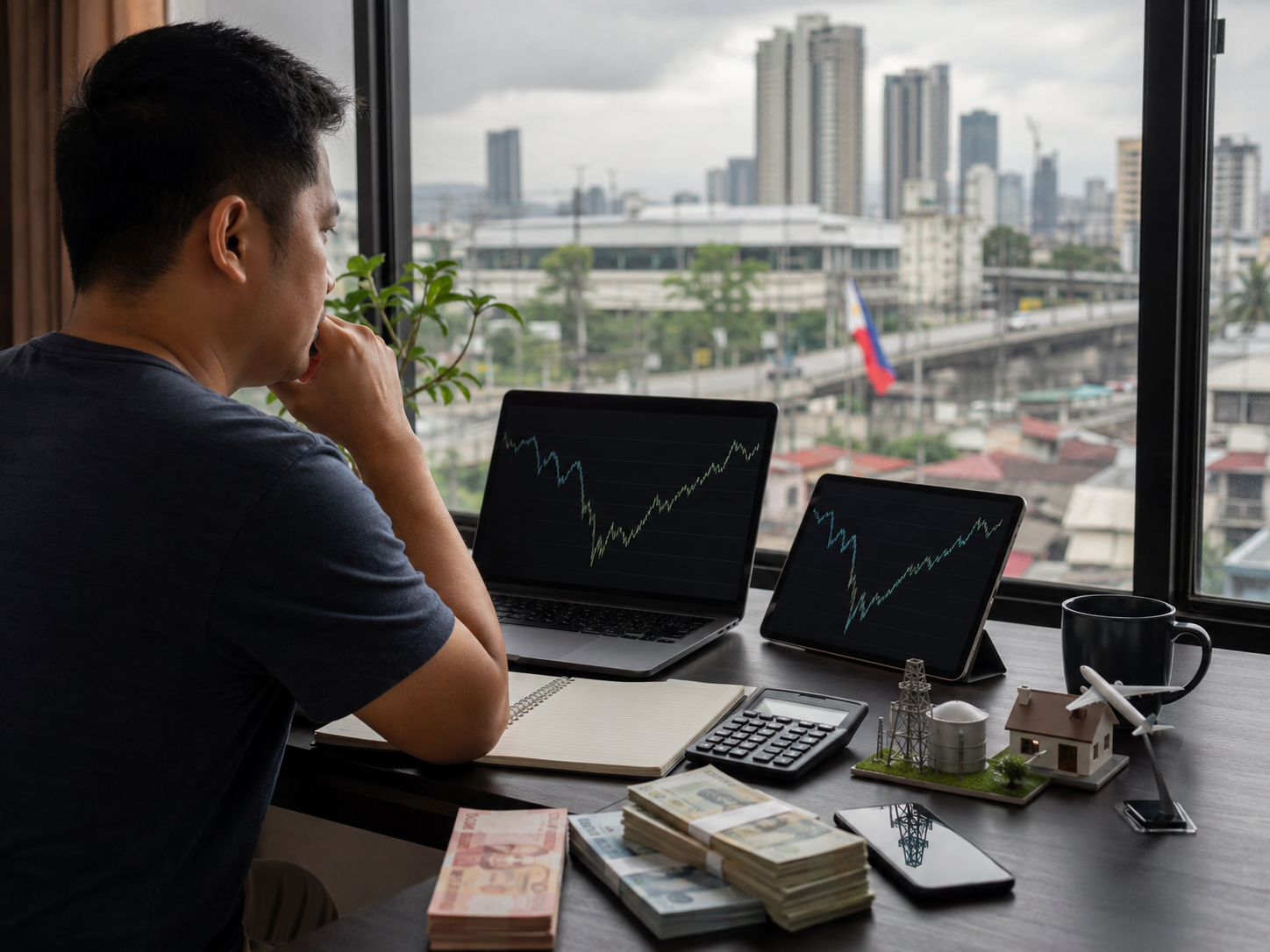


The Philippines has become an attractive market for investors, thanks in part to the government’s continuous efforts to regulate and oversee the stock market. With policies focused on protecting investors, encouraging economic development, and ensuring transparency, the Philippine government has crafted a regulatory environment that benefits both local and international participants. Understanding these policies is crucial for anyone looking to invest in the country’s growing market.
The Securities and Exchange Commission (SEC) serves as the central regulatory authority in the Philippines, overseeing securities markets, enforcing laws, and ensuring that publicly listed companies comply with strict disclosure and governance standards. The SEC’s role is paramount in establishing a level playing field, where companies are required to release accurate and timely financial statements. This transparency helps investors make informed decisions based on the financial health and prospects of the companies they invest in.
Another important entity in regulating the Philippine stock market is the Philippine Stock Exchange (PSE), which governs the buying and selling of securities. The PSE sets the rules for trading and listing companies, ensuring that only those who meet certain criteria can go public. It is also responsible for monitoring trading activity to prevent illegal practices such as insider trading or market manipulation. The PSE’s role in maintaining fair market conditions is crucial in preserving investor confidence.
A key area of focus for the Philippine government is investor protection. The government enforces laws to guard against fraudulent activities and unethical practices in the stock market. Insider trading, for example, is prohibited under Philippine law. Those found guilty of using non-public information for financial gain can face severe penalties, including hefty fines and imprisonment. This strict enforcement of insider trading laws helps to maintain market fairness, which is essential for encouraging both local and foreign investors to participate.
In recent years, the Philippine government has made significant efforts to attract foreign investors to the stock market. One of the main steps in this direction has been the relaxation of foreign ownership restrictions in listed companies. By allowing foreign investors to own a greater percentage of shares in public companies, the government aims to increase the inflow of capital, enhance market liquidity, and improve the overall competitiveness of the stock market. These reforms have contributed to a more vibrant and diverse market that offers greater opportunities for both local and international investors.
To further encourage investment, the Philippine government has introduced tax incentives and exemptions. For instance, capital gains taxes on certain types of investments, such as shares in specific industries, are reduced or eliminated. These tax breaks make the Philippine market even more appealing to investors, as they can maximize their returns and contribute to the country’s long-term growth. Additionally, tax incentives for long-term investors help stabilize the market by reducing speculative behavior and promoting more sustainable investment strategies.
The Philippine government also recognizes that financial literacy plays a significant role in fostering an informed and responsible investor base. To this end, the SEC and other financial institutions regularly organize financial education programs, seminars, and workshops to educate the public on investment strategies, risk management, and the workings of the stock market. Such initiatives are designed to ensure that Filipinos are better equipped to make sound financial decisions, reducing the risk of poor investment choices and scams.
Beyond regulatory frameworks, the government’s broader economic policies are also designed to create a favorable business environment. Investment in infrastructure, such as improved transportation and digital services, helps reduce operational costs for businesses and creates a more efficient market. Additionally, the government’s commitment to reducing red tape and fighting corruption further enhances the attractiveness of the Philippines as a destination for investment.
In conclusion, the Philippine government’s regulatory policies have shaped a well-balanced investment environment, ensuring that the stock market remains transparent, fair, and accessible. Through efforts to protect investors, attract foreign capital, and enhance financial literacy, the government is working to make the Philippines a more competitive and sustainable investment hub. As the market continues to grow, these policies will play a crucial role in supporting long-term economic development and creating opportunities for investors from around the world.