

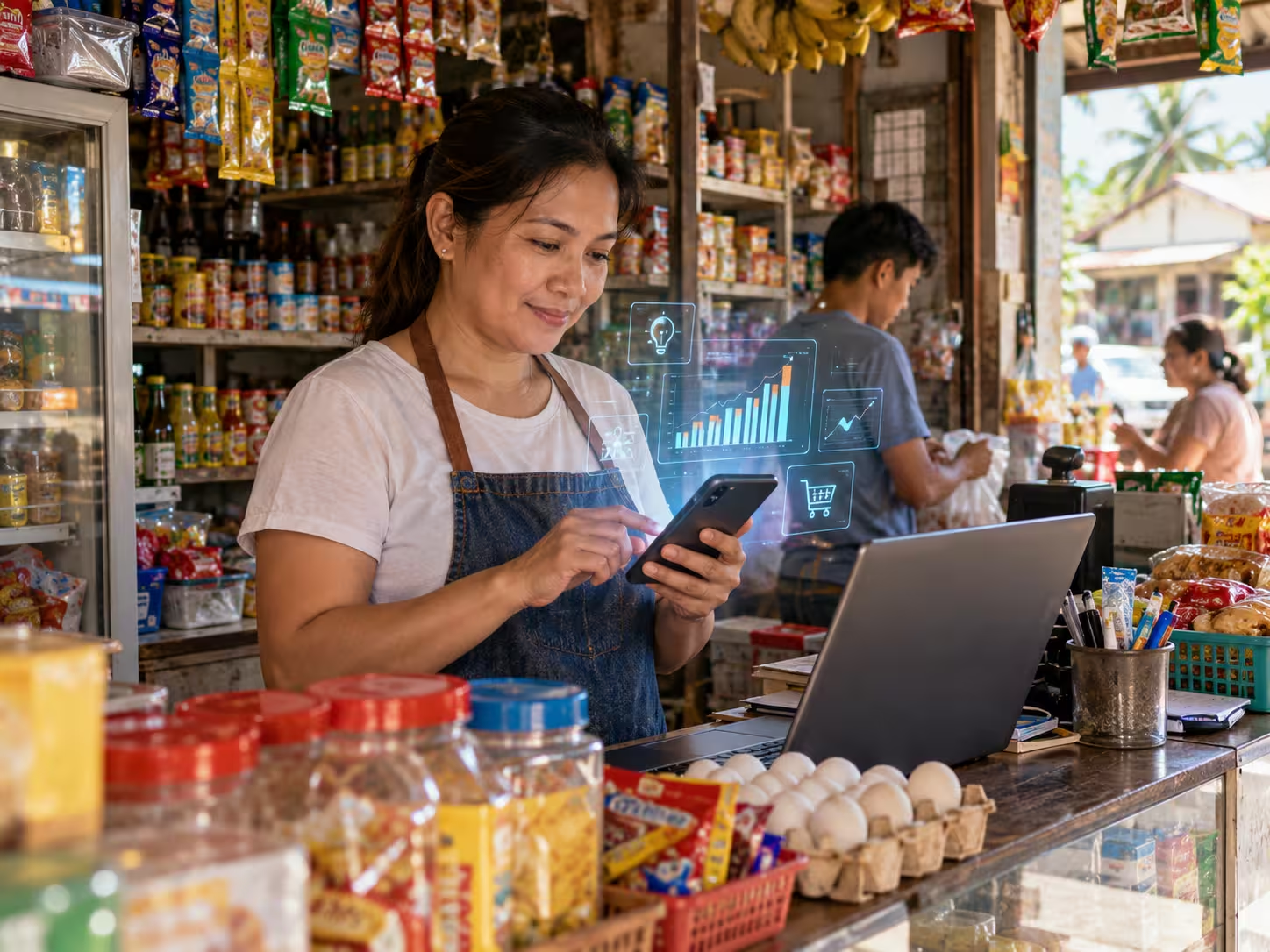
The Shift from Manual Marketing to AI-Powered Sales
For years, Filipino MSMEs have relied on word-of-mouth, physical signage, and basic social media posts to attract customers. While these methods remain valuable, AI is introducing new capabilities that allow small businesses to compete more effectively in the digital marketplace.
The adoption of AI for sales and marketing is accelerating. LinkedIn data from 2026 shows that the share of Philippine SMBs with AI engineering skills grew by more than 70% year over year, while AI literacy skill additions more than doubled. This reflects a growing recognition that AI capabilities are becoming essential for business growth.
Content Creation at Scale with Generative AI
One of the most accessible applications of AI for MSMEs is content generation. Tools like Google’s Gemini, including the Nano Banana image generation feature and the Lyria music model, allow small businesses to create professional-grade visual and audio content without specialized skills.
Google Philippines has actively supported this adoption through initiatives like the Gemini Academy for Mompreneurs, now in its second year, which trains Filipino entrepreneur mothers to use AI tools for their businesses.
At the government level, the DICT’s KaClick tool performs a similar function for MSMEs without access to commercial AI platforms. KaClick generates social media posts and online marketplace listings, helping businesses maintain a consistent digital presence even without dedicated marketing staff.
Optimizing for Online Marketplaces
The Philippines has one of the most active e-commerce markets in Southeast Asia, and AI is helping MSMEs optimize their presence on platforms like Shopee and Lazada. AI tools can generate product descriptions, suggest pricing based on competitive analysis, and identify optimal posting times for maximum visibility.
DTI Secretary Ramon Lopez has predicted that 100,000 MSMEs will engage in e-commerce in the coming years, noting that over 30,000 sari-sari stores at the barangay level already have capabilities for e-wallet loading and fund transfers. This digital infrastructure, combined with AI-powered marketing tools, creates a powerful foundation for MSME sales growth.
Customer Targeting and Personalization
Beyond content creation, AI is enabling more sophisticated customer targeting. AI-powered analytics can identify which customer segments are most likely to purchase specific products, when they are most likely to buy, and what messaging resonates with them.
For a small food business in Mindanao, for example, AI could analyze social media engagement data to determine that working mothers in the local area respond best to promotional content posted in the early evening, featuring bundled product offerings. This level of insight, previously available only to large corporations with dedicated marketing teams, is now accessible to MSMEs through affordable AI tools.
Real Impact: From Accessories to Revenue
The experiences of Filipino mompreneurs illustrate this potential. Princess Alvarez, founder of ISLA Everything Accessories, has demonstrated how AI can bridge creativity and business management, while Jenielyn Sicabalo-Nieva of MP Nieva’s has integrated AI into her operations to scale her homegrown business.
The common thread across these success stories is the strategic use of AI to amplify human creativity and effort, rather than replace it. Filipino entrepreneurs are not handing over their businesses to algorithms—they are using AI to handle the routine, repetitive, and time-consuming aspects of sales and marketing so they can focus on what they do best: building relationships with customers and growing their enterprises.