
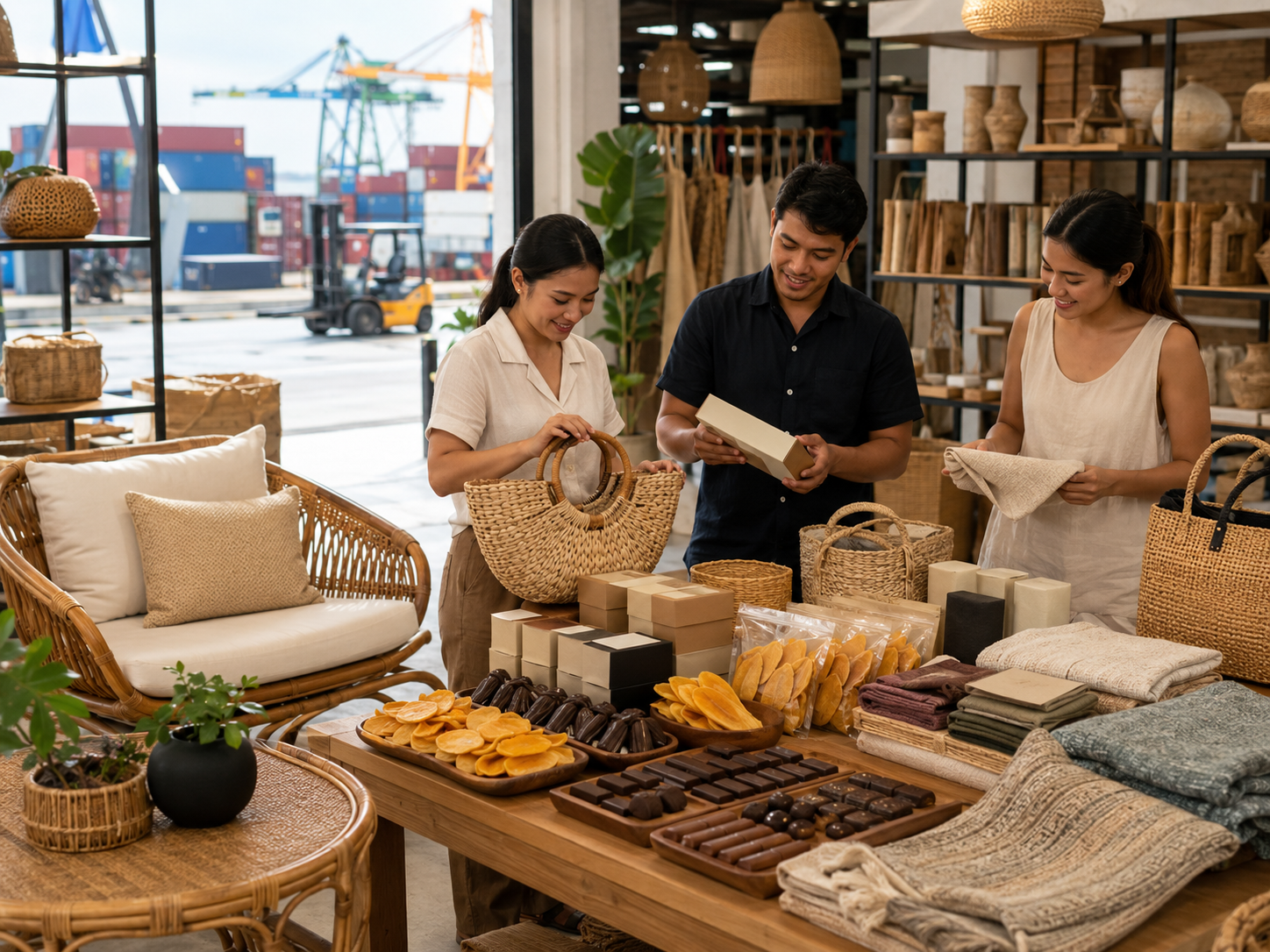
The success of Filipino entrepreneurs in exporting local products shows how national resources can become international business opportunities. The Philippines has rich agricultural products, skilled artisans, natural materials, and a strong creative culture. However, these advantages become more powerful when entrepreneurs develop them into market-ready brands that can satisfy global buyers. Export growth happens when local identity is combined with business discipline.
In the furniture industry, Kenneth Cobonpue became one of the most recognized Filipino names connected with international design. His work is important because it elevated materials often linked with traditional crafts. By using rattan, bamboo, abaca, and other natural fibers in modern furniture, he helped prove that Philippine-made products could compete in high-end markets. His brand succeeded not by hiding its Filipino roots, but by presenting them in a refined and contemporary way.
A different but equally important model can be seen in Rags2Riches, co-founded by Reese Fernandez-Ruiz. The business turns textile waste and scrap fabric into lifestyle products made by local artisans. Its international appeal comes from the combination of beauty, function, and social mission. In many export markets, consumers are increasingly interested in products that are environmentally responsible and ethically produced. Rags2Riches used this demand to highlight Filipino skill while also supporting livelihood opportunities.
Food processing is another area where Filipino entrepreneurs have expanded exports. Dried mangoes are one of the best examples of how a local fruit can become a globally familiar product. Companies such as Profood International, led by Justin Uy, helped strengthen the presence of Philippine fruit products abroad. Their success depended on more than the quality of the mango itself. It required technology, packaging, food safety compliance, and the ability to supply buyers consistently.
The chocolate industry also shows how entrepreneurs can add value to agricultural resources. Instead of exporting cacao only as a raw commodity, brands such as Auro Chocolate have helped present Philippine cacao as a premium ingredient. By creating finished chocolate products, entrepreneurs can earn higher margins and give farmers a stronger connection to the final market. This also improves the international reputation of Philippine agriculture.
What connects these examples is the ability to move beyond basic selling. Successful Filipino exporters understand that global customers compare products from many countries. To win attention, a product needs a clear identity. It must answer important questions: What makes it different? Why should buyers trust it? What story does it carry? Products that combine quality with cultural meaning often have a stronger chance of standing out.
These entrepreneurs also show that export readiness requires long-term preparation. Businesses must improve production systems, study foreign regulations, attend trade events, build buyer confidence, and adapt to changing consumer preferences. Even small improvements in packaging, labeling, durability, or product presentation can make a major difference in export performance.
The achievements of Filipino entrepreneurs in furniture, fashion, food, and chocolate provide useful lessons for future exporters. Local products can succeed internationally when they are developed with creativity, consistency, and strategic branding. Their success strengthens the country’s image and proves that Philippine-made goods can earn respect on global shelves.