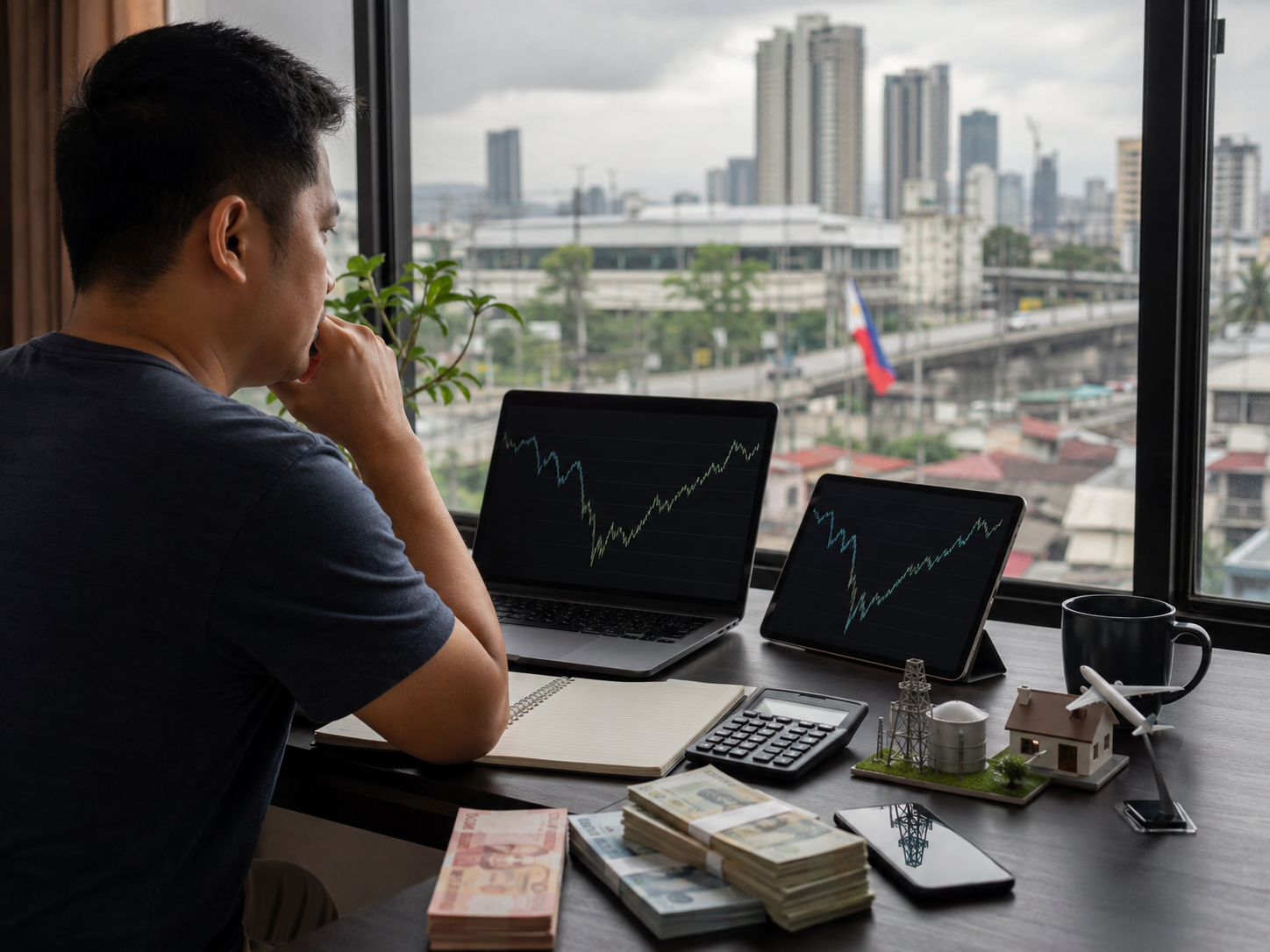


Retail investors are often described as a secondary force on national stock exchanges, but the Philippine market tells a different story. In 2026, local retail investors have become a primary driver of liquidity, a decisive factor in IPO subscription, and a meaningful influence on price discovery. Their growing share of daily turnover is reshaping how companies list and raise capital.
Measuring Retail’s Share of Daily Value Turnover
Official PSE data show that local retail investors have sustained a share of more than one-third of daily value turnover in many months since 2021, after peaking at 45.4 percent in 2020. The PSE market activity dashboard, accessed August 2026, provides the current breakdown. This level of retail participation reduces the market’s dependence on foreign institutional flows, which can reverse quickly during global risk events. Retail flows, by contrast, are often tied to domestic wage cycles, bonus seasons, and digital payment activity—making them more stable in local currency terms.
The IPO Subscription Game Changer
Retail investors have become critical to Philippine initial public offerings. Through PSE EASY, the online platform that allows direct retail subscription to IPOs, ordinary Filipinos can reserve shares without going through a broker. This has transformed IPO demand. Recent listings in 2025 and 2026 have seen substantial retail oversubscription, particularly for consumer brands and REITs. For issuers, a large retail order book is valuable because it broadens the shareholder base and increases post-listing liquidity. Investment banks now actively target retail investors in IPO roadshows, a practice that would have been unusual a decade ago.
Price Discovery and the Retail Edge
The Feedback Loop Between Consumer Behavior and Stock Prices
One interesting angle is that Filipino retail investors often have direct knowledge of consumer brands. A buyer of a listed food or retail company may also be a customer. This gives retail order flow a unique information quality—when a popular product gains traction, retail buying can reflect early consumer sentiment. Of course, this can also lead to overreaction. The resulting volatility is part of the price discovery process. Institutional investors now monitor retail activity more closely because it can signal shifts in consumer-facing sectors.
What This Means for Listed Companies and Future Listings
Companies listed on the PSE increasingly recognize that retail shareholders are not just passive holders. They engage through digital shareholder meetings, respond to online investor forums, and design investor relations campaigns in Taglish. For future IPOs, the retail demand base means more companies can list at reasonable valuations without relying solely on foreign funds. It also means that corporate governance and disclosure quality matter more, because a broader group of ordinary Filipinos now watches quarterly earnings closely.
The retail investor’s role is no longer limited to providing incremental volume. It is a structural force that influences listing activity, market liquidity, and even how companies communicate. That transformation is one of the most significant developments in the modern history of the Philippine Stock Exchange.