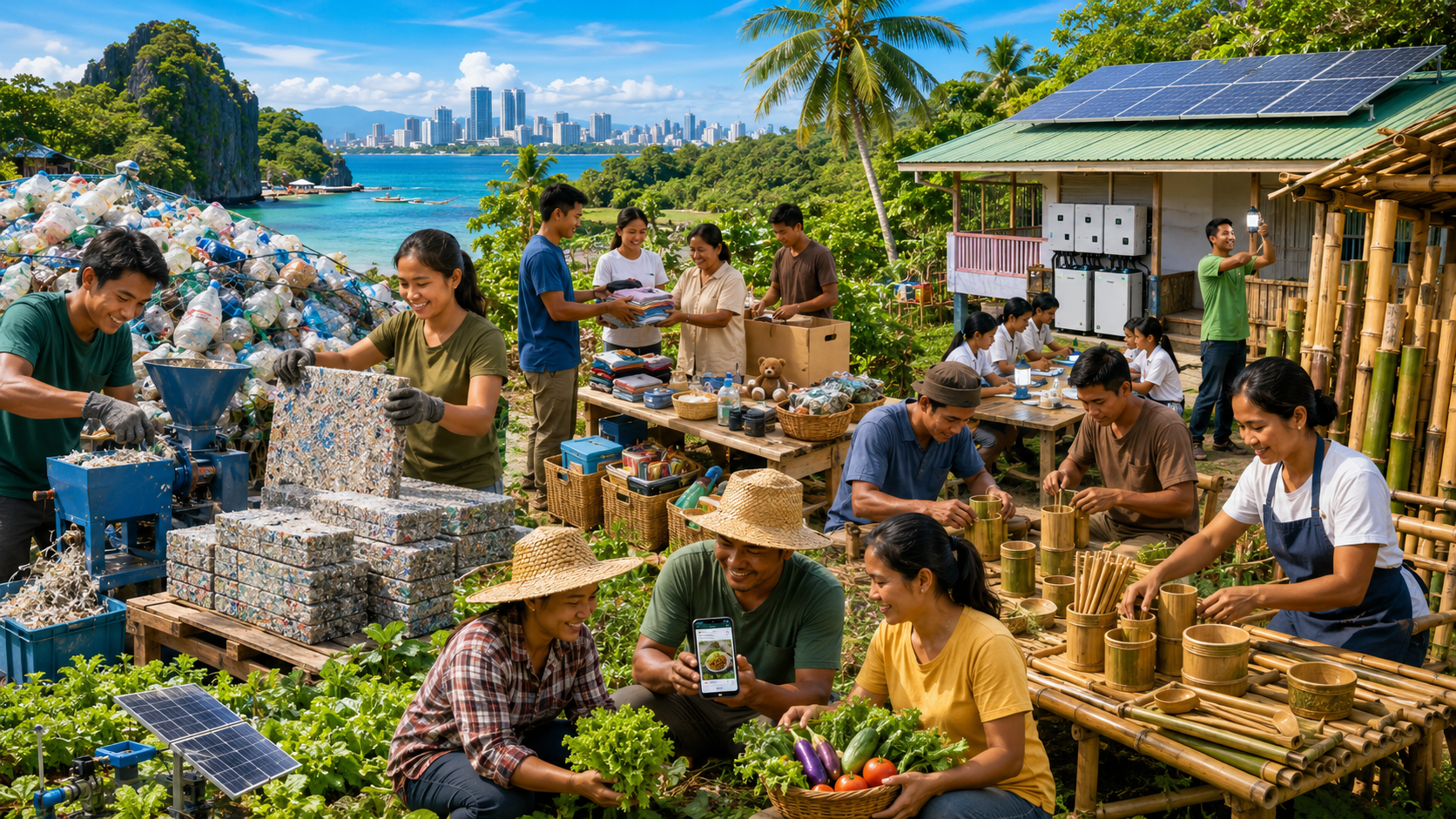


The Philippines has witnessed a tremendous surge in its startup ecosystem, with Manila and Cebu taking center stage as the country’s leading tech hubs. As Southeast Asia’s digital economy continues to grow, the country’s capital city and its second-largest metropolitan area are emerging as key destinations for tech entrepreneurs, investors, and professionals looking to make their mark in the rapidly evolving digital landscape.
Manila is home to the majority of the Philippines’ startups, offering a wealth of resources, talent, and opportunities for growth. The city’s infrastructure, which includes modern office spaces, advanced telecommunications, and a strong transportation network, provides a solid foundation for tech entrepreneurs looking to scale their businesses. Numerous coworking spaces and innovation hubs in the city also offer collaborative environments that encourage idea-sharing and business development.
The startup ecosystem in Manila is further supported by various government initiatives that aim to enhance the entrepreneurial climate. The Department of Information and Communications Technology (DICT) and the Department of Trade and Industry (DTI) have launched programs to help startups access funding, mentorship, and market opportunities. Additionally, Manila’s proximity to large corporations and investors increases the city’s attractiveness as a business hub.
Meanwhile, Cebu has gained recognition as an up-and-coming tech hub, known for its vibrant business outsourcing sector and lower operational costs compared to Manila. The city’s growing pool of tech talent, affordable lifestyle, and increasing availability of coworking spaces have contributed to the rise of Cebu as a destination for tech startups.
Cebu’s startup scene is further enhanced by its strategic location in the heart of the Philippines, with access to both local and international markets. The city’s established IT-BPO sector has also fostered a talent pool of professionals with expertise in areas such as software development, digital marketing, and customer service. These professionals are increasingly transitioning into the startup world, bringing their knowledge and skills to new ventures.
In terms of industries, fintech, e-commerce, health tech, and edtech have dominated the startup landscape in both cities. Fintech startups like PayMaya and Coins.ph are helping drive financial inclusion in the Philippines by offering mobile payment solutions to the country’s unbanked population. The e-commerce sector is also booming, with platforms such as Lazada and Shopee leading the way, while local startups are expanding into niche markets.
Health tech startups like MedGrocer and telemedicine services are addressing the country’s growing healthcare challenges, while edtech startups such as Edukasyon.ph are offering digital education solutions that make learning more accessible for Filipino students.
Both Manila and Cebu are benefiting from supportive government policies, a growing pool of talent, and a burgeoning venture capital industry that is fueling innovation and startup growth. As the digital economy in the Philippines continues to expand, these two cities are set to remain at the heart of the country’s startup revolution, offering entrepreneurs the resources and opportunities they need to thrive.