
Small and medium-sized enterprises (SMEs) are key players in shaping local infrastructure development in the Philippines. Their impact goes beyond traditional economic contributions, encompassing social, technical, and financial dimensions that collectively strengthen community facilities and services.
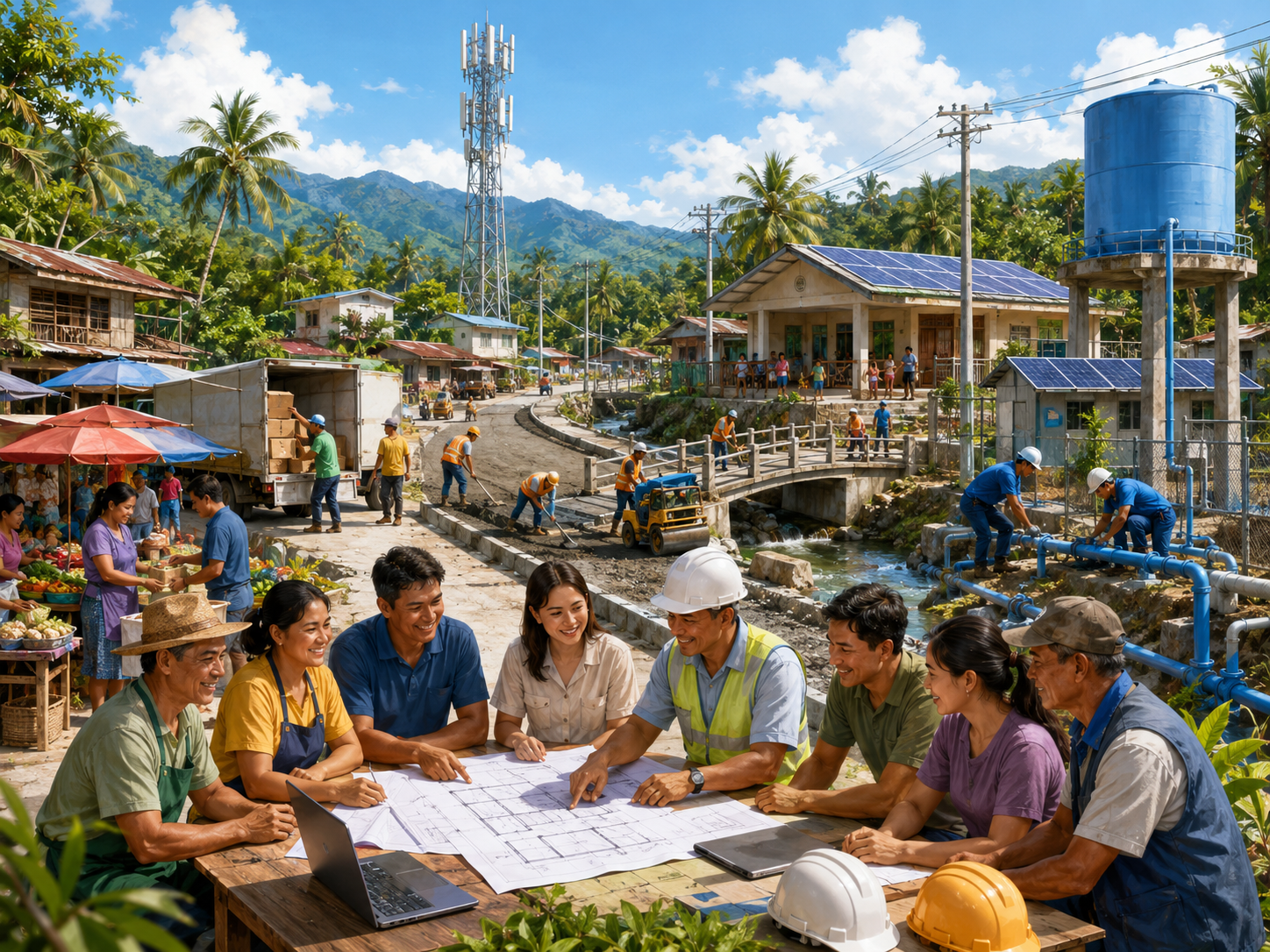
A primary channel through which SMEs influence infrastructure is collaboration with local governments. These partnerships can range from co-financing public projects to providing expertise for construction and utility upgrades. SMEs often target projects that are overlooked by larger corporations, such as rural roads, bridges, water systems, and community centers. Their flexible approach and local knowledge enable them to implement solutions tailored to specific environmental and social contexts.
SMEs also drive infrastructure indirectly by generating increased demand for essential services. Expanding businesses require reliable electricity, road access, water supply, and telecommunications. This demand encourages municipal authorities to prioritize local infrastructure improvements. For example, a small industrial cluster in a provincial city can stimulate the development of transportation networks, storage facilities, and logistics hubs, benefiting the wider community beyond the enterprise itself.
Innovation is another notable contribution of SMEs to local infrastructure. In resource-constrained areas, SMEs deploy inventive solutions such as compact energy projects, modular buildings, and sustainable water systems. These interventions allow communities to access infrastructure improvements that would otherwise be too expensive or logistically complex, demonstrating the adaptability and problem-solving capacity of small enterprises.
Financial involvement is equally significant. Many SMEs allocate resources to community projects through corporate social responsibility programs, funding school facilities, playgrounds, sanitation, and road repairs. These initiatives strengthen public infrastructure while fostering goodwill between businesses and local populations, creating a mutually beneficial ecosystem.
Finally, SMEs serve as crucial intermediaries between policy and practice. Their engagement in local planning ensures that infrastructure development aligns with actual community needs, promoting inclusivity and sustainability. By voicing the perspectives of residents and small business operators, SMEs help ensure that investments are relevant, efficient, and socially equitable.
In conclusion, SMEs in the Philippines contribute to local infrastructure development through partnerships, economic influence, innovative practices, financial support, and advocacy. Their multifaceted involvement enhances connectivity, quality of life, and resilience, positioning small businesses as indispensable agents of community growth.