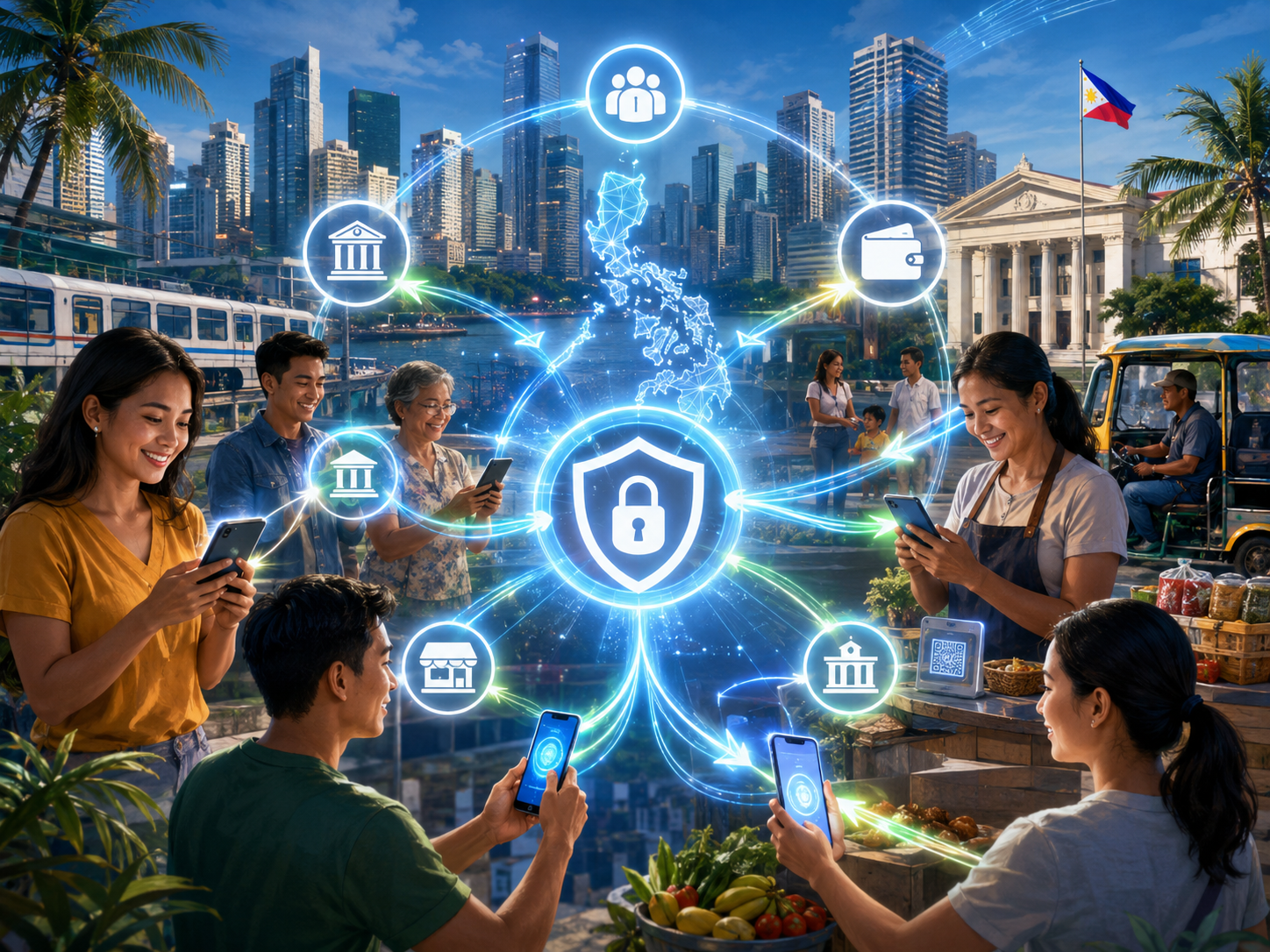


The rise of fintech in the Philippines marks a new era for digital finance, with more Filipinos turning to innovative technology to manage their financial lives. The country’s financial landscape is rapidly evolving, driven by mobile wallets, digital lending, and other fintech services that offer greater accessibility, convenience, and security.
The Philippines has one of the highest unbanked populations in Southeast Asia, which has long been a barrier to economic participation. However, fintech solutions are addressing this gap by providing affordable and accessible financial services to underserved communities. Mobile wallets like GCash and PayMaya have seen exponential growth, offering Filipinos the ability to make payments, send money, and access various financial services, all from their smartphones.
The BSP has played a crucial role in encouraging the growth of digital financial services. Through its Digital Payment Transformation Roadmap, the BSP aims to transition more Filipinos to using digital payment methods. This move is part of the government’s broader strategy to increase financial inclusion and enhance the security of digital financial transactions.
In addition to mobile payments, digital lending has become a significant part of the fintech landscape. Platforms like Tala are offering quick, small loans to individuals who lack access to traditional banking. These platforms are leveraging technology to assess creditworthiness based on alternative data, providing financial services to those who might otherwise be excluded from the formal banking system.
The future of fintech in the Philippines is promising. With an expanding internet infrastructure, increasing mobile phone penetration, and ongoing government support, fintech is poised to continue reshaping the country’s financial services sector. The future of digital finance in the Philippines will likely include even more innovative solutions, further enhancing financial inclusion and supporting economic growth.