
The Philippine insurance industry is positioned for continued expansion, largely because the country’s risk environment makes protection relevant and because digital finance has changed how people transact. Still, the gap between need and coverage remains substantial. Bridging that gap requires insurers to innovate along three dimensions at once: product relevance, distribution efficiency, and dependable claims experience.
Drivers shaping demand
Several structural factors support insurance growth. A large working-age population and an economy with growing services sectors increase the number of people who can pay for protection. Remittances from overseas workers also influence household financial planning, sometimes creating demand for life and accident coverage. At the same time, recurring natural disasters and health shocks keep risk highly visible. These conditions push the market toward solutions that offer quick relief and predictable benefits.
Innovation in product structure: modular, short-duration, and parametric
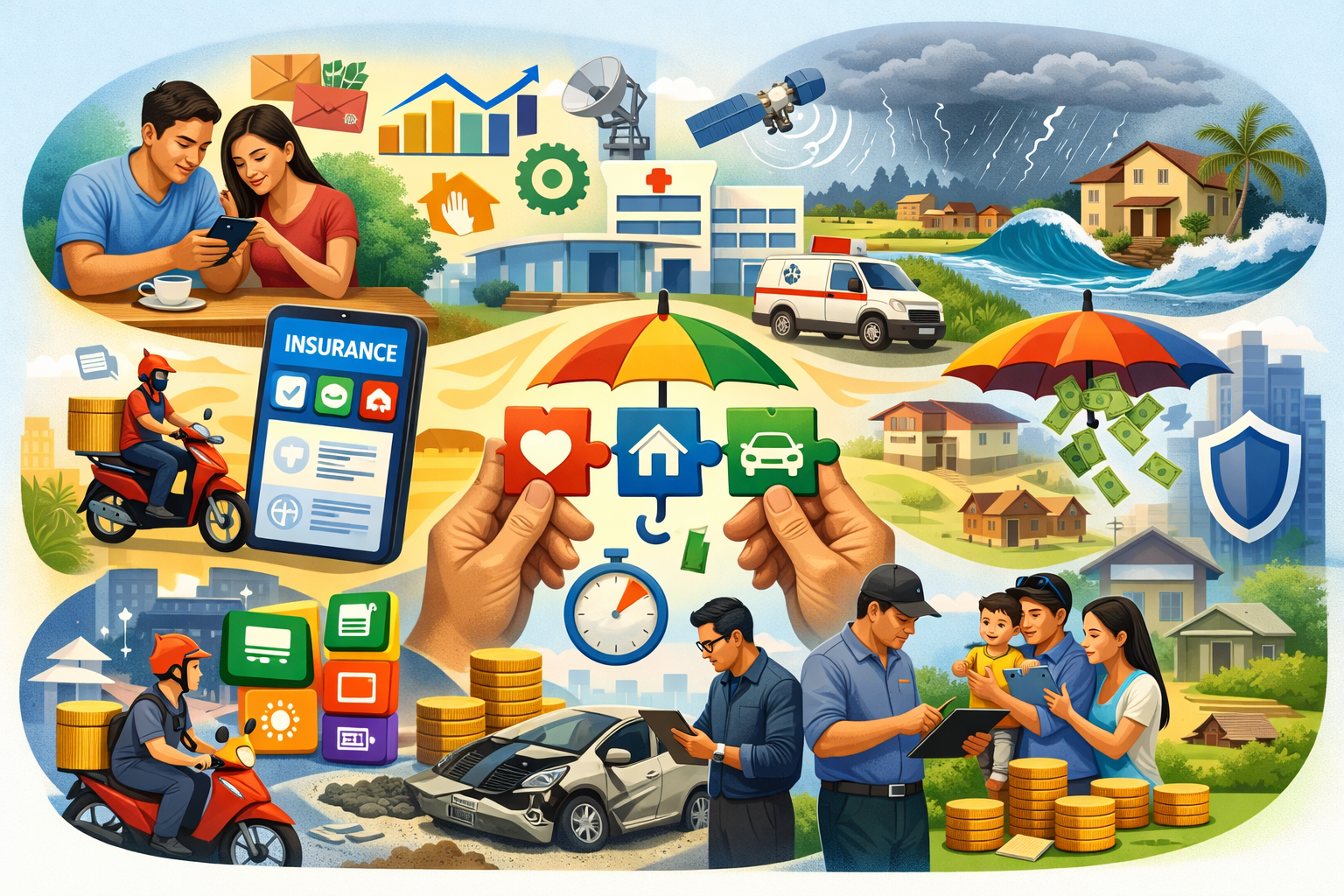
Insurers are moving beyond one-size-fits-all annual policies. Modular products let customers build coverage gradually—starting with basic life or accident protection, then adding hospitalization cash support or family riders. Short-duration coverage (weekly or monthly) can fit irregular income patterns and reduce the psychological barrier of long commitments. In disaster-prone regions, parametric insurance is gaining attention because it can release payments quickly when objective thresholds are met. For consumers, speed and simplicity may matter more than perfectly matching every peso of loss.
Distribution: leveraging mobile wallets and platform ecosystems
The Philippines’ digital finance boom has created new “insurance touchpoints.” E-wallets, e-commerce marketplaces, and gig platforms can offer coverage where users already spend time and money. This embedded approach can reduce customer acquisition cost, allowing insurers to profitably offer smaller-premium products. It also expands reach beyond Metro Manila into provinces where smartphone penetration may outpace physical bank branches. The challenge is ensuring that convenience doesn’t come at the cost of understanding; disclosures, benefit summaries, and customer support must be strong.
Operations and claims: the make-or-break factor
For first-time policyholders, claims experience defines insurance. Investments in straight-through processing, digital document collection, and automated verification can shorten settlement times. Remote assessment tools—photos, timestamps, geolocation—can speed up motor and property claims. Analytics can help route complex cases to human adjusters while fast-tracking straightforward ones. These improvements are not only operational; they directly influence renewal behavior and word-of-mouth adoption.
Managing risk in a catastrophe-exposed market
Innovation must be balanced with robust risk management. Climate change may increase the severity or frequency of certain events, affecting pricing and availability of property coverage. Reinsurance remains essential to protect insurer balance sheets after major catastrophes. Product design can also reduce concentration risk—for example, setting sensible limits, promoting risk-reducing behaviors, and using parametric structures that cap exposure while delivering rapid customer support.
Inclusion: affordability, literacy, and fairness
Expanding access depends on affordability, but also on insurance literacy and fair treatment. Simple language, local-language support, and clear examples of how benefits work can reduce confusion. Ethical use of customer data is crucial as digital underwriting grows. The most sustainable growth will come from insurers that combine low-friction digital journeys with strong consumer safeguards—making insurance feel like a reliable service, not a complicated contract.