
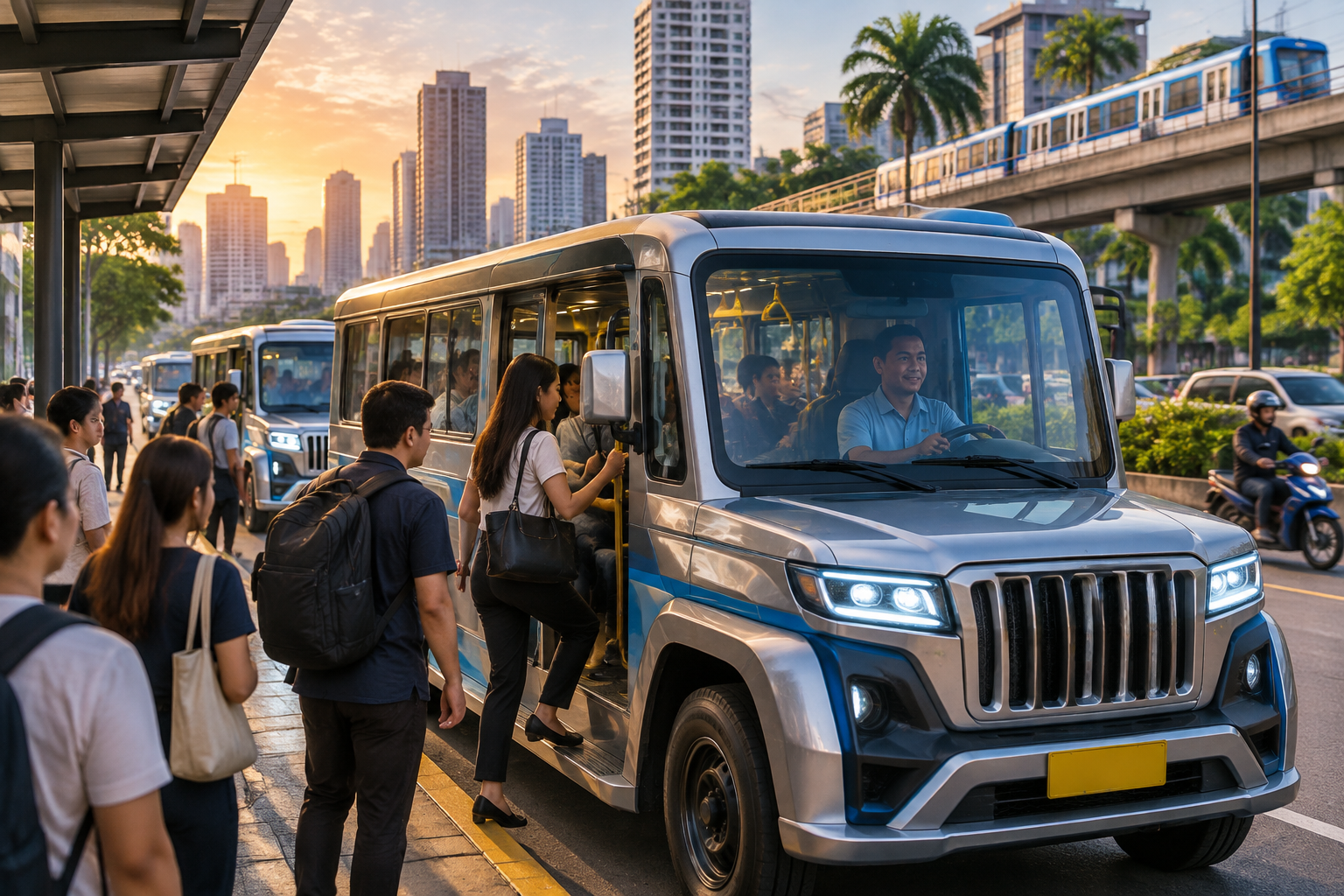
In 2026, the Philippine transport conversation often centers on jeepneys, rail projects, and ride-hailing platforms. Yet bus companies and interprovincial operators remain the circulatory system of the archipelago. They move millions of passengers weekly between Metro Manila, Baguio, Batangas, Bicol, the Visayas ports, and Mindanao. Their challenges—congested highways, aging terminals, volatile fuel prices, and fragmented regulations—offer a revealing lens into how transport firms cope when infrastructure lags behind mobility demand.
The Unsung Backbone of Philippine Mobility
Bus firms are not merely point-to-point carriers. They are logistical connectors that link islands through roll-on/roll-off (RoRo) routes, provincial terminals, and urban bus corridors. In 2026, companies such as Victory Liner, Genesis, and Philtranco continue to operate thousands of daily trips. Smaller regional operators serve routes that airlines and railways do not touch.
These firms absorb shocks that larger infrastructure projects cannot yet address. When a bridge closes or a typhoon disrupts a highway, bus operators reroute. When rail construction blocks roads, they adjust schedules. Their flexibility is both a strength and a symptom of systemic gaps.
Fleet Modernization and Safety Compliance
The Land Transportation Franchising and Regulatory Board (LTFRB) has tightened safety requirements for buses. GPS monitoring, dashcams, speed limiters, and periodic roadworthiness tests are now standard. In response, bus companies have accelerated fleet renewal, replacing units older than fifteen years with Euro-4 or Euro-5 compliant models.
Financing remains a hurdle. A new interprovincial bus can cost between ₱8 million and ₱15 million. Smaller operators often rely on bank loans with high collateral requirements. Larger firms, meanwhile, negotiate fleet deals directly with manufacturers, gaining cost advantages that widen the gap between market leaders and independents.
Digital Ticketing and Real-Time Tracking
Digital transformation is visible at the passenger level. Online booking platforms, QR-code tickets, and e-wallet payments have reduced terminal queues. Real-time tracking allows families to monitor arrivals. However, provincial terminals often lack reliable internet, forcing companies to maintain hybrid manual-digital systems.
Infrastructure Bottlenecks: Highways, Ports, and Terminals
Bus operators depend heavily on road quality. The North Luzon Expressway, South Luzon Expressway, and Pan-Philippine Highway carry the bulk of interprovincial traffic. Congestion in Metro Manila’s entry points—especially along EDSA and Commonwealth Avenue—delays departures and raises operating costs.
Ports add another layer of complexity. RoRo routes connecting Batangas to Mindoro, Romblon, and Palawan are vital, but port congestion and limited sailing schedules disrupt bus connections. According to the Department of Transportation’s 2026 infrastructure updates (https://dotr.gov.ph), flagship projects like the North-South Commuter Railway and Metro Manila Subway aim to reduce road pressure, but their benefits will not fully reach bus-dependent provinces for years.
Fuel Volatility and Airline Competition
Diesel price fluctuations directly affect fares. When global oil prices spike, bus companies face a choice: absorb costs or file for fare adjustments with the LTFRB. Both options carry political and consumer backlash.
Low-cost airlines also compete on long-haul routes. A Manila-to-Legazpi or Manila-to-Cebu flight can be cheaper and faster than a bus-and-ferry combination. In response, bus firms have introduced luxury coaches, sleeper buses, and onboard Wi-Fi to retain passengers who value comfort, luggage capacity, and terminal accessibility.
Driver Shortages and Labor Pressures
The industry faces a quiet labor crisis. Many experienced drivers are retiring, while younger workers gravitate toward ride-hailing or overseas employment. Licensing delays and strict medical requirements slow recruitment. Companies are investing in training academies and fatigue-management systems, but the pipeline remains thin.
Policy Support and Financing Gaps
Government programs offer some relief. The LTFRB’s route rationalization and the DOTr’s public transport modernization initiatives provide frameworks, but direct subsidies for bus operators are limited. Industry groups continue to lobby for fuel tax rebates, low-interest fleet loans, and terminal upgrading funds.
As 2026 unfolds, bus and interprovincial transport companies are not waiting for perfect infrastructure. They are digitizing operations, renewing fleets, and forging partnerships with local governments. Their resilience will shape whether millions of Filipinos can continue to move affordably, safely, and reliably across the country’s islands and provinces.