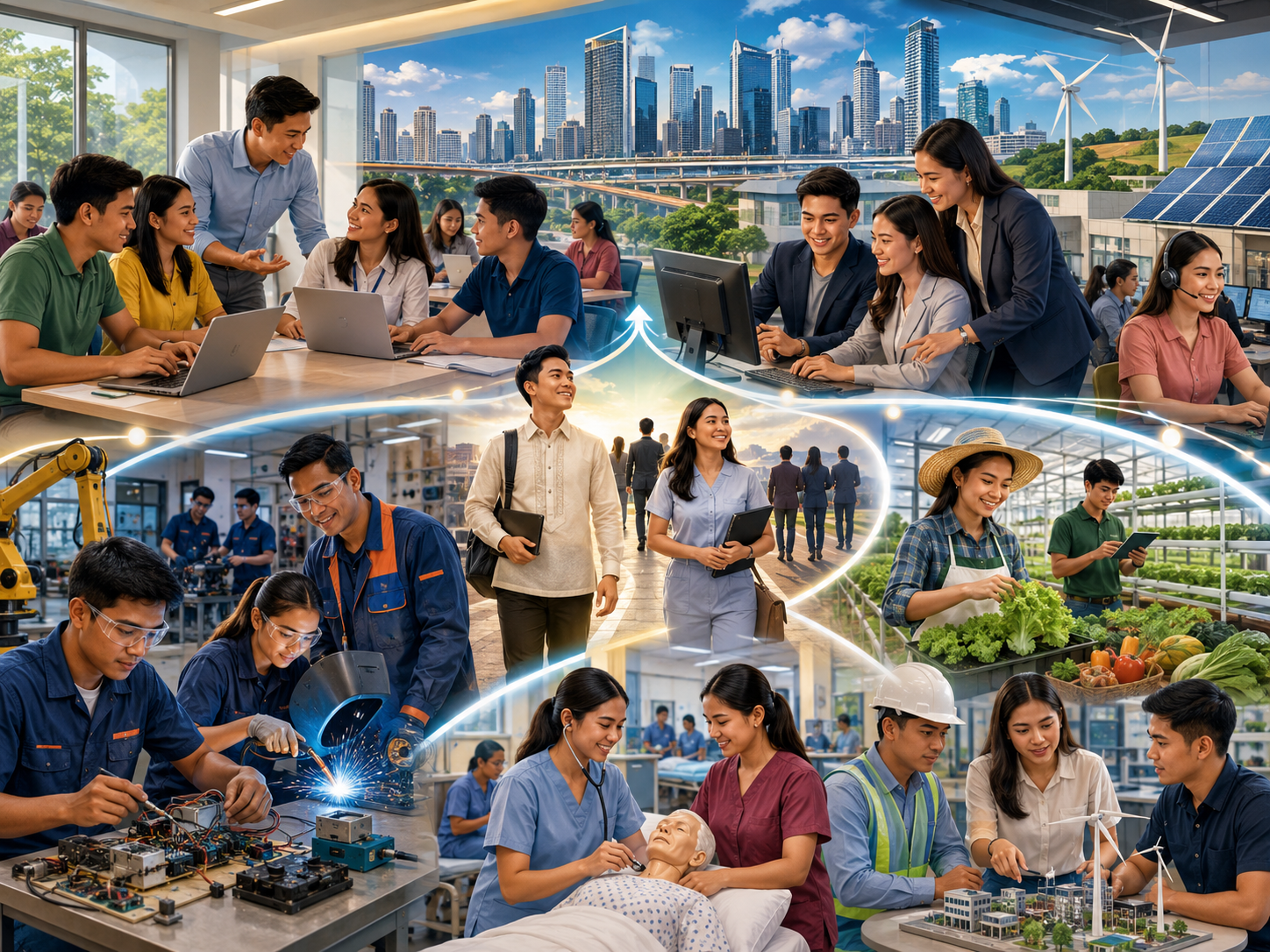

The Philippines has long been the beating heart of the global healthcare workforce. As the world emerges into 2026 with an aging population and post-pandemic realities, the demand for Filipino healthcare professionals has never been higher. However, the nature of healthcare is changing, and the Philippine education system is racing to ensure its graduates remain the gold standard. The focus has shifted from pure clinical acumen to a blend of technology, empathy, and specialized care.
Telemedicine and the Virtual Bedside Manner
The pandemic forced healthcare online, and in 2026, telemedicine remains a permanent fixture. Training programs have adapted accordingly.
Nursing and medical curricula now include rigorous modules on “Webside Manner.” Students are trained to conduct patient assessments via video call, interpret data from remote monitoring devices, and communicate complex medical jargon into simple language for patients in their own homes. This skill set is crucial for servicing the US and European markets, where telehealth has become a staple of primary care. Filipino nurses are now being trained in US Electronic Health Record (EHR) systems like Epic and Cerner during their undergraduate years, ensuring they are “job-ready” from day one.
The Geriatric Care Specialization
The global demographic is shifting toward the elderly. The World Health Organization projects a massive increase in the number of people over 65 by 2030.
Anticipating this, Philippine training institutions are emphasizing geriatric care. This goes beyond traditional nursing to include physical therapy for age-related conditions, dementia care protocols, and nutritional planning for the elderly. This specialization positions Filipino caregivers as premium providers, not just domestic helpers. They are trained to manage chronic diseases and provide companionship with clinical oversight. This professionalization elevates the status and pay scale of Filipino workers in countries like Japan, Germany, and Canada.
Upskilling the “Deskilling” Problem
A persistent issue in the Philippine healthcare system is the “deskilling” of doctors who leave to become nurses abroad for better pay. 2026 sees a concerted effort to mitigate this through advanced training pathways.
Hospitals and training institutions are offering accelerated bridging programs for doctors who wish to transition into specialized Nursing Informatics or Healthcare Management roles rather than general bedside nursing. This allows them to leverage their medical expertise in high-value roles. By creating these pathways, the Philippines retains a better balance of its workforce while allowing professionals to earn an international income.
Mental Health Integration
The stigma surrounding mental health is crumbling, and the demand for psychiatric services is outpacing supply.
Professional training in 2026 incorporates psychological first aid into all healthcare curricula. Nurses, midwives, and even barangay health workers are being trained to recognize signs of severe depression and anxiety. This is particularly relevant in a country with high rates of natural disasters, where community trauma is prevalent. By equipping the frontline with mental health skills, the Philippines is building a more resilient and holistic healthcare system that addresses the mind as readily as the body.