Telemedicine applications often receive the most public attention, but diagnostic laboratories form an equally important part of the healthcare technology ecosystem. Doctors cannot make many clinical decisions without accurate laboratory information, while patients need timely access to understandable test results.
Dashlabs.ai, a Philippine technology company focused on laboratory and diagnostic systems, represents this less visible side of healthcare innovation. Details about its platform and services are available through its official website at https://dashlabs.ai/.
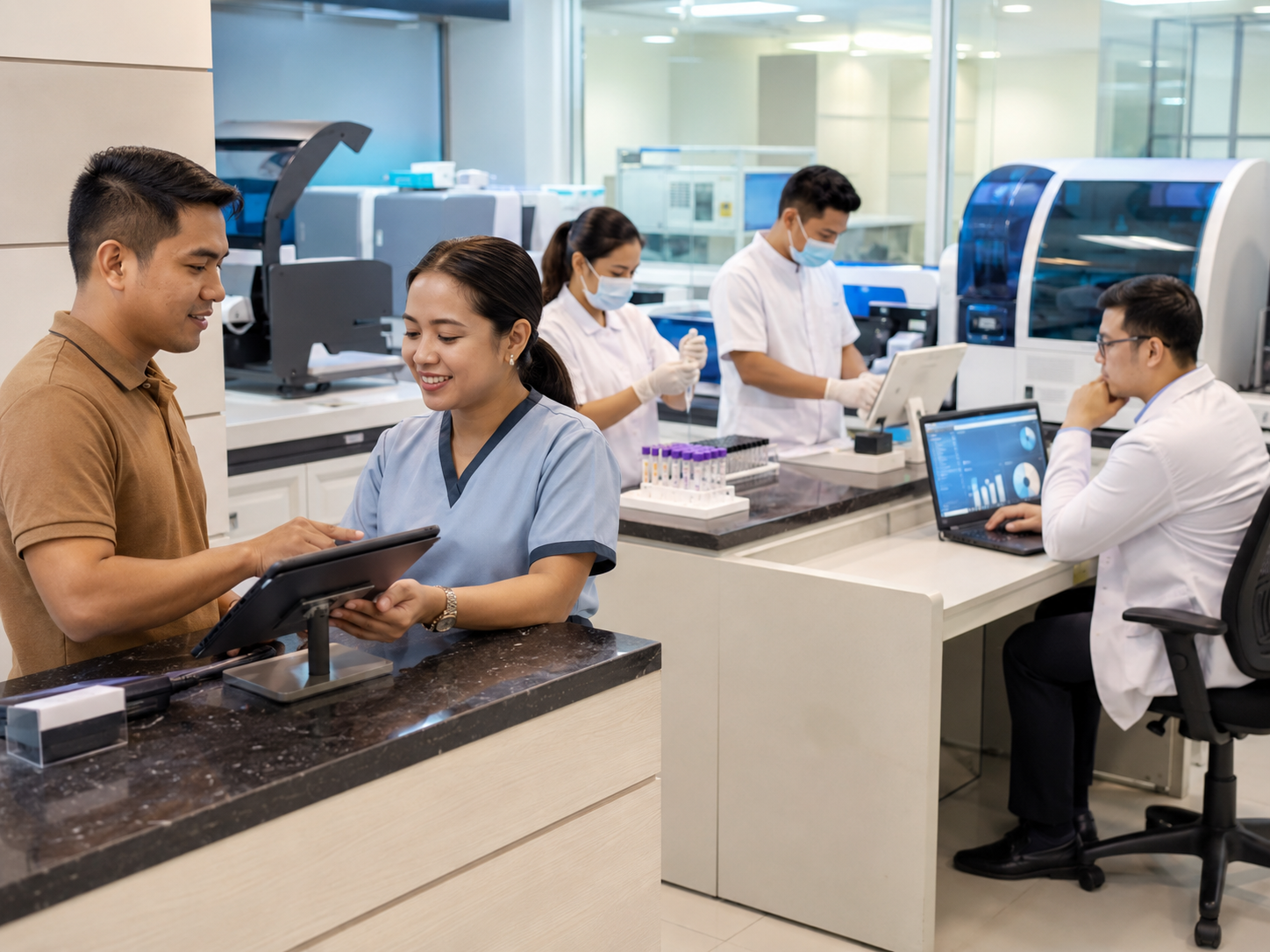
The company’s work highlights how cloud-based systems can help laboratories manage patient registration, testing workflows, result release, and communication with healthcare providers.
The Problem With Manual Laboratory Processes
Paper-Based Workflows Create Delays
Laboratories handle large amounts of sensitive information. Every specimen must be connected to the correct patient, requested test, processing stage, and final result.
When these steps rely heavily on handwritten forms or disconnected spreadsheets, the risk of administrative error increases. Staff may need to enter the same information repeatedly, while patients may wait longer for results.
A laboratory information system can assign digital records to each test request, track its progress, and organize the release of validated results. This creates a clearer operational workflow for laboratory staff.
For patients, digitization may provide easier access to reports without requiring another trip to the testing facility. Doctors can also review results more quickly when patients share secure digital copies.
Lessons From Large-Scale Testing
The COVID-19 period demonstrated how important laboratory data systems are during a public health emergency. Testing facilities had to process large numbers of specimens while reporting results quickly and accurately.
The experience showed that laboratory capacity is not determined only by machines and test kits. Data entry, patient identification, result verification, and reporting can become major bottlenecks when information systems are inadequate.
Philippine-developed platforms have an advantage because they can be designed around local operational realities, including different laboratory sizes, connectivity limitations, and reporting requirements.
The same technology can now be applied to routine blood tests, workplace health screening, infectious disease monitoring, and specialized diagnostics.
Connecting Laboratories With the Wider Health System
Laboratory digitization becomes more valuable when results can move securely between authorized healthcare providers.
For example, a patient may receive an online consultation and be instructed to undergo testing at a nearby laboratory. Once the tests are completed, the physician should be able to review the results without forcing the patient to repeat the entire consultation process.
Interoperability can also support hospitals, corporate health programs, and public health agencies. Aggregated laboratory data may help identify disease patterns or unusual increases in specific test results, provided that privacy protections are maintained.
Accuracy, Security, and Human Oversight
Digital systems cannot determine by themselves whether every laboratory result is clinically valid. Qualified medical technologists and pathologists remain responsible for quality control and result verification.
Technology should help professionals detect missing information, monitor workflows, and reduce repetitive tasks. It should not bypass established laboratory standards.
Cybersecurity is equally important. Diagnostic records may contain information about infectious diseases, pregnancy, genetic conditions, or other highly personal matters. Laboratories must control who can access data and maintain records of authorized activity.
Why Diagnostic Technology Deserves More Attention
The quality of digital healthcare depends on the quality of information moving through the system. Online consultations cannot deliver their full value when doctors cannot access reliable diagnostic results.
Companies such as Dashlabs.ai show that healthcare innovation also occurs behind the scenes. By improving laboratory operations and the movement of diagnostic information, Philippine technology providers can make consultations faster, support better clinical decisions, and strengthen the country’s capacity to respond to future health emergencies.