

The performance of Philippine energy stocks is closely connected to the broader macroeconomic environment. While company earnings and project announcements are important, investors are also watching inflation trends, interest-rate expectations, foreign exchange movements, and the country’s power security needs. These forces can either support energy shares or create pressure on valuations.
Inflation is one of the most important variables. Energy companies operate in a cost-sensitive industry where fuel, maintenance, financing, and imported equipment can affect profitability. When inflation remains elevated, investors often become more cautious toward companies with rising operating costs or large capital expenditure programs. At the same time, power producers and distributors may benefit from mechanisms that allow certain costs to be recovered, depending on contracts and regulatory structures.
Interest rates also play a major role. Energy projects are capital-intensive, requiring significant funding for plants, transmission links, storage systems, and renewable facilities. Higher borrowing costs can reduce project returns and make future expansion more expensive. This is especially relevant for companies building large renewable energy portfolios or modernizing existing assets. When investors expect rates to decline, sentiment toward these companies can improve because financing conditions may become more supportive.
The Philippine peso is another factor affecting the sector. Many energy-related costs, including imported fuel, equipment, and foreign debt obligations, can be linked to the US dollar. Currency weakness may place pressure on companies with significant foreign currency exposure. Conversely, a stronger peso can help reduce cost pressure and improve investor confidence. This is why energy stock analysis often overlaps with macroeconomic and currency market analysis.
Beyond financial variables, power security remains a central theme. The Philippines needs sufficient electricity supply to support economic growth, industrial expansion, digital infrastructure, and household consumption. Any concern about tight supply, rising peak demand, or delayed capacity additions can influence investor views on companies capable of bringing reliable power to the grid. Firms with operational assets, dependable contracts, and expansion plans may receive closer attention during periods of supply concern.
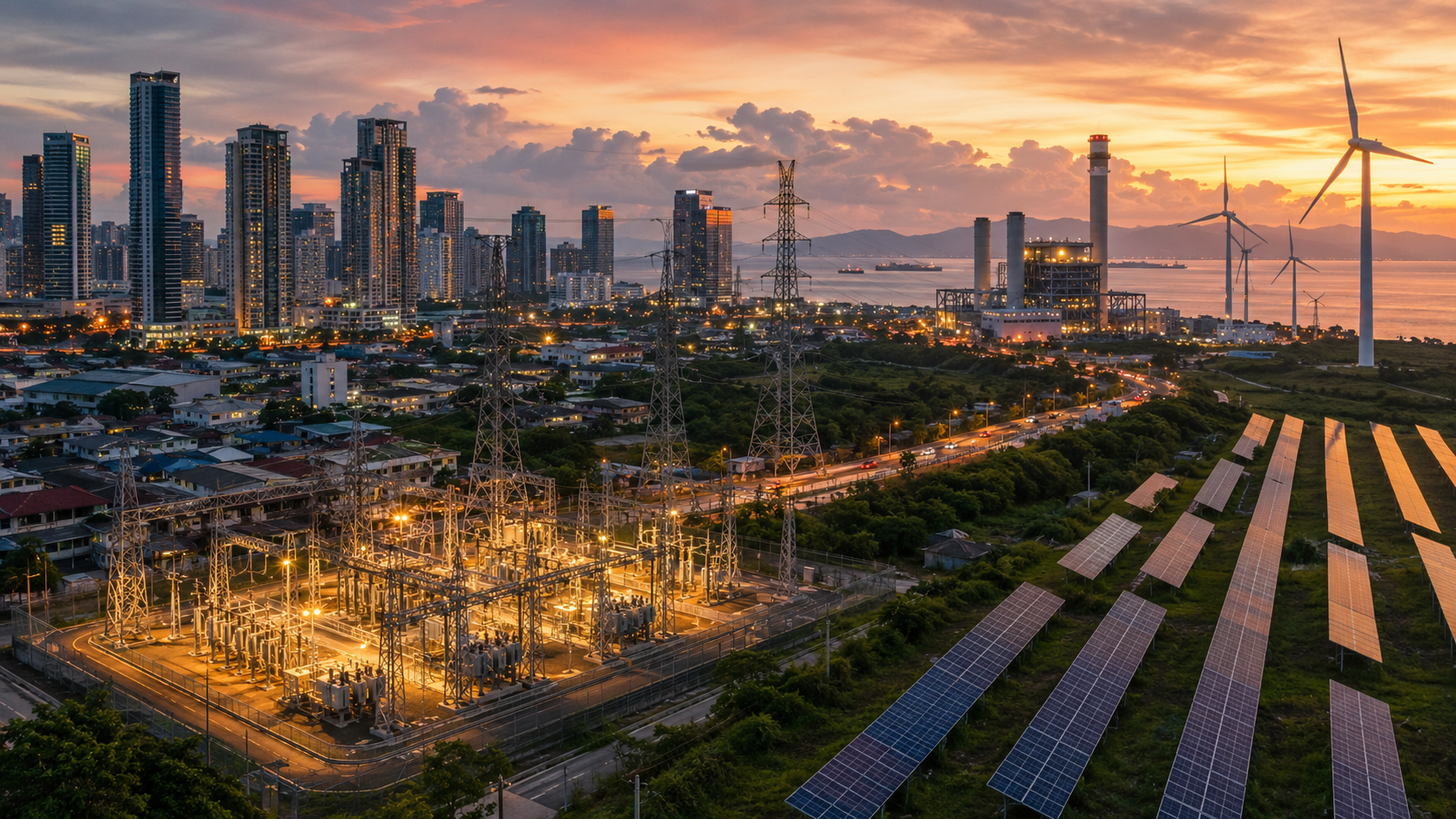
Renewable energy is part of this power security discussion, but it is not the only solution investors are evaluating. Solar and wind projects can support cleaner power generation, while storage and grid investments are needed to improve reliability. Conventional generation assets may still play a role in maintaining supply stability. This balance between reliability and sustainability is shaping how the market prices different energy companies.
Stock movements in the sector may therefore reflect more than earnings headlines. A share price increase can signal confidence in a company’s cash flow, regulatory position, or project pipeline. A decline may reflect concerns over debt, fuel cost exposure, delayed approvals, or market-wide risk aversion. Investors who focus only on daily price changes may miss the deeper forces influencing the sector.
For the Philippine market, energy stocks remain important because they sit at the intersection of economic growth, household welfare, inflation pressure, and long-term infrastructure planning. The sector can offer defensive qualities, but it is not risk-free. The best-positioned companies are those with disciplined financing, diversified energy sources, transparent regulation exposure, and the ability to deliver projects that match the country’s future electricity needs.