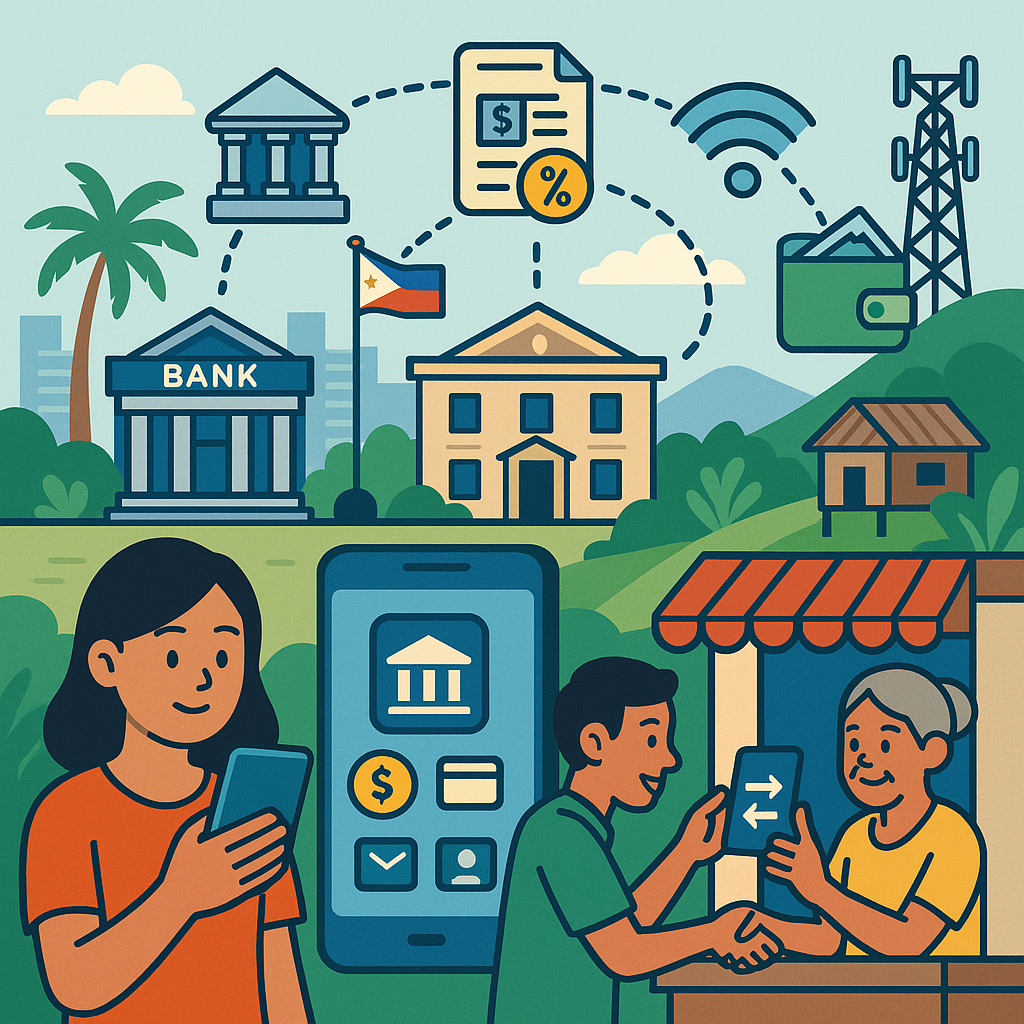
The rise of mobile banking in the Philippines is often described in terms of apps and wallets, but its impact on financial inclusion is the result of a broader ecosystem. At its core, mobile banking uses digital channels to deliver financial services at scale, lowering costs and breaking geographic barriers. When combined with supportive regulation, agent networks, and financial literacy efforts, it becomes a powerful tool for bringing more people into the formal financial system.
A significant share of the Filipino population traditionally had limited contact with banks. Many lacked the documents required for account opening, earned irregular incomes, or lived far from urban centers. Mobile banking offers a flexible alternative. Tiered account structures allow users to start with basic, low-risk accounts that require simpler verification. Over time, as usage and trust grow, they can upgrade to accounts with higher limits and additional features.
Telecommunications infrastructure is a key enabling factor. As mobile coverage has expanded and data costs have fallen, it has become feasible for banks and fintech companies to offer user-friendly applications to a wide audience. Even basic phones can often access simple services that support money transfers and balance inquiries. Partnerships between banks, fintechs, and telecom operators help align incentives and ensure that services remain affordable for low-income users.
On the ground, agent networks serve as the physical touchpoints of this digital system. Agents are often small retailers or service providers who help customers cash in, cash out, and sometimes onboard to digital platforms. Their presence in local communities reinforces trust and reduces the need for long-distance travel. For many first-time users, interactions with agents are crucial to overcoming hesitancy and learning how to use mobile banking features.
The benefits of this ecosystem extend beyond basic payments. As users conduct transactions through mobile banking channels, they generate data that can be used to design new products. Usage patterns may indicate a need for micro-savings tools, pay-as-you-go insurance, or small emergency loans. Providers can tailor offerings based on actual behavior rather than assumptions, making services more relevant and effective for low-income clients.
The public sector also plays a strategic role. When government agencies use mobile banking and digital wallets to distribute salaries, pensions, or social assistance, they encourage beneficiaries to engage with formal financial channels. This can be a first step toward broader financial inclusion, especially if accompanied by guidance on how to save, budget, or access additional products using the same account.
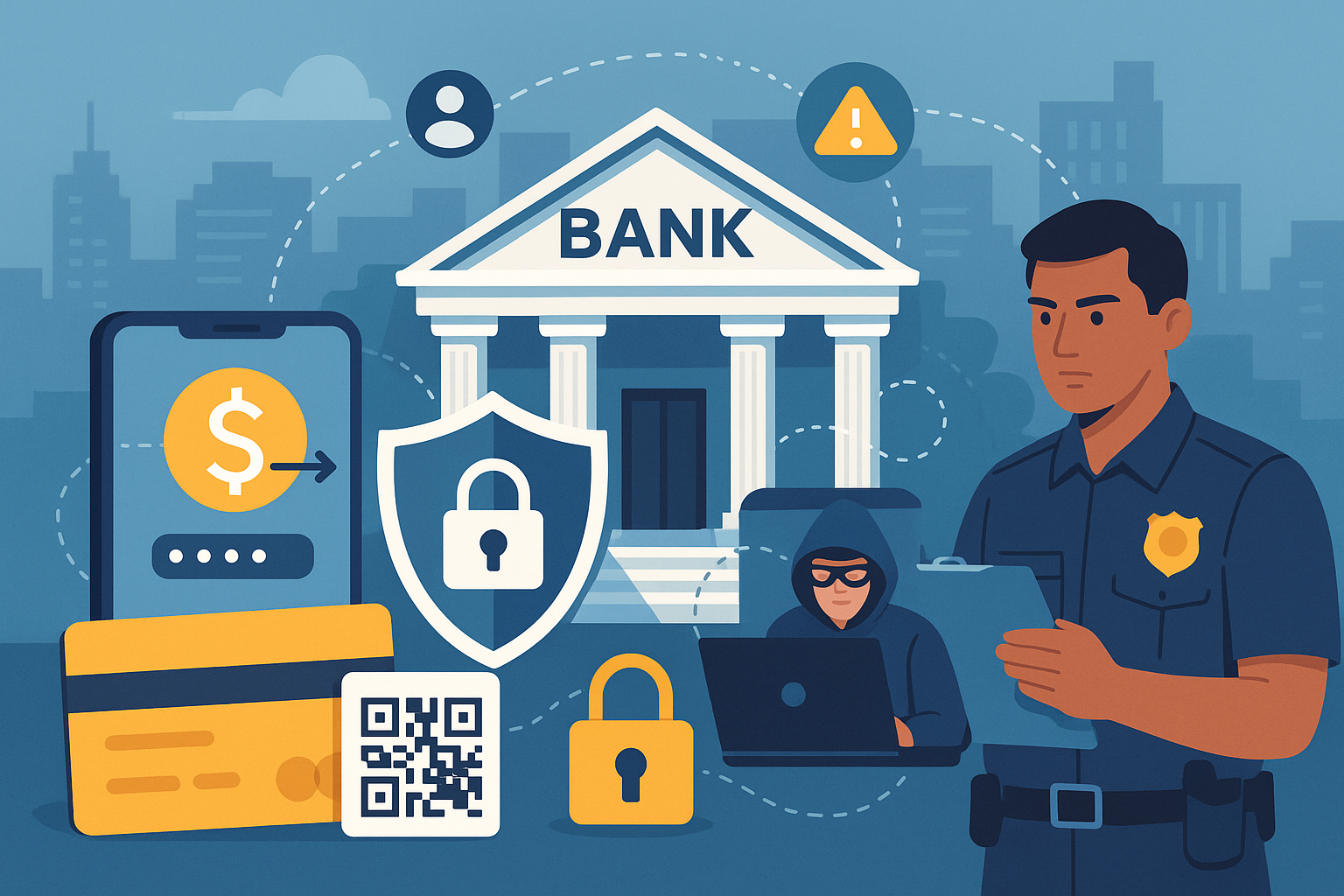
Still, building an inclusive mobile banking ecosystem requires careful oversight. Regulators must balance innovation with stability by setting standards for cybersecurity, data privacy, and consumer protection. Clear disclosure of fees, transparent dispute resolution mechanisms, and safeguards against over-indebtedness are especially important when products such as digital credit are introduced. Without these measures, vulnerable users may be exposed to new risks.
Another challenge is ensuring that mobile banking does not create a new digital divide. People without access to reliable networks, affordable devices, or the skills needed to navigate apps could be left further behind. Addressing this risk calls for investments in infrastructure, targeted support for marginalized communities, and collaboration with civil society organizations that understand local realities.
In the Philippine setting, the role of mobile banking in advancing financial inclusion cannot be separated from these broader dynamics. It is the combination of technology, regulation, business models, and user education that determines whether digital services truly reach the people who need them most. When this ecosystem works well, mobile banking becomes an instrument for empowerment, enabling individuals and businesses across the archipelago to participate more fully in the formal economy.