

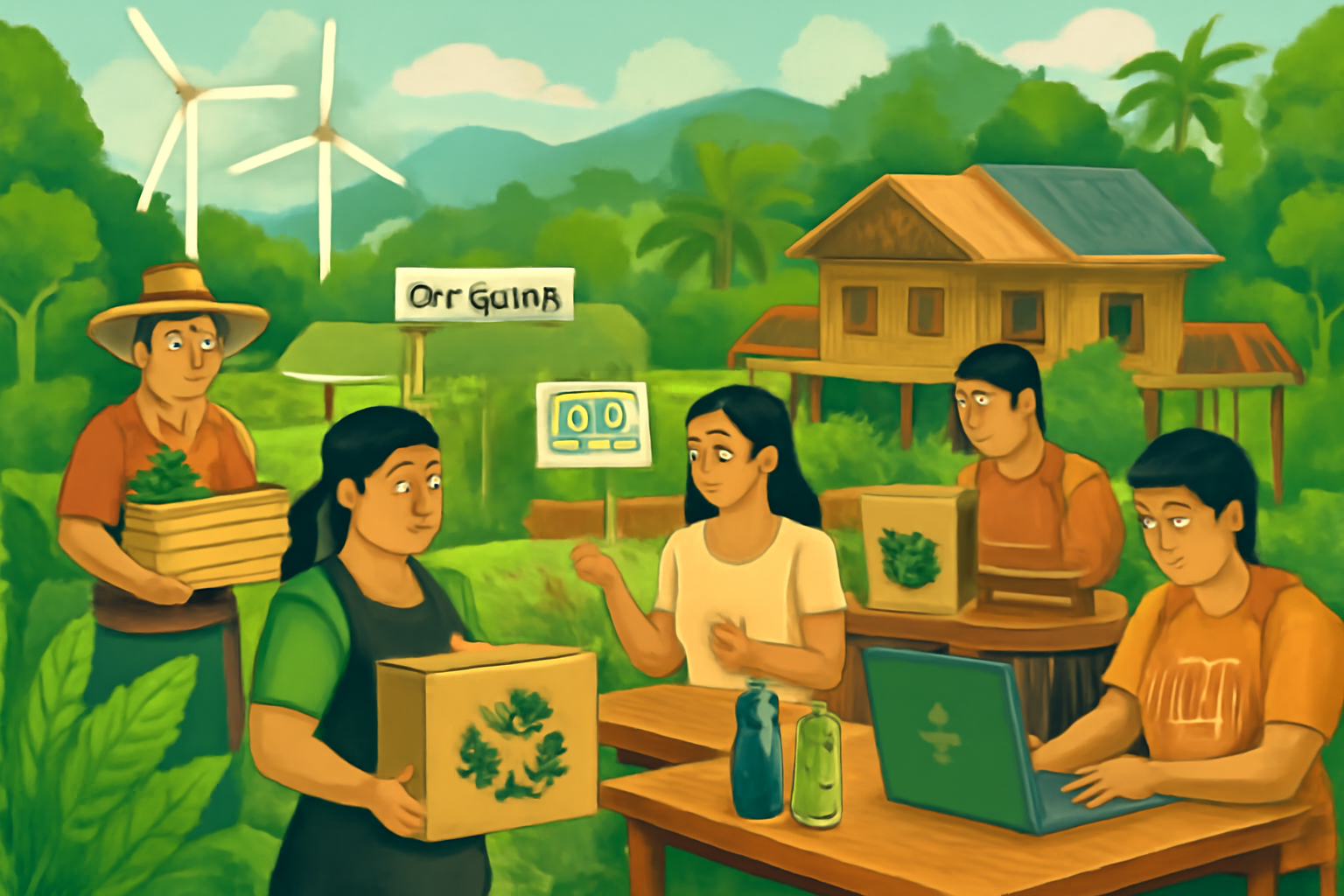
The push towards sustainability is a global movement, and in the Philippines, it is opening up exciting new opportunities for Micro, Small, and Medium Enterprises (MSMEs). As climate change, environmental degradation, and resource depletion continue to shape global business trends, MSMEs in the Philippines are increasingly recognizing the importance of sustainable business practices. By adopting green initiatives, these businesses can not only contribute to the country’s environmental goals but also enjoy economic benefits like cost savings, improved market share, and enhanced brand loyalty.
The Philippines is one of the most climate-vulnerable countries in the world, regularly affected by natural disasters such as typhoons and floods. In response to these challenges, the government and businesses alike are focusing on building a more resilient, sustainable future. For MSMEs, this means integrating environmentally responsible practices into every aspect of their operations—from production and supply chains to waste management and energy use.
One of the most notable trends in the Philippines is the growing demand for sustainable products. Filipino consumers are becoming more discerning, and many now prefer to purchase goods that are eco-friendly, ethically sourced, and produced using green methods. MSMEs that produce organic food, recyclable packaging, or sustainable clothing, for example, have an opportunity to appeal to this increasingly eco-conscious market. These businesses can leverage their green credentials as a powerful marketing tool to attract and retain customers who care about the environment.
Energy sustainability is another important trend for MSMEs in the Philippines. By investing in renewable energy, such as solar power or wind energy, small businesses can reduce their reliance on fossil fuels, lower their electricity costs, and contribute to a greener environment. Additionally, with the growing availability of government incentives and subsidies, transitioning to renewable energy has become more affordable for MSMEs, making it an attractive option for long-term business sustainability.
In the agricultural sector, sustainable practices are becoming essential for MSMEs looking to improve efficiency and reduce environmental harm. Organic farming, agroforestry, and water conservation are just a few of the sustainable practices that can enhance productivity while also appealing to consumers seeking ethical, locally grown products. MSMEs in agriculture can benefit greatly from the growing demand for organic products, both within the Philippines and internationally.
Finally, MSMEs are increasingly focusing on sustainability throughout their supply chains. By sourcing raw materials responsibly, reducing waste, and ensuring that suppliers adhere to sustainable practices, businesses can create a more ethical and transparent supply chain. This helps strengthen customer trust, improves supplier relationships, and ensures that sustainability is embedded throughout the business ecosystem.
In addition to these opportunities, the Philippine government is actively promoting sustainability in the MSME sector through various policies and programs. Financial assistance, tax breaks, and technical support are available for businesses that adopt green practices, making it easier for MSMEs to transition to more sustainable models.
In conclusion, the growing emphasis on sustainable business practices in the Philippines provides vast opportunities for MSMEs. By aligning their operations with sustainable principles, businesses can tap into a rapidly growing market, improve operational efficiencies, and contribute to a more sustainable future for the country.


