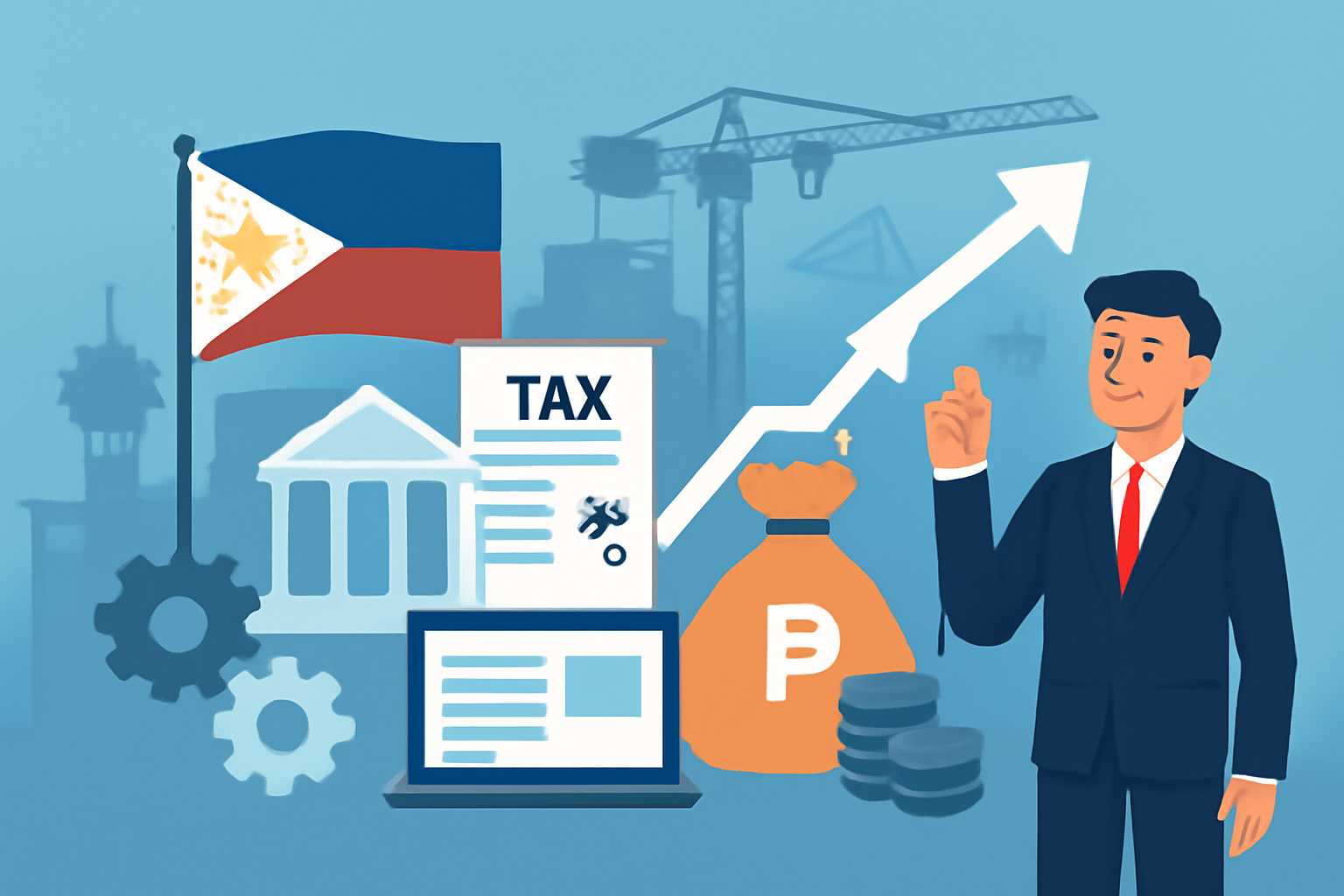


As one of the fastest-growing economies in Southeast Asia, the Philippines faces significant challenges when it comes to infrastructure development. To address this, the government has increasingly turned to Public-Private Partnerships (PPPs) as a solution to financing and executing large-scale infrastructure projects. By collaborating with private companies, the Philippine government can leverage both domestic and foreign expertise, while minimizing the burden on public funds.
The “Build, Build, Build” program has been the cornerstone of the government’s infrastructure strategy. Through PPPs, the government has been able to fast-track critical projects like the construction of new airports, roads, and mass transit systems. The program has focused on modernizing the country’s infrastructure to improve efficiency and support economic growth, especially in urban areas like Metro Manila, Cebu, and Davao.
Private companies participating in these partnerships provide not only financial capital but also engineering expertise, technical know-how, and operational management skills. For example, the construction of the LRT-2 extension and the New Manila International Airport is being carried out through partnerships between the government and private sector players. These collaborations are pivotal in meeting the growing demands for better transport systems in the country.
Public-private partnerships have become the primary method for delivering major infrastructure projects in the Philippines. The advantage of PPPs lies in the shared risks and rewards, which allow the government to complete projects without relying solely on taxpayer money, while private companies benefit from long-term investment returns. By ensuring the sustainability of these projects, both parties contribute to the nation’s overall development.
The continued success of PPPs in the Philippines relies on the government’s ability to provide a clear regulatory framework and ensure timely approvals for projects. Although challenges such as political instability and regulatory hurdles persist, the growing recognition of the benefits of PPPs will continue to drive the development of essential infrastructure across the country.