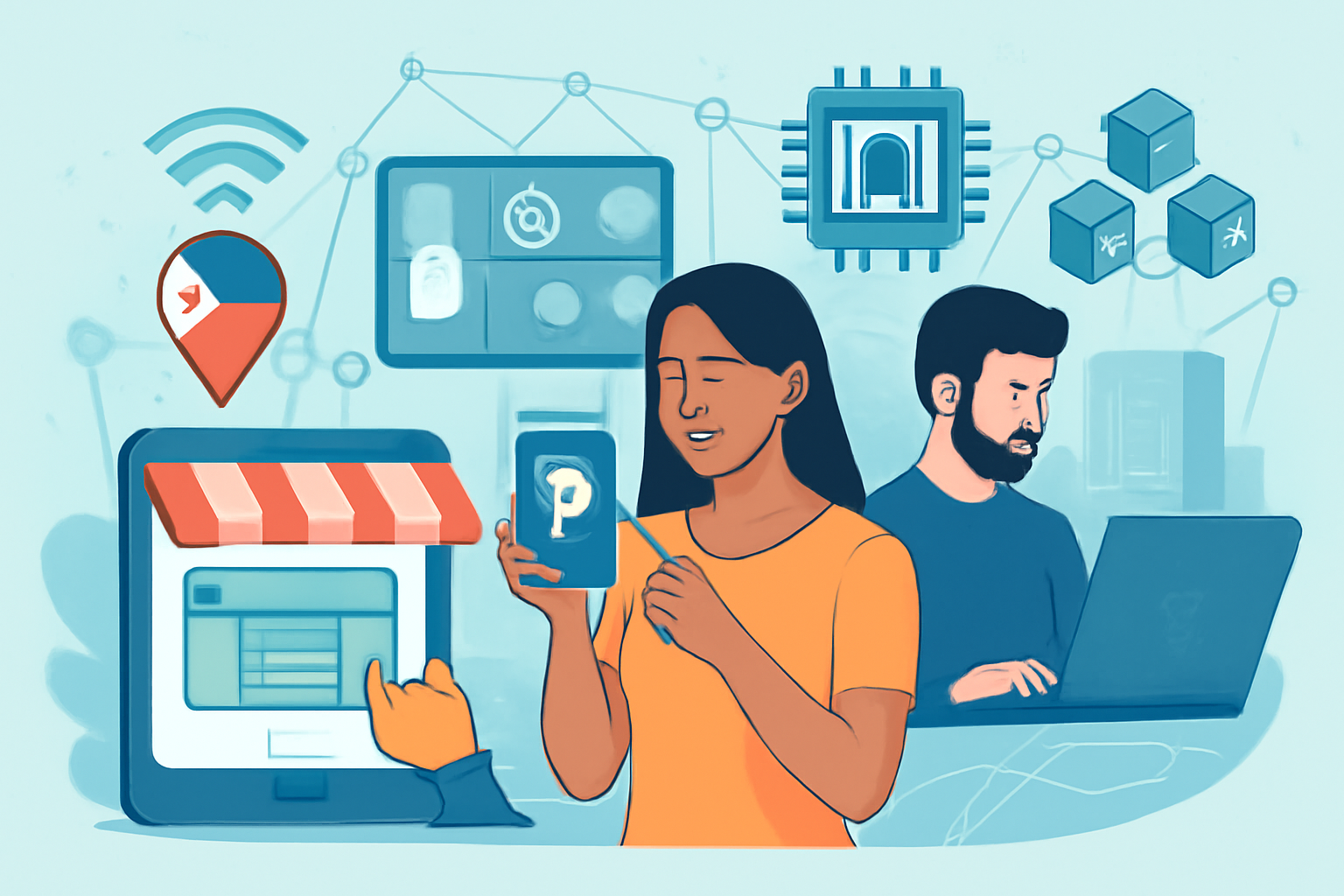

The digital divide remains a significant issue in the Philippines, especially for rural communities that are often left behind due to limited access to technology and the internet. While urban areas continue to benefit from rapid technological advancements, rural Filipinos are still grappling with issues such as poor internet infrastructure, limited access to services, and a lack of digital literacy. However, the rise of technology startups is helping to bridge this gap, offering innovative solutions that cater to the specific needs of rural communities.
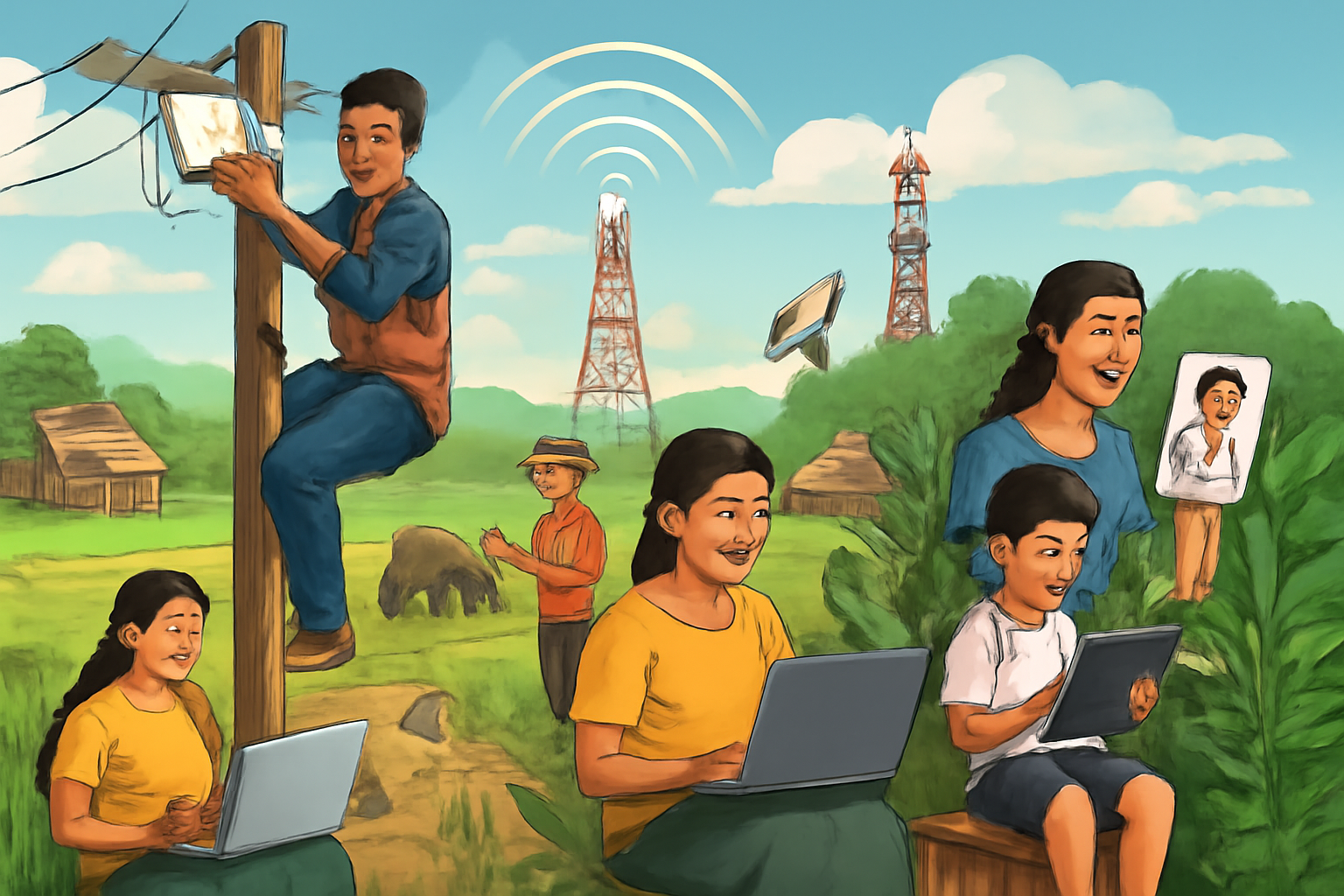
One of the key challenges faced by rural areas in the Philippines is the lack of reliable internet infrastructure. In many remote regions, people struggle to access basic online services due to slow or non-existent internet connections. Tech startups have recognized this issue and are working to provide solutions that improve connectivity in underserved areas. Startups are rolling out affordable internet services, such as satellite-based connectivity and community Wi-Fi networks, to help bridge the gap. These solutions enable rural communities to access the internet, connect with others, and participate in the digital economy.
Another area where technology startups are making a significant impact is agriculture. Agriculture plays a vital role in the livelihoods of rural Filipinos, but many farmers struggle with outdated farming methods and limited access to resources. Agritech startups are helping to solve this problem by developing mobile applications and platforms that provide farmers with critical information about weather patterns, crop management, and market prices. These tools help farmers make more informed decisions, improve crop yields, and reduce waste, ultimately increasing their income.
Technology startups are also improving access to healthcare in rural areas through telemedicine services. Many rural communities face challenges in accessing medical care due to the lack of healthcare facilities and trained professionals. Telemedicine startups are bridging this gap by offering virtual consultations, enabling patients to consult with doctors and receive medical advice without leaving their homes. This service is invaluable in remote areas, where travel to a medical facility can be time-consuming and expensive.
Furthermore, digital education startups are playing a critical role in enhancing access to quality education in rural areas. Many rural schools lack resources and face challenges in delivering quality education. By offering online learning platforms, these startups are providing students in remote regions with access to world-class educational materials. These platforms not only offer traditional academic content but also provide vocational training that equips students with the skills needed to succeed in the workforce.
In addition to providing services, technology startups are also playing a vital role in fostering digital literacy in rural communities. Many rural residents have limited experience with technology, making it difficult for them to take advantage of online opportunities. Through training programs, workshops, and community outreach, startups are helping to improve digital literacy, enabling individuals to use smartphones, navigate the internet, and access essential services.
Through their innovative solutions, technology startups in the Philippines are empowering rural communities and helping to bridge the digital divide. By improving connectivity, providing essential services, and fostering digital skills, these startups are helping to create a more inclusive and equitable society where rural Filipinos can thrive in the digital age.