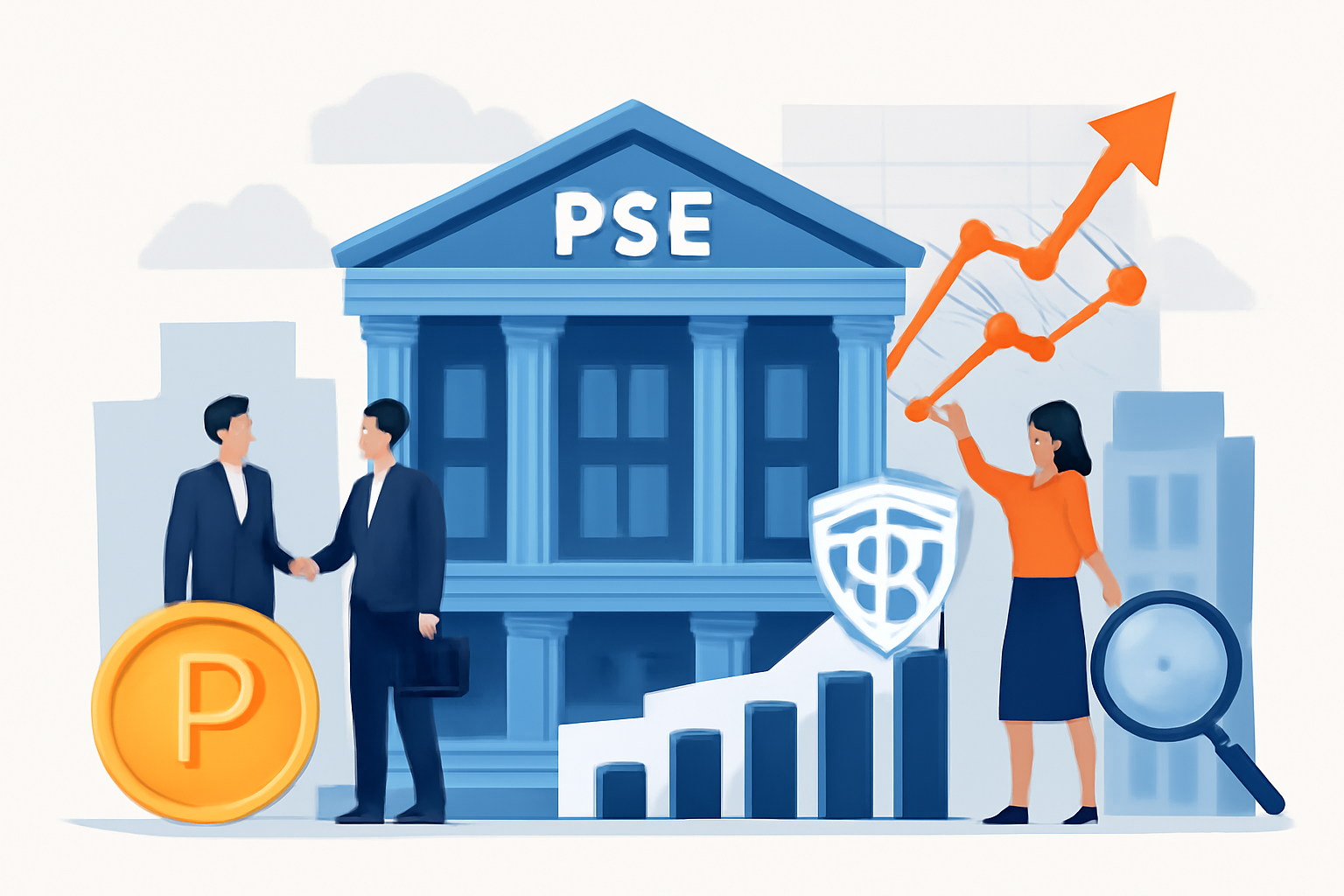

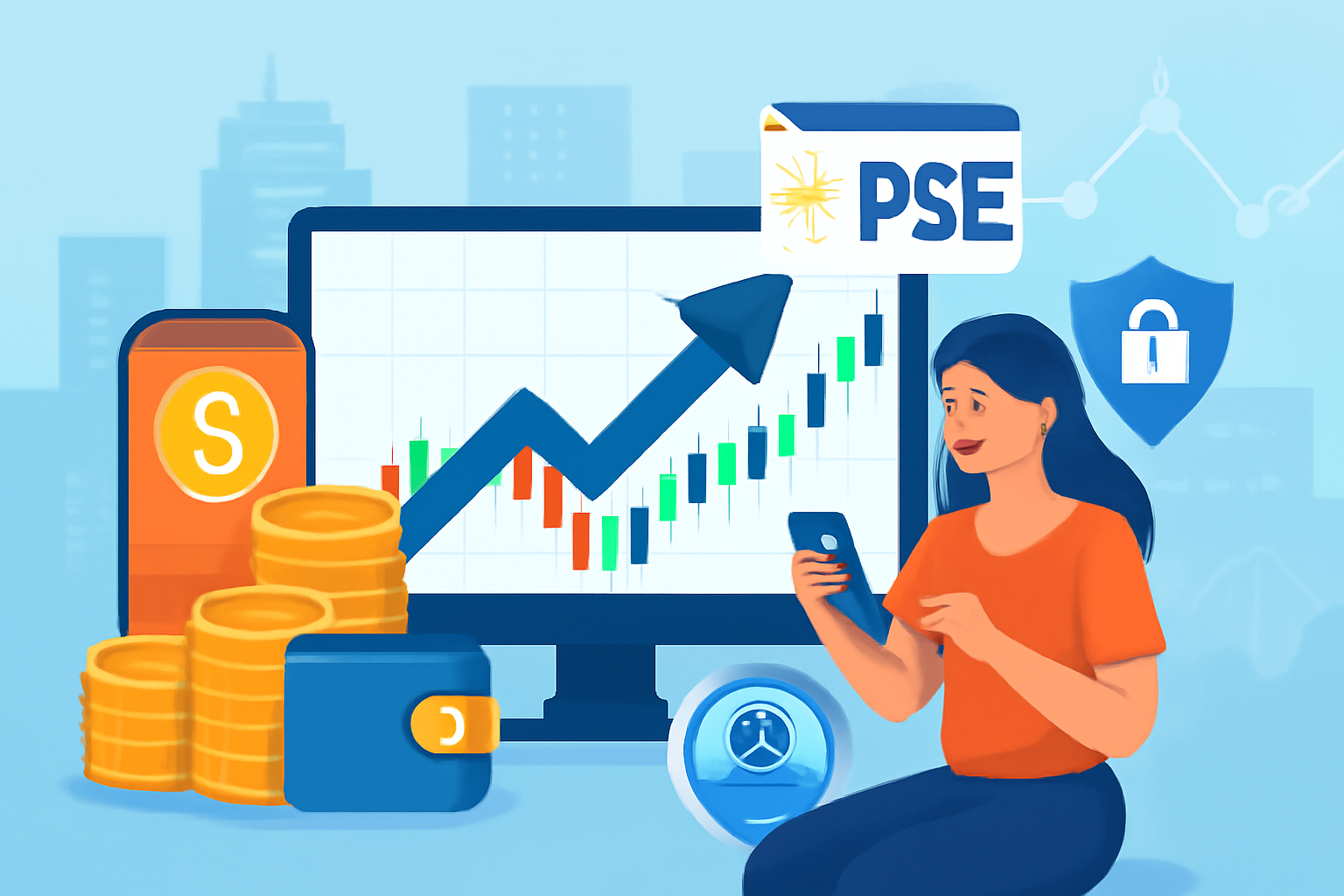
In recent years, the Philippine stock market has seen remarkable changes driven by the integration of digital technology and financial technology (fintech). These developments are making the stock market more accessible to a broader range of investors and transforming the way individuals approach investing.
One of the most significant changes is the emergence of online trading platforms. These platforms allow investors to access the stock market from anywhere at any time, eliminating the need for traditional in-person meetings with brokers. This ease of access has made stock market investing more appealing, particularly to younger, tech-savvy Filipinos who are comfortable using digital tools. By removing traditional barriers such as office visits or phone calls, online platforms have opened up the stock market to a much wider audience.
The Philippine Stock Exchange (PSE) has also embraced digital technologies to modernize its operations. With the introduction of electronic trading systems, the PSE has streamlined the trading process, allowing for faster and more transparent transactions. These improvements have made the PSE more competitive in the global financial landscape, attracting international investors looking for growth opportunities in the Philippines.
Furthermore, fintech innovations such as mobile wallets and digital banking have made it easier for Filipinos to fund their investment accounts. These digital payment systems offer a seamless way to transfer money into trading accounts, reducing the complexity of the investing process. As digital payment systems continue to gain traction, more Filipinos will be able to participate in the stock market with ease.
Robo-advisors are another fintech innovation that is making waves in the Philippine stock market. These automated platforms offer personalized investment recommendations based on a user’s financial situation, risk profile, and investment goals. By providing affordable and accessible investment advice, robo-advisors are helping a new generation of investors navigate the complexities of the stock market.
However, the shift to digital platforms is not without challenges. One of the most pressing concerns is the need for enhanced cybersecurity. As more investors rely on digital platforms to manage their investments, the risk of cyberattacks and fraud grows. Both the government and the private sector must continue to invest in secure systems to protect sensitive financial data and maintain trust in the market.
Another challenge is financial literacy. Despite the growth of digital platforms, many Filipinos still lack a clear understanding of how to invest in stocks. Financial education initiatives are essential to equip the population with the knowledge needed to make informed investment decisions and avoid costly mistakes.
In sum, the Philippine stock market is experiencing significant growth thanks to the rise of digital technology and fintech innovations. While challenges remain, the market’s future is bright, with digital platforms and fintech tools offering new opportunities for investors of all backgrounds. The continued development of these technologies promises to further democratize the Philippine stock market and create a more inclusive investment environment.