
Most coverage of Philippine robotics focuses on Laguna’s industrial parks or PEZA-registered factories. But a team of electronics engineering students from Baguio is building something that may prove equally instructive: a robotics company born from competition circuits and aimed at an environmental problem that every Philippine city faces.
From Sumo Robots to Waste Sorting
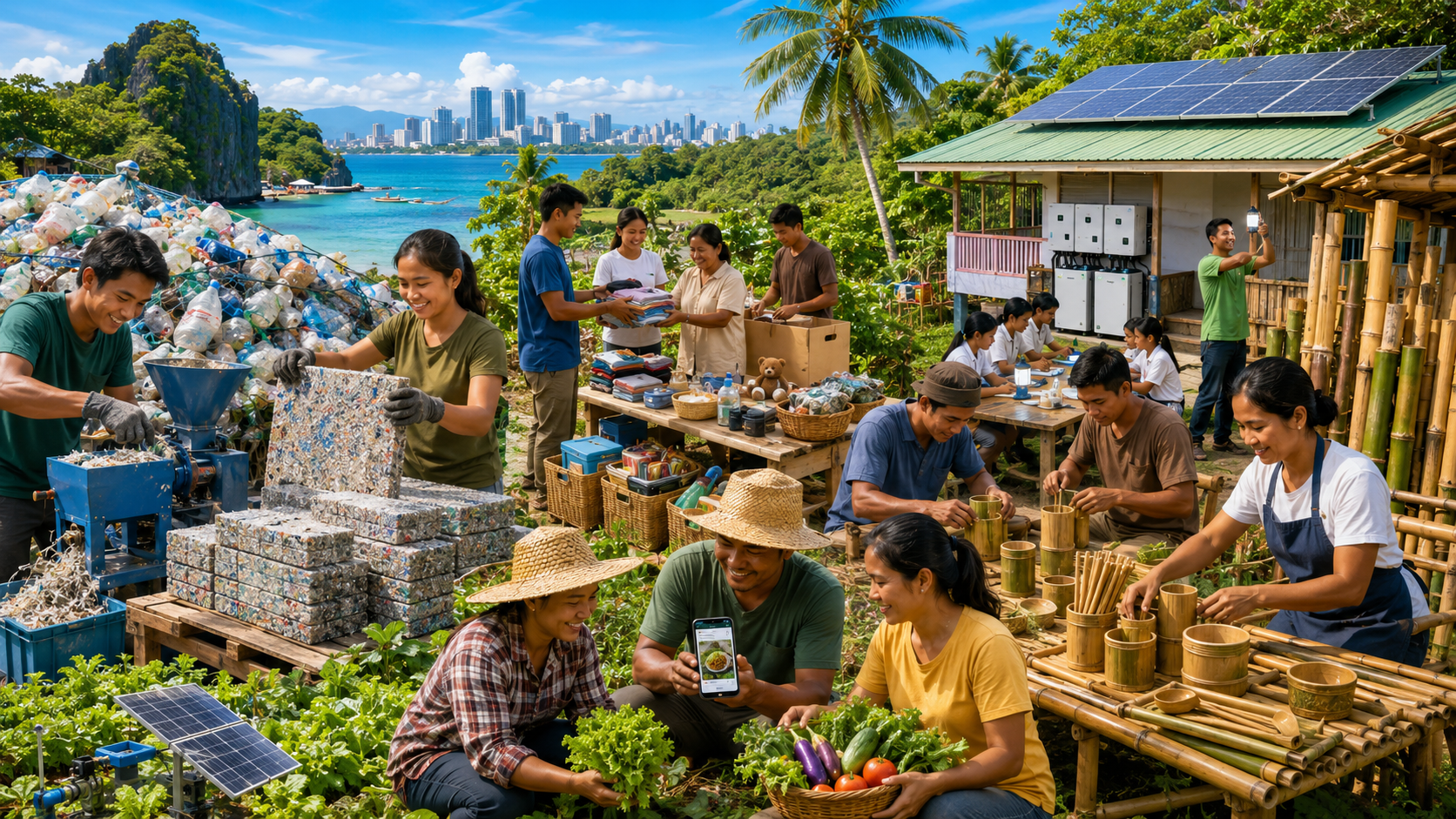
Shaper Robotics was founded in 2026 by students who cut their teeth on robotics competitions—Mech Mayhem in Baguio, Robolution Manila, and regional qualifying events. Their pivot product, SegreTech, is an edge-computed AI delta-robot system designed for Material Recovery Facilities. The system uses computer vision and robotic manipulation to sort recyclables with accuracy and consistency that manual sorting cannot match. Poor sorting contaminates recycling streams and destroys recoverable value; SegreTech targets that specific failure point.
The team placed in the top 14 finalists at Ecothon Philippines 2026 and competed in the Go Healthy with Taiwan Innovation Challenge, where they learned to present SegreTech not as an engineering project but as a venture with users, markets, and social value. That distinction matters. Many technically impressive student prototypes never become products because their builders cannot articulate who pays for them and why.
Why This Matters for the Broader Robotics Conversation
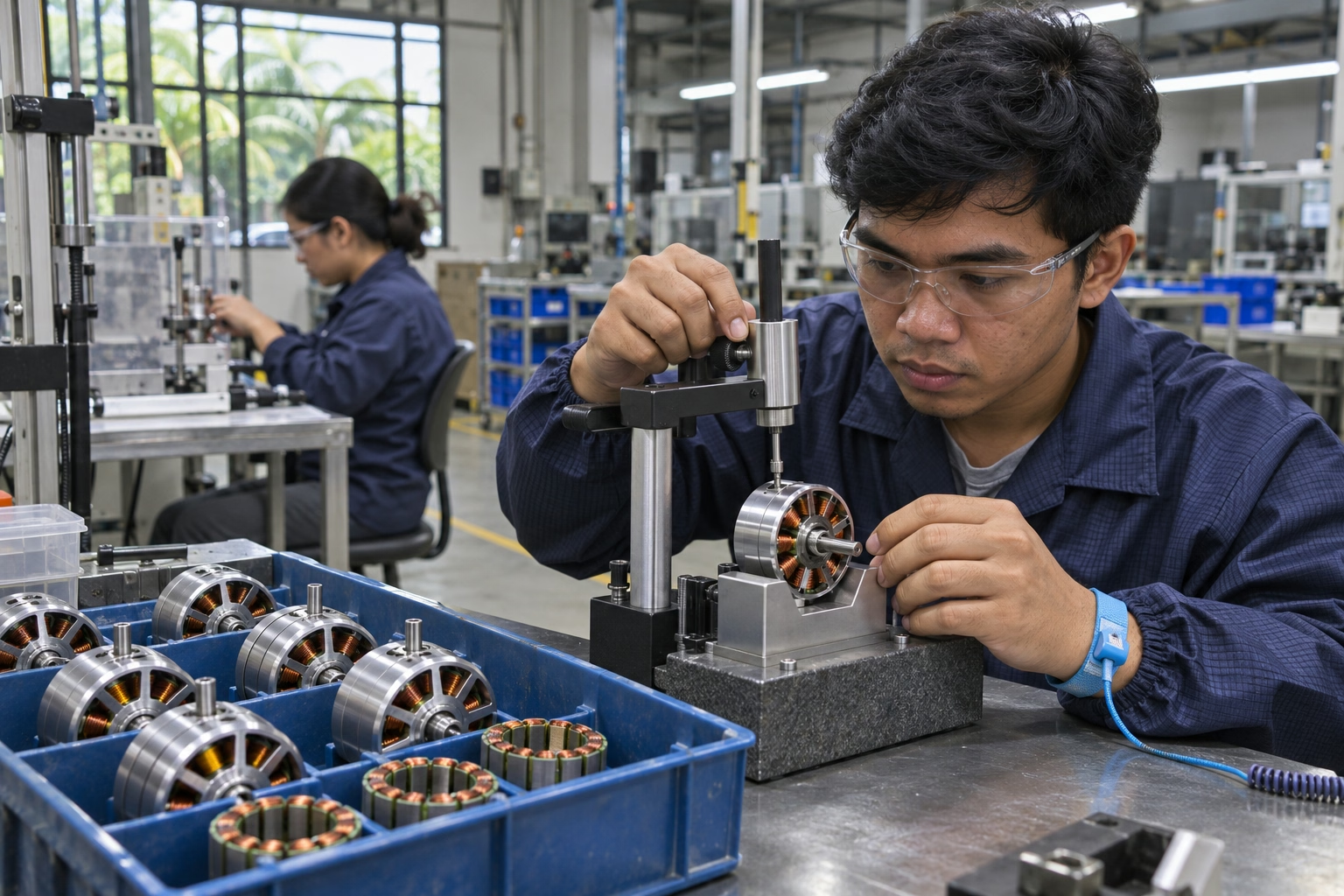
Shaper Robotics operates outside the PEZA ecosystem, outside Metro Manila, and outside the supply chains that global robotics firms care about. Yet its existence signals something important: the Philippines has a grassroots robotics talent layer that does not depend on foreign direct investment to exist. These are students who built motor controllers, vision systems, and embedded software under competition deadlines—the same skills that industrial automation employers struggle to hire. Whether Shaper Robotics becomes a durable company or a talent pipeline for larger firms, its trajectory suggests that the country’s robotics future will not be built solely in Laguna technoparks. It will also come from Baguio, from student labs, and from problems that global vendors have no incentive to solve.