
The 11.7% Growth Story
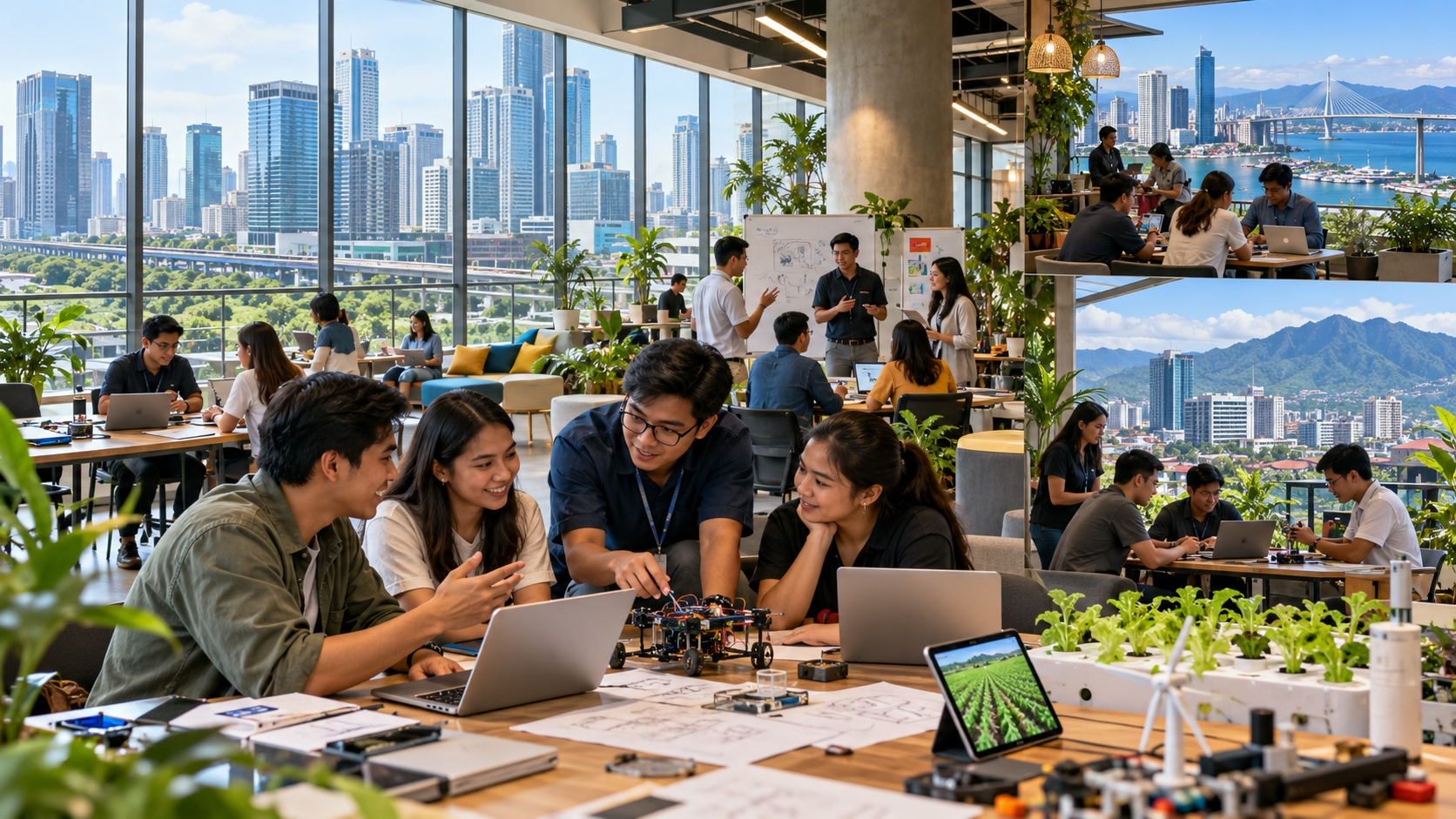
In 2026, the Philippines reversed a four-year decline in the Global Startup Ecosystem Index, climbing one spot to 63rd out of 100 countries with an overall score of 2.499. The ecosystem posted a growth rate of 11.7%, slightly above the global average of 10.3%. By September 2026, the country was home to 722 startups, representing 7% of all startups in Southeast Asia. Two unicorns — PayMaya and Revolution Precrafted — anchor the top of the funnel, while fintech dominates the largest funding rounds, with Salmon, Maya, and Cashalo accounting for the majority of $15 million-plus rounds between 2024 and 2026.
But rankings are a lagging indicator. The more revealing data point is ecosystem breadth. The Philippines ranks #6 in Southeast Asia, behind Singapore, Indonesia, Vietnam, Malaysia, and Thailand. Manila alone holds a combined enterprise value of $12.3 billion and a 9× five-year growth multiplier, making it the dominant hub by a wide margin. The challenge — and the opportunity — lies in replicating that concentration of value beyond the capital.
The Presidential Filipinnovation Awards and the Commercialization Pipeline
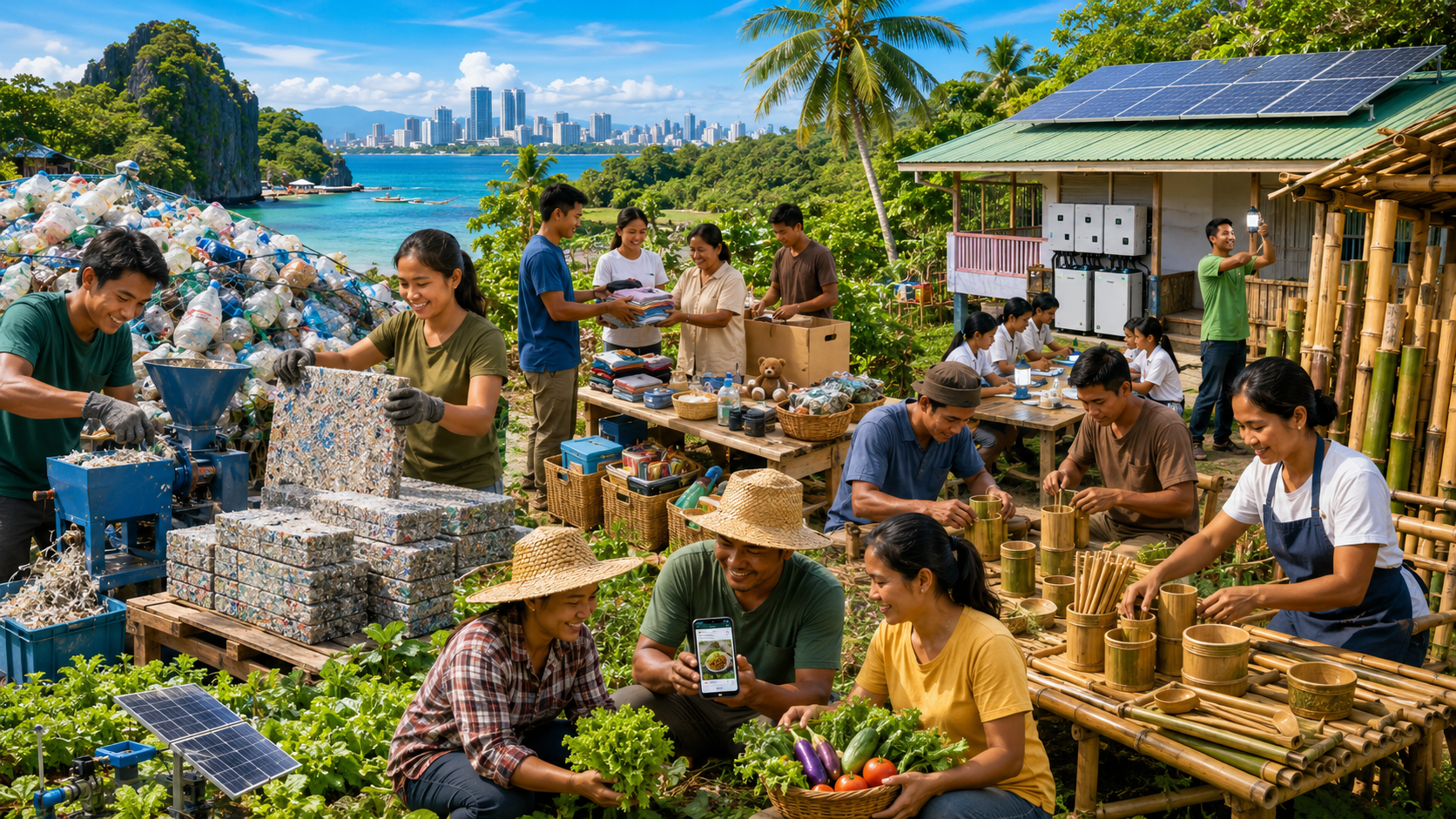
In September 2026, five innovators received the Presidential Filipinnovation Awards, each receiving a 3.5 million peso cash grant and post-competition support. The awardees included a compact biodiesel reactor, a Philippine native chicken innovation, a saltwater-powered turbine called the Saltric Marissa Turbine, and a gasification process for waste disposal. These are not fintech apps or e-commerce platforms. They are hardware, agriculture, and energy innovations — the kind of ventures that require patient capital and long commercialization timelines.
The awards are part of the National Innovation Council’s flagship programs under Executive Order No. 99, designed to showcase Filipino ingenuity and promote innovation-driven entrepreneurship. But the real test is whether a 3.5 million peso grant can bridge the gap between a working prototype and a commercially viable product. For the Saltric Marissa Turbine, which aims to turn rivers into 24/7 power for off-grid communities, the path from award to deployment will depend on follow-on financing, regulatory approvals, and local government adoption — none of which are guaranteed by an award ceremony.
The Jobs Multiplier and the Unfinished Agenda
According to DOST’s Technology Application and Promotion Institute, startup-related programs have contributed to 2.2 million jobs created nationwide. That figure, while impressive, deserves scrutiny: it aggregates direct and indirect employment across all DOST-assisted enterprises, not just venture-backed startups. The more precise question is whether the policy architecture — grants, co-investment funds, ecozones, and innovation hubs — is producing companies that can scale without perpetual government subsidy.
The 2026 Philippine Private Capital Report suggests that private capital funding grew 34% year on year to $490 million, supported by a surge in debt financing alongside moderate equity gains. That is a healthier composition than pure equity froth. But the ecosystem’s dependence on a handful of fintech winners and a small pool of active venture funds remains a structural vulnerability. The next phase of Philippine startup policy will not be about writing new laws or launching new programs. It will be about whether the existing ones can produce exits, returns, and reinvestment cycles that sustain the ecosystem without government priming.