The Philippines is experiencing a growing interest in startups that use technology to address environmental problems. This growth is driven by real and visible challenges: plastic pollution in waterways, pressure on landfills, climate-related disasters, food waste, and the need for cleaner energy. For many Filipino entrepreneurs, sustainability is not just a trend. It is a response to problems that affect communities, businesses, and future development.
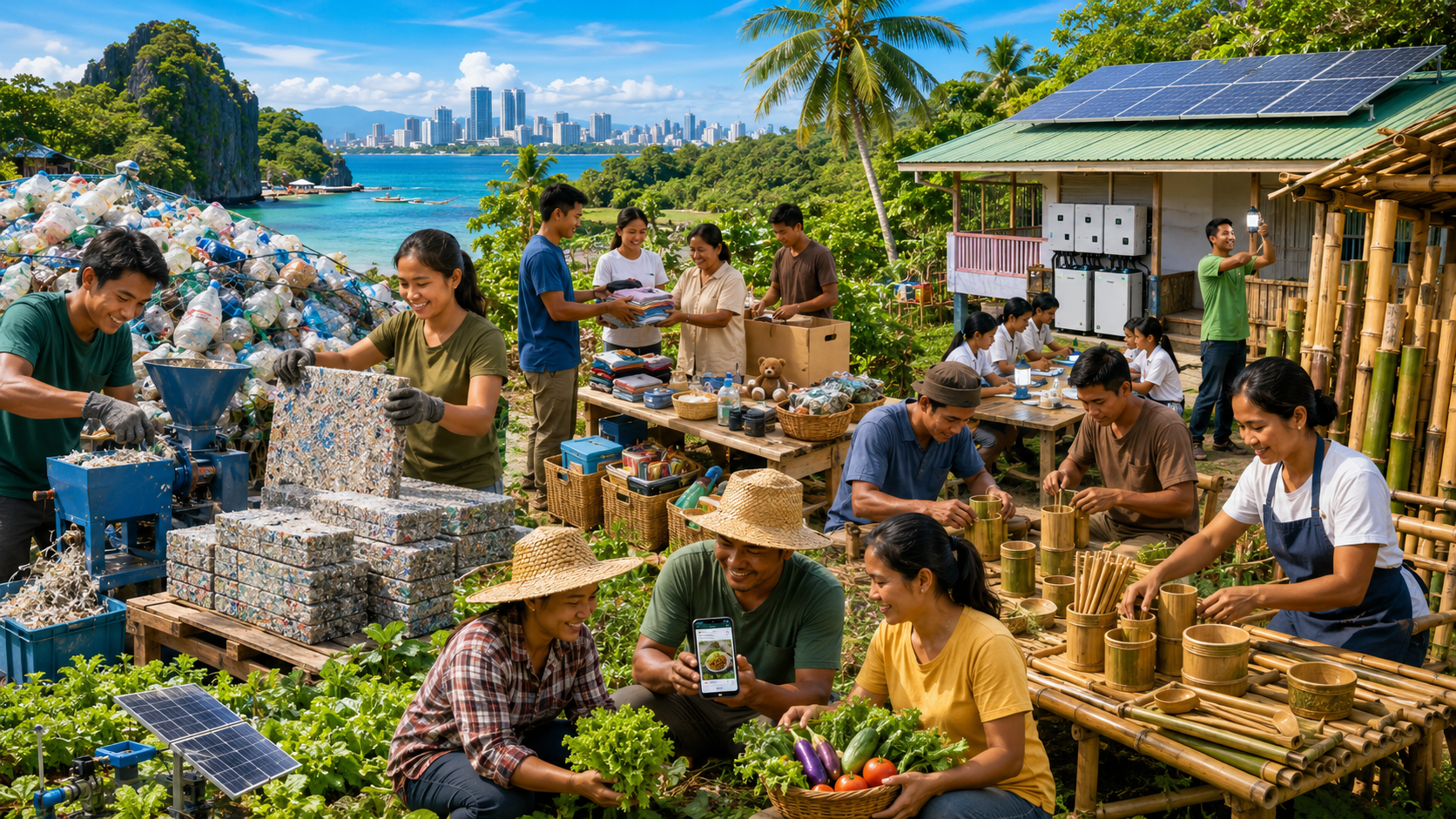
One of the most important themes in this sector is waste transformation. Green Antz Builders is an example of how innovation can turn an environmental problem into a useful product. By converting plastic waste into eco-friendly construction materials, the company helps reduce pollution while supplying materials for building projects. This approach supports a circular economy, where discarded items are reprocessed and returned to productive use instead of being dumped.
Another startup working within the circular economy is Humble Sustainability. Its platform helps companies manage excess inventory and usable surplus products. In many businesses, products are thrown away not because they are worthless, but because they are returned, overstocked, outdated in packaging, or difficult to redistribute through normal sales channels. A digital system that helps redirect these goods can reduce waste while creating value for businesses, buyers, and communities.
Bamboo-based innovation also has a strong place in the Philippine sustainability landscape. Companies such as Bambuhay focus on alternatives to plastic by using bamboo for everyday products. Bamboo grows quickly, can be cultivated locally, and can be made into items that replace disposable plastic goods. This kind of business is especially meaningful because it links environmental protection with livelihood creation. Farmers, artisans, and community workers can become part of the supply chain.
Agriculture technology is another area where environmental impact can be reduced. Many food losses happen before products even reach consumers. Poor logistics, unstable demand, and limited access to markets can cause fruits, vegetables, and other farm goods to spoil. Startups that connect farmers directly to buyers can help solve this issue. Digital ordering systems, route planning, and demand matching can reduce waste while helping farmers earn more fairly.
Clean energy solutions are also expanding. In an archipelagic country, providing reliable electricity to every community is difficult. Solar technology, battery systems, energy monitoring, and off-grid solutions can help reduce dependence on fossil fuels. These technologies are especially useful for rural schools, island communities, small businesses, and disaster-affected areas. Cleaner energy does not only reduce emissions; it also improves access to education, communication, healthcare, and livelihood opportunities.
The Philippine environmental startup ecosystem is still developing, but it has strong potential. The country has young entrepreneurs, active communities, rising climate awareness, and growing interest from businesses that want more sustainable operations. However, challenges remain. Many green startups need more funding, stronger infrastructure, clearer policies, and wider consumer support. Sustainable products and services must also remain affordable for ordinary Filipinos.
What makes these startups valuable is their ability to connect technology with local needs. They are not solving abstract environmental issues. They are addressing visible problems in cities, farms, coastlines, and communities. By combining innovation, social impact, and environmental responsibility, Philippine startups are helping build a future where economic growth and ecological care can move together.