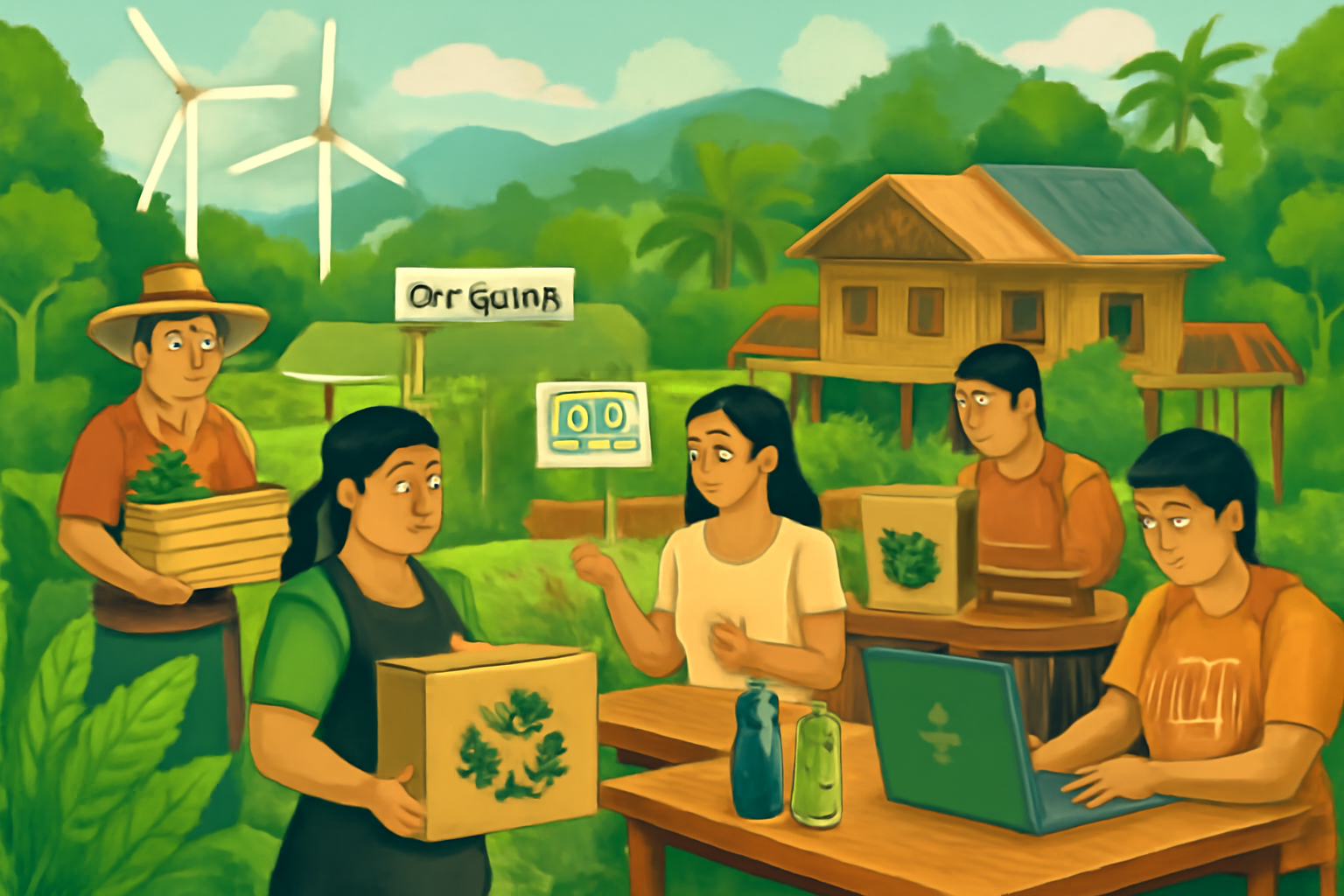

Agribusiness is one of the most practical sectors for Filipino entrepreneurs because it is tied to everyday demand. People need rice, vegetables, fruits, meat, fish, eggs, beverages, snacks, and processed food regardless of economic conditions. This constant demand gives agribusiness a strong foundation. At the same time, the sector is evolving, opening opportunities beyond traditional farming. Entrepreneurs can now participate through production, processing, logistics, branding, technology, and export development.
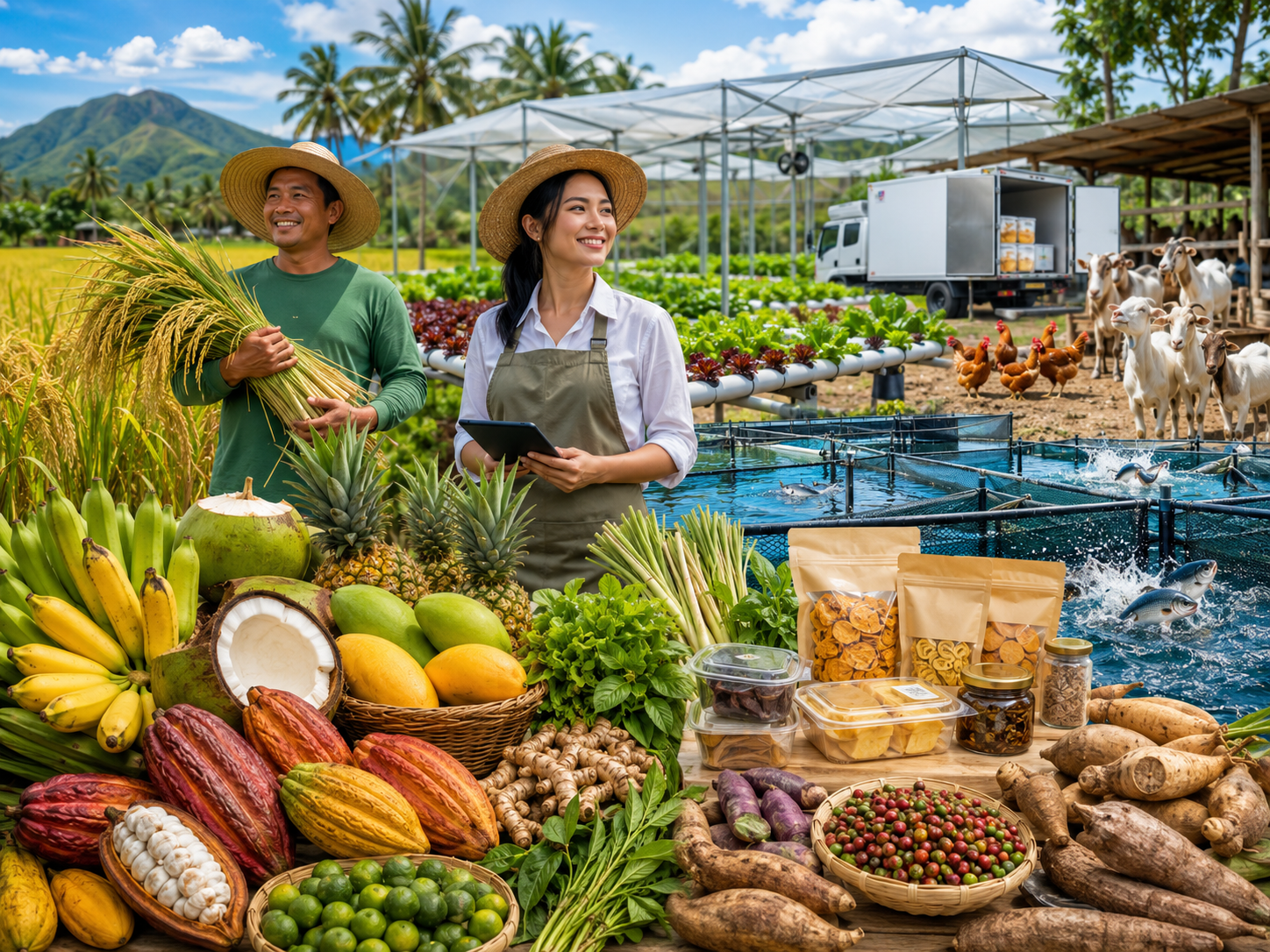
A strong opportunity lies in growing high-demand crops. The Philippines has favorable conditions for many tropical products, including mango, banana, pineapple, coconut, cacao, coffee, calamansi, and root crops. Vegetables and herbs are also attractive, especially when supplied to urban markets. Restaurants, hotels, cafés, supermarkets, and online grocery platforms need reliable suppliers. Entrepreneurs who can provide consistent quality, clean handling, and timely delivery can stand out from informal sellers.
Controlled farming methods can improve competitiveness. Hydroponics, greenhouse farming, net houses, and vertical farms allow entrepreneurs to produce vegetables and herbs with better protection from pests and weather. These systems are suitable for lettuce, basil, mint, kale, tomatoes, cucumbers, and other high-value crops. Although the startup cost can be higher, the ability to produce regularly and serve premium buyers can make the business worthwhile.
Another major opportunity is value-added food production. Many agricultural products become more profitable when processed. Mangoes can be dried or turned into puree. Bananas can become chips, flour, or snack products. Coconut can be made into oil, sugar, milk, or flour. Cacao can become tablea, cocoa powder, or artisan chocolate. Fish can be dried, smoked, frozen, or canned. Processing reduces waste, extends shelf life, and allows entrepreneurs to create branded products.
Packaging and branding play a major role in agribusiness success. A well-packaged product can sell for a higher price than an unbranded raw product. Clear labels, attractive design, nutritional information, and food safety compliance help build consumer trust. Entrepreneurs can sell through supermarkets, online shops, specialty stores, pasalubong centers, and business-to-business channels. Export opportunities may also become possible when products meet quality and regulatory standards.
Livestock and poultry remain important business options. Filipinos regularly consume chicken, pork, eggs, goat meat, and dairy products. Entrepreneurs can invest in broiler farms, layer farms, free-range chicken, goat raising, or meat processing. To succeed, they must manage feed costs, housing, waste disposal, vaccination, and disease prevention. A clear marketing plan is also necessary because price fluctuations can affect profitability.
Aquaculture is another sector with strong potential. Since the Philippines has abundant marine and freshwater resources, fish and seafood businesses can be attractive. Bangus, tilapia, shrimp, crab, mussels, and seaweed can be produced for local buyers and processors. Seaweed farming is especially useful because it supplies raw materials for food ingredients, cosmetics, and industrial products. Entrepreneurs can gain extra value by investing in cold storage, seafood processing, or direct delivery.
Agricultural services can also be profitable. Not every agribusiness requires owning farmland. Entrepreneurs can provide seeds, fertilizers, animal feeds, farm tools, irrigation systems, cold storage, trucking, equipment rental, or technical consulting. These services address common problems faced by farmers and can create steady income.
Technology offers another layer of opportunity. Online marketplaces, farm management apps, mobile payment systems, and data-based advisory services can help connect farmers with buyers and improve productivity. Entrepreneurs who solve distribution, pricing, and information gaps can create businesses with strong growth potential.
The best agribusiness ventures are built around real market needs. Filipino entrepreneurs should study buyers first, calculate production costs carefully, and build systems for quality control. With innovation, discipline, and strong partnerships, agribusiness can become a profitable path that also supports farmers, rural communities, and national food supply.