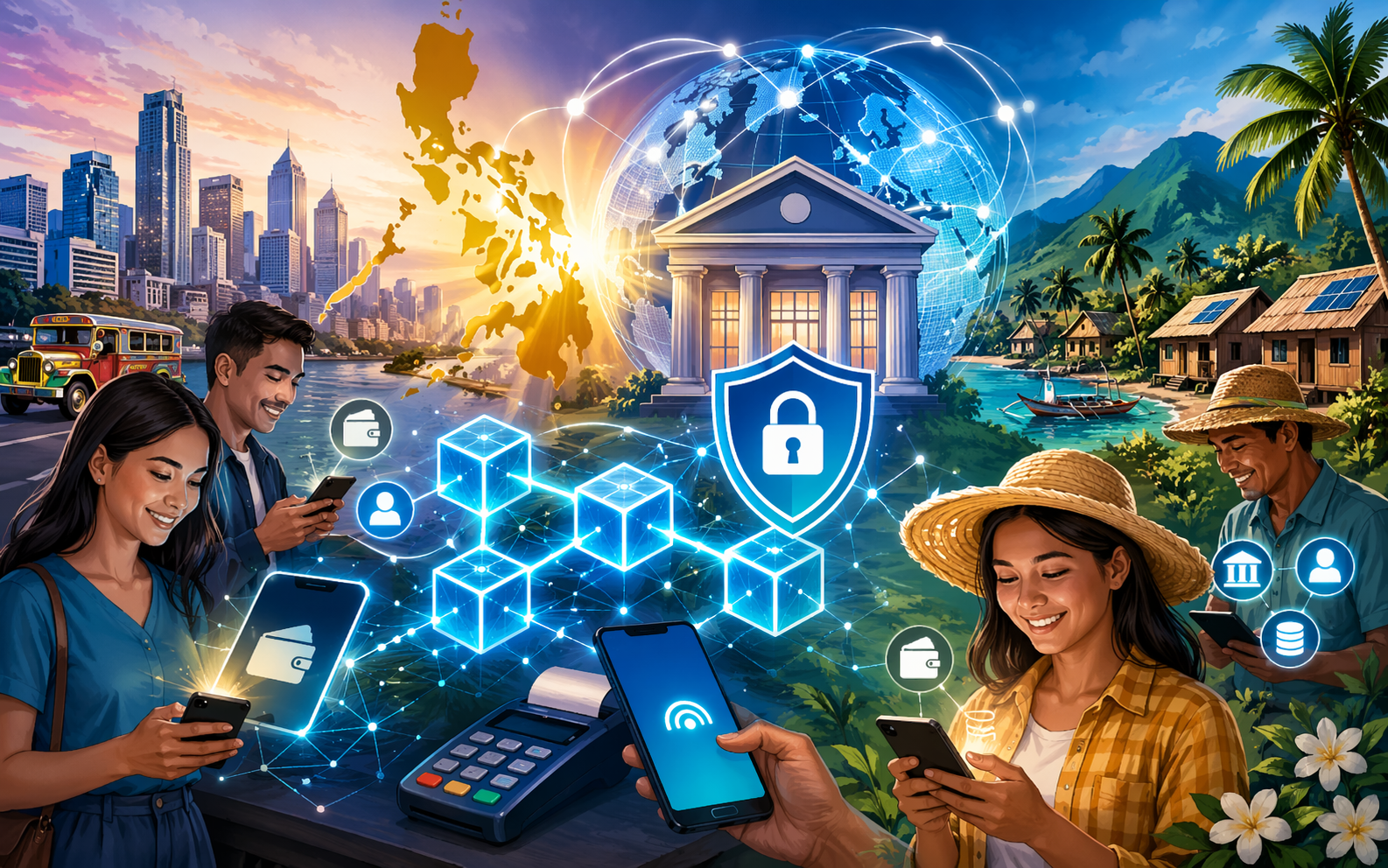
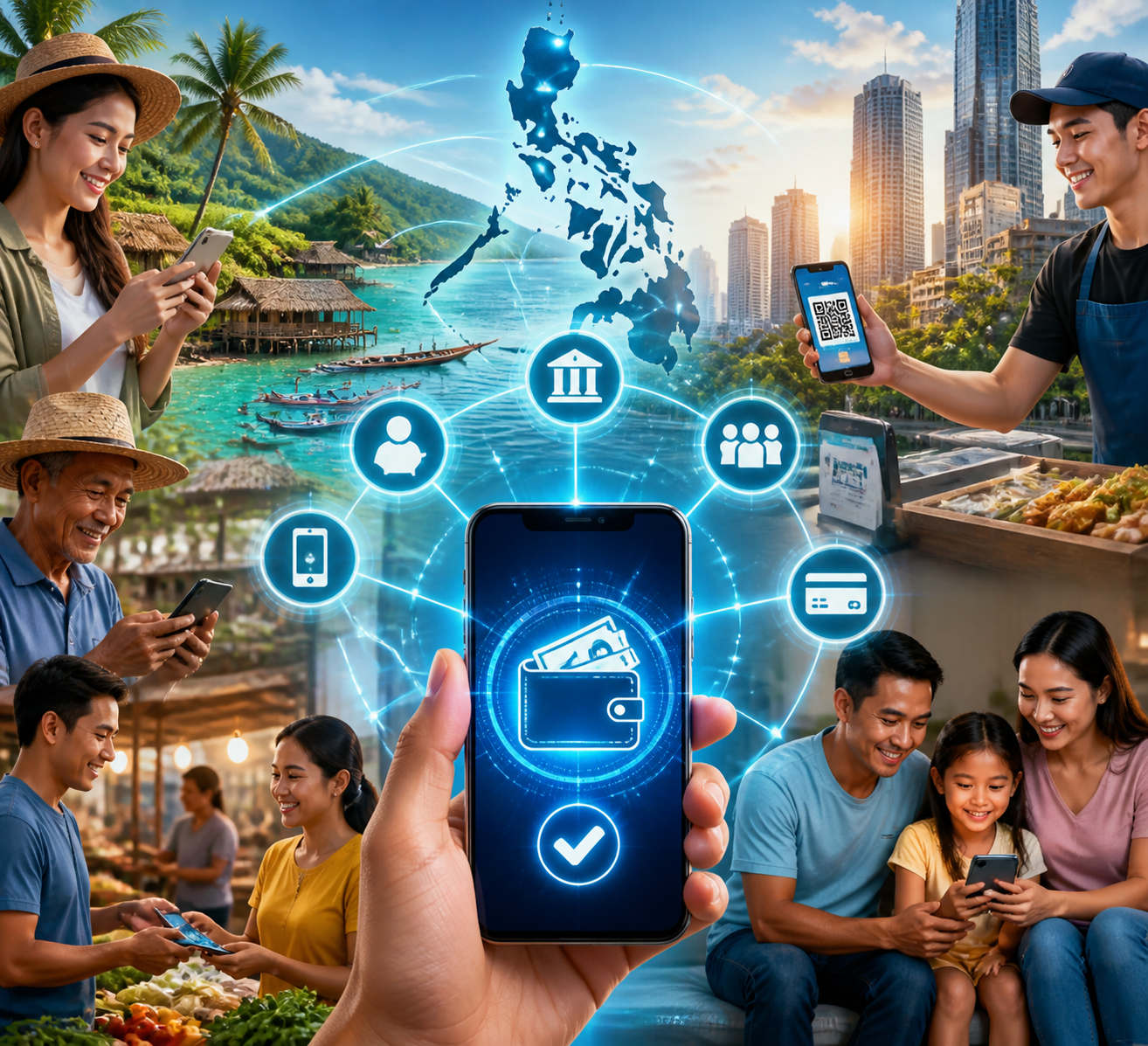
In the Philippines, digital payment systems have become a powerful tool in advancing financial inclusion and broadening access to essential financial services. For many Filipinos, traditional banking services are inaccessible due to geographical or socioeconomic barriers. However, the rise of digital platforms such as GCash, PayMaya, and Coins.ph has given millions of Filipinos the ability to manage their finances securely and efficiently through their mobile phones.
Digital payment systems have been particularly beneficial for individuals who are unbanked or underbanked. Many Filipinos living in rural areas or remote islands have never had access to a traditional bank branch, but mobile wallets and online payment platforms have removed these geographical barriers. Users can now access a variety of financial services, from sending remittances to paying utility bills, all without the need for a physical bank account.
The Philippine government has actively supported this digital transformation, particularly through the efforts of the Bangko Sentral ng Pilipinas (BSP). The BSP has set ambitious goals to increase the number of Filipinos using digital financial services, with the aim of having 50% of all financial transactions conducted digitally by 2023. This initiative is part of the larger strategy to create a more inclusive financial ecosystem where everyone has access to the tools they need to manage their money.
The COVID-19 pandemic has played a significant role in driving the shift toward digital payments. With social distancing measures in place, Filipinos quickly turned to cashless transactions for their everyday needs. Small businesses, which were often hesitant to adopt digital payment methods, began to embrace these platforms as a way to continue their operations during lockdowns. This mass adoption of mobile payments has shown the potential for digital payment systems to serve as a foundation for broader economic participation.
Digital payments have also made remittance transfers more efficient. The Philippines relies heavily on remittances from Overseas Filipino Workers (OFWs), and digital platforms have made it easier for families to receive money. These platforms allow OFWs to send funds directly to their family members’ mobile wallets, reducing the costs and wait times typically associated with traditional remittance channels.
With more Filipinos adopting digital payments, the country is witnessing a shift toward a cashless society. This transformation promises greater financial inclusion, increased economic activity, and a more efficient financial system. Digital payments are not only making financial services more accessible but are also helping shape the future of the Philippine economy.