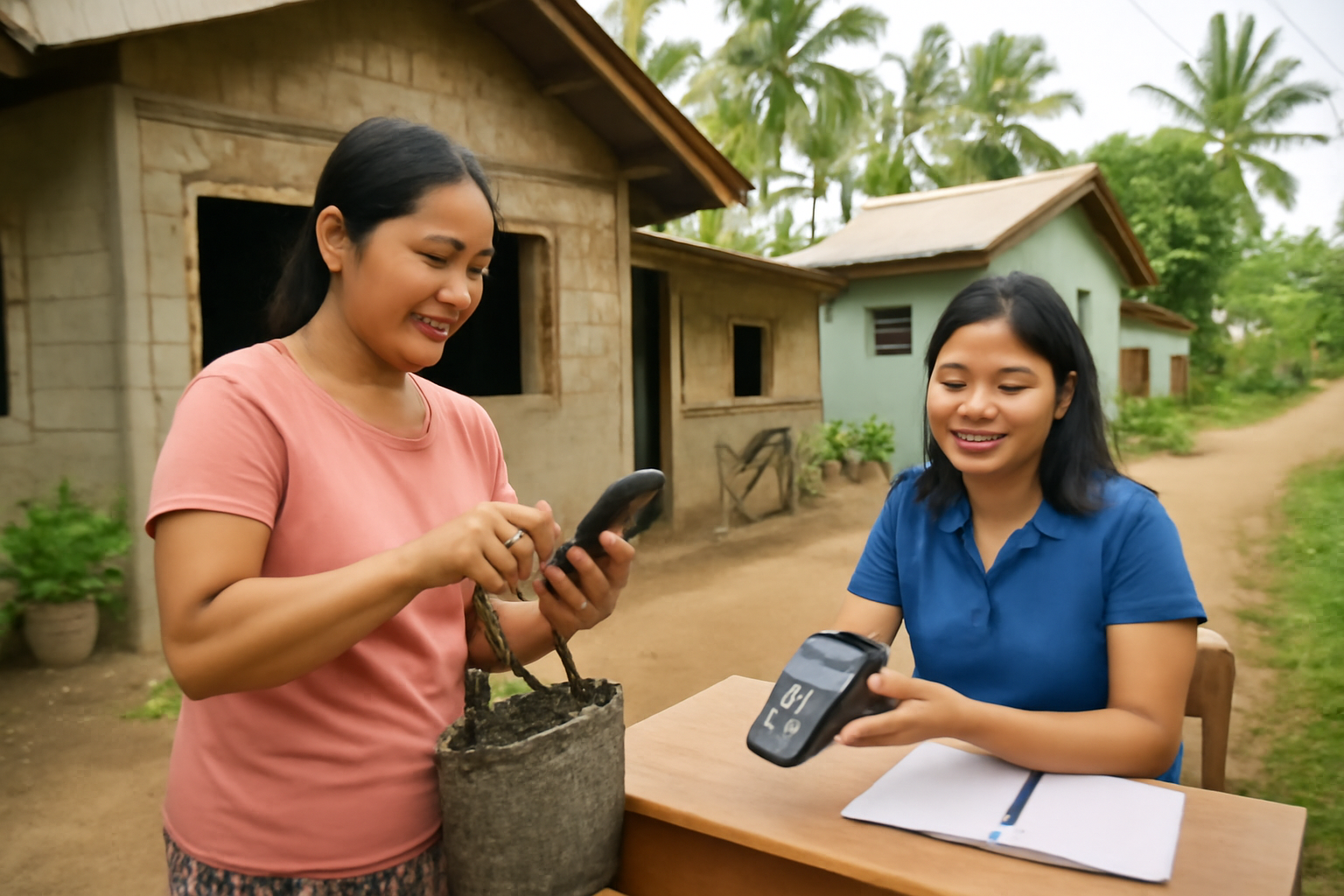


In the Philippines, MSMEs are a vital part of national and local economic life. They include sari-sari stores, food businesses, service providers, small manufacturers, traders, and many other enterprises that support jobs and community income. Although they are dynamic and resilient, MSMEs often encounter barriers that prevent steady growth. Among the most significant is limited access to affordable and dependable financing. Philippine banks help address this issue by providing financial solutions that support operations, expansion, and stronger money management.
For many MSMEs, the first major need is funding for daily business activity. Sales may be steady, but expenses such as inventory, rent, utilities, and wages must be paid on time. When cash inflows do not perfectly match these obligations, a bank loan or credit facility can make a major difference. Working capital products are especially useful in these situations because they provide short-term support for ongoing operations. Without access to this type of financing, many businesses become overly dependent on expensive informal loans.
Longer-term borrowing is just as important for enterprises planning to grow. A business may want to renovate its location, purchase new machinery, add more vehicles, or open a second branch. These investments usually require more money than the business can generate immediately. Through structured repayment terms, banks allow MSMEs to pursue expansion while keeping payments manageable. This makes growth more realistic and less disruptive to normal operations.
Banks also provide practical tools that improve financial organization. Business accounts, online banking, fund transfer services, payment collection systems, and payroll solutions all contribute to more efficient operations. For smaller enterprises, adopting these tools can reduce manual work, improve transparency, and help owners monitor financial activity more closely. This is especially useful in an environment where speed, convenience, and digital transactions are becoming standard expectations.
Another important area is support for trade and supplier relationships. MSMEs that buy goods in bulk, import materials, or sell to larger institutions often deal with complex payment arrangements. Bank services such as trade-related facilities and payment guarantees can help reduce uncertainty and improve transaction security. This support enables smaller firms to participate more confidently in formal supply chains and broader commercial networks.
A less visible but equally important role of banks is helping businesses build financial discipline. To obtain financing, banks usually ask for registration papers, financial statements, account history, and proof of business income. While these requirements may seem difficult at first, they encourage MSMEs to become more organized. Businesses that maintain proper records, follow tax requirements, and separate personal and company finances are not only more likely to receive loans; they are also better prepared to manage growth responsibly.
Still, not every bank is the same. MSME owners should assess whether a bank offers suitable products, fair terms, useful digital services, and responsive customer support. A strong banking partner should understand the cash flow realities of smaller businesses and provide options that match their scale and capacity. The relationship should be practical and sustainable, not merely transactional.
Philippine banks are therefore more than lenders. They are part of the support system that allows MSMEs to become stronger, more efficient, and more competitive. With the right financing tools and banking guidance, small and medium enterprises can improve resilience, seize new market opportunities, and build a more secure foundation for future growth.