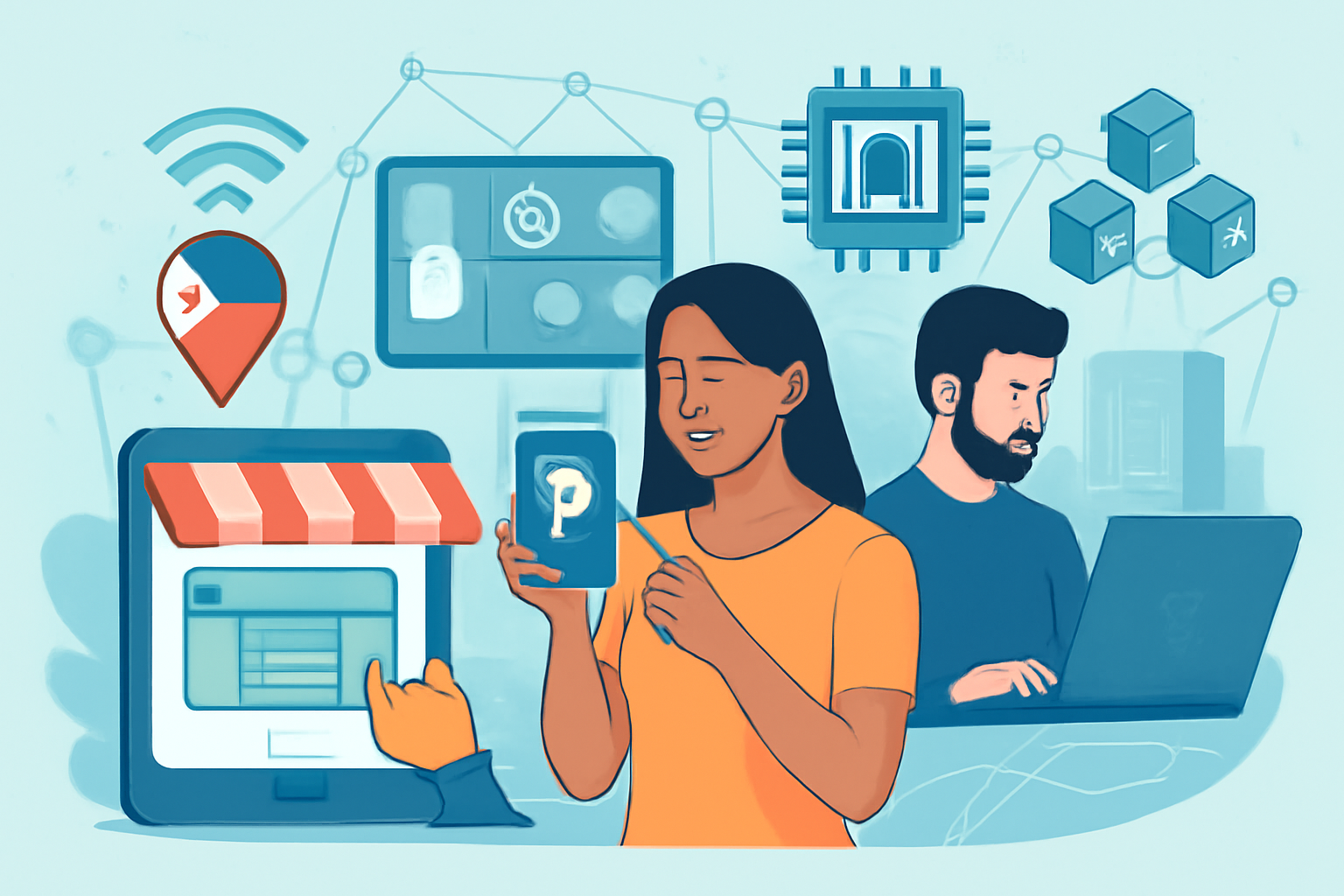

IoT technology is playing a strategic role in the evolution of startups in the Philippines. At its core, the Internet of Things connects physical devices to digital systems, allowing them to collect, share, and process data automatically. For startups, this means more than modernizing operations. It means gaining the ability to build services that are smarter, more responsive, and better aligned with the everyday realities of the Philippine market.
Startups in the Philippines often work under conditions that demand efficiency and adaptability. The country’s archipelagic geography, uneven infrastructure, and diverse economic landscape create business challenges that traditional systems do not always solve well. IoT gives startups the tools to work around these limitations. By using connected sensors and automated devices, businesses can observe operations from multiple locations, identify inefficiencies, and react with greater accuracy.
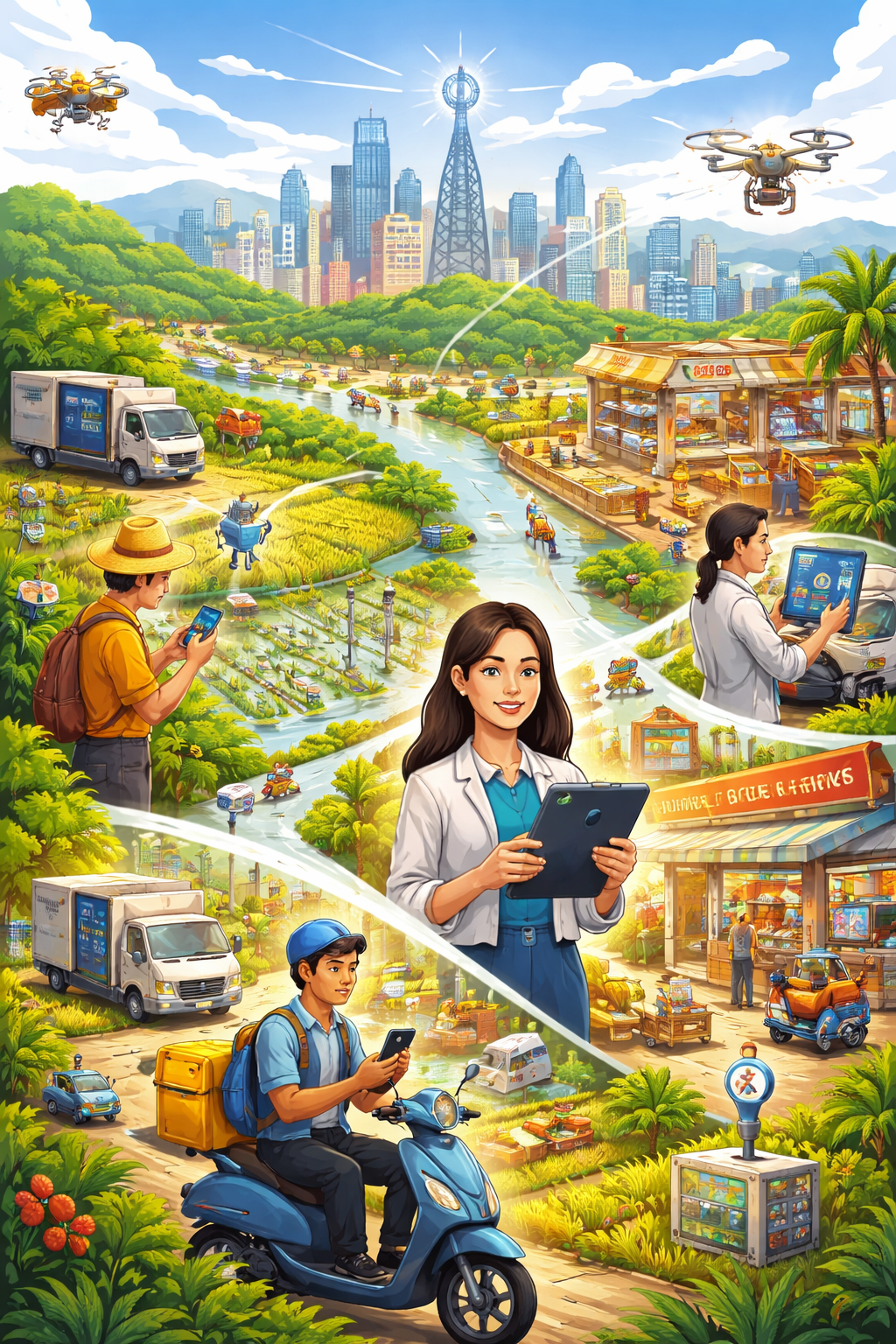
One area where IoT has clear strategic value is logistics. Startups dealing with transport and delivery need visibility over vehicles, inventory, and shipment conditions. IoT technologies such as route trackers, vehicle sensors, and smart tags provide this visibility in real time. Companies can reduce fuel waste, improve delivery schedules, and respond quickly when disruptions occur. In sectors like e-commerce and food distribution, these improvements can determine whether a startup keeps customers satisfied or loses them to competitors.
The agricultural sector presents another strong use case. Many Filipino farmers still depend on manual judgment for irrigation, fertilization, and pest control. Startups are changing this by offering IoT-based solutions that measure environmental conditions and send alerts directly to farmers’ phones. This helps reduce unnecessary resource use while improving crop performance. Since agriculture remains important to livelihoods across the Philippines, startups that bring affordable smart farming tools have the potential for wide social and commercial impact.
IoT is also influencing how startups approach public health and medical care. Through wearable trackers, connected diagnostic tools, and home-based monitoring devices, startups can provide better support for patients without requiring frequent in-person visits. This is especially meaningful in underserved communities where healthcare access is limited. With IoT, startups can help doctors monitor long-term conditions, support treatment compliance, and detect warning signs earlier. The result is not only operational innovation but also improved quality of care.
In retail and service industries, IoT enables more intelligent business management. Startups can monitor stock levels, customer movement, machine usage, and environmental conditions inside stores or facilities. This allows better planning, lower losses, and more personalized service delivery. The data collected through connected systems can also inform product development, marketing strategies, and pricing decisions.
From an investment and scaling perspective, IoT strengthens startup credibility. Businesses that rely on measurable data are often better positioned to show traction, operational control, and long-term potential. Investors are more likely to support ventures that can demonstrate efficiency gains and market relevance through actual usage patterns. IoT helps founders turn operations into a source of evidence, not just intuition.
Still, successful implementation requires overcoming several issues. The cost of hardware, the need for strong internet connectivity, and concerns about cybersecurity remain significant barriers. Startups must also manage data responsibly and develop systems that users can trust. Technical expertise is another important factor, since IoT solutions often require integration across software, hardware, cloud platforms, and analytics.
Despite these constraints, IoT continues to shape the future of Filipino startups in meaningful ways. It helps young companies create practical solutions for transportation, farming, healthcare, commerce, and sustainability. More importantly, it supports a style of entrepreneurship that is data-based, scalable, and focused on solving real local problems through connected technology.