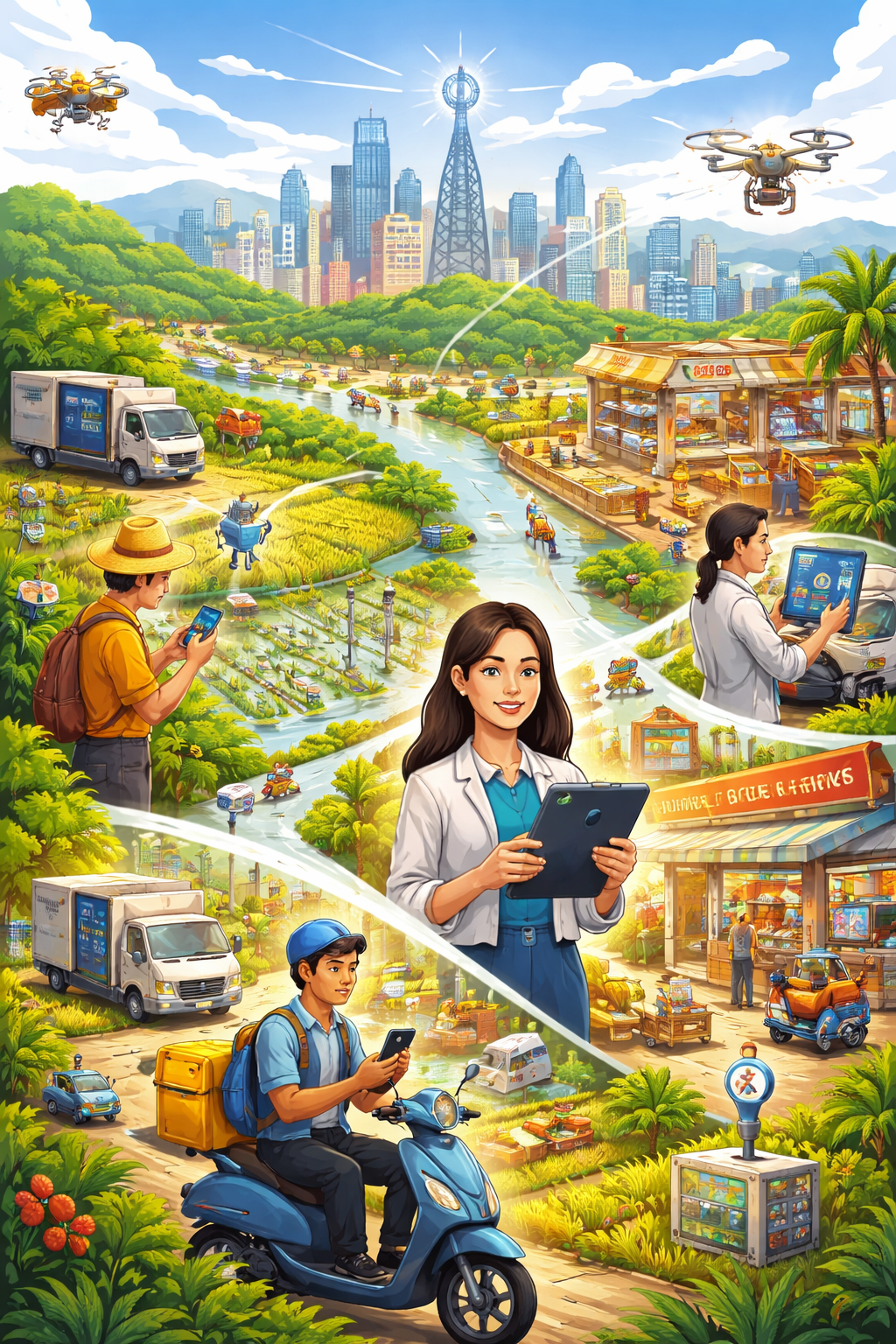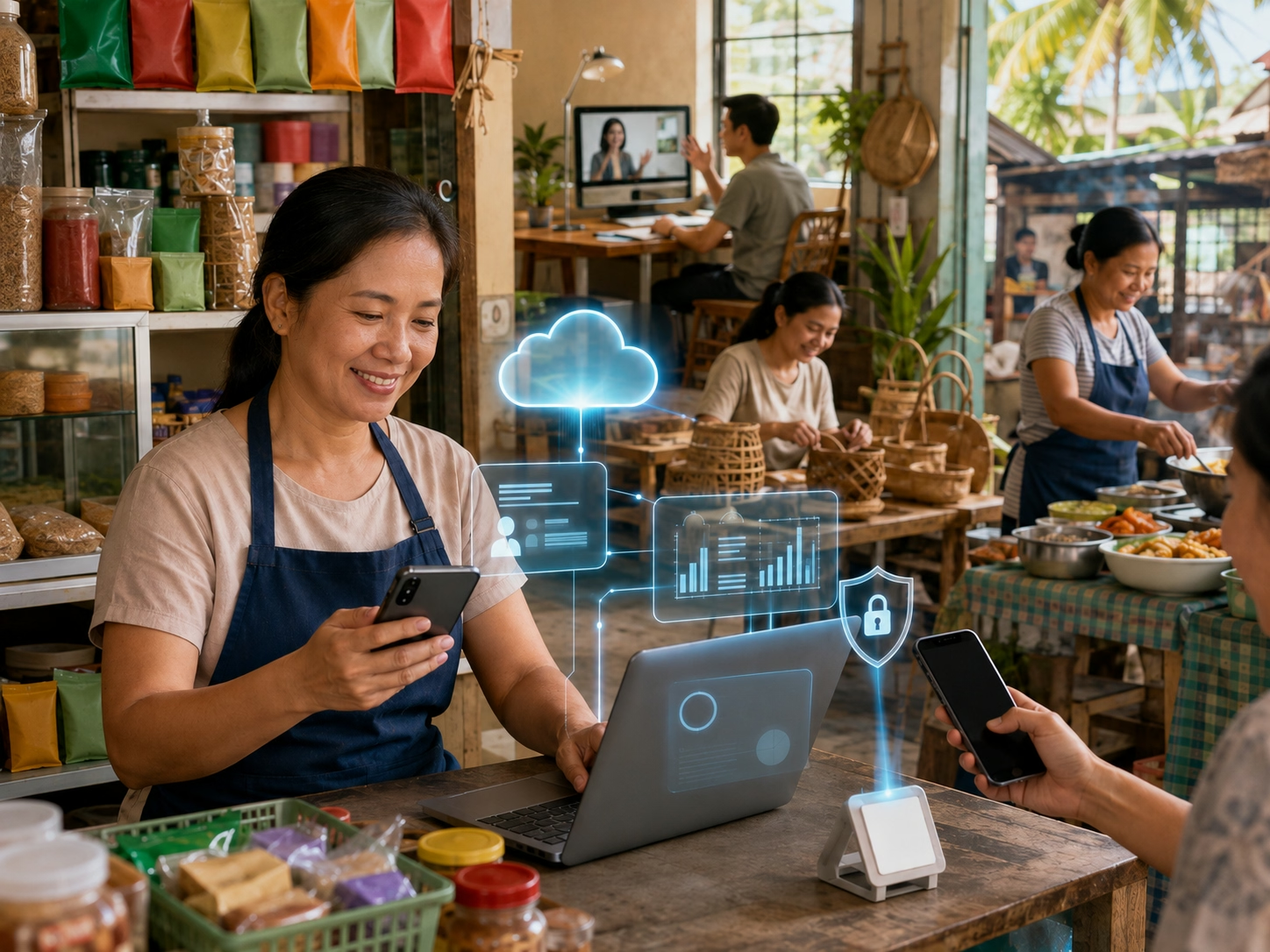

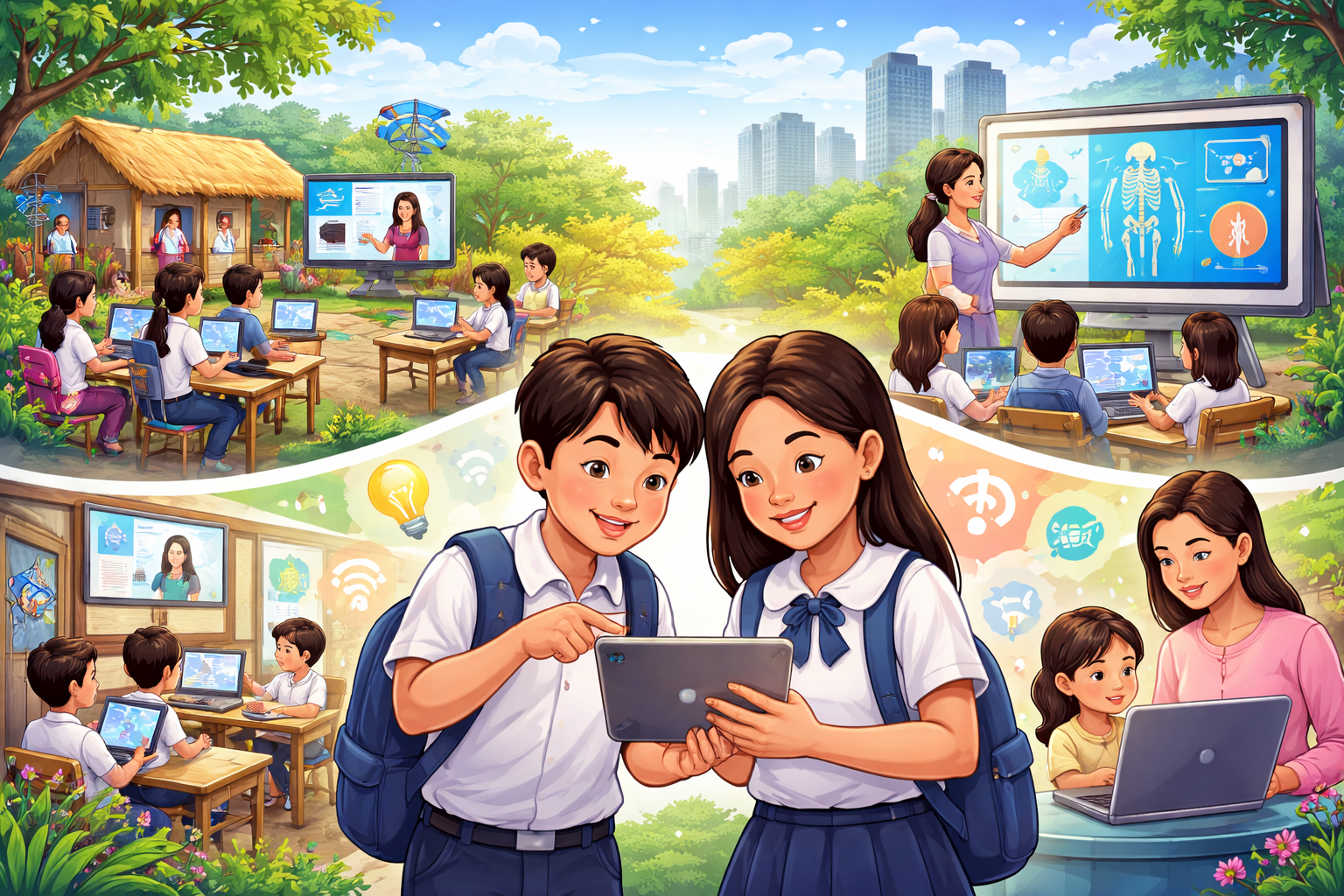
The Philippine education system is undergoing a significant transformation, with technology playing an increasingly important role in enhancing the learning experience for students across the country. From improving access to education to providing new ways for students to interact with learning materials, technology is helping to address the challenges facing the sector.
A key benefit of technology in education is its ability to bridge gaps in access to quality learning, particularly for students in underserved and rural areas. Many regions in the Philippines have long faced difficulties in accessing qualified teachers and educational resources, limiting the opportunities for students to achieve academic success. With the advent of online learning platforms, students can now access digital lessons and educational content that were previously unavailable to them. This has helped democratize education, allowing students in remote areas to benefit from the same educational resources as those in urban centers.
For urban students, technology has brought new levels of interactivity and engagement to the classroom. The use of educational apps, multimedia content, and interactive digital platforms has made learning more engaging and enjoyable. Subjects such as mathematics, history, and language arts are now being taught with the aid of visual aids, simulations, and interactive quizzes that encourage active participation. This shift has made it easier for students to grasp difficult concepts and retain information.
Additionally, technology in education has facilitated personalized learning. Students can now learn at their own pace through digital platforms that adapt to their individual needs and learning styles. This personalized approach helps students master topics more effectively, reducing the likelihood of falling behind or becoming disengaged with the material.
Teachers, too, benefit from technology in education. Through digital tools and online professional development programs, educators are able to improve their skills and stay updated with the latest trends in teaching and learning. Teachers can collaborate with peers, access teaching resources, and use digital tools to create more engaging and effective lessons for their students.
However, challenges remain in fully realizing the potential of technology in education. Internet connectivity is still a significant issue, particularly in rural areas where broadband access is limited. This lack of reliable internet access makes it difficult for students in remote regions to participate in online learning. Furthermore, many families struggle with the cost of devices such as smartphones, laptops, and internet subscriptions, creating a digital divide between wealthier and poorer students.
The Philippine government has made efforts to address these issues by improving internet infrastructure and providing subsidies to help students access the technology needed for online learning. Initiatives like the “DepEd Commons” platform, which offers free access to educational resources, are part of the broader effort to make education more accessible to all Filipinos, regardless of their socioeconomic status.
The integration of technology in the Philippine education system holds great promise for the future. As the country continues to address the challenges of internet access and device affordability, the role of technology in education will only become more significant, providing a foundation for a more inclusive and effective educational system.