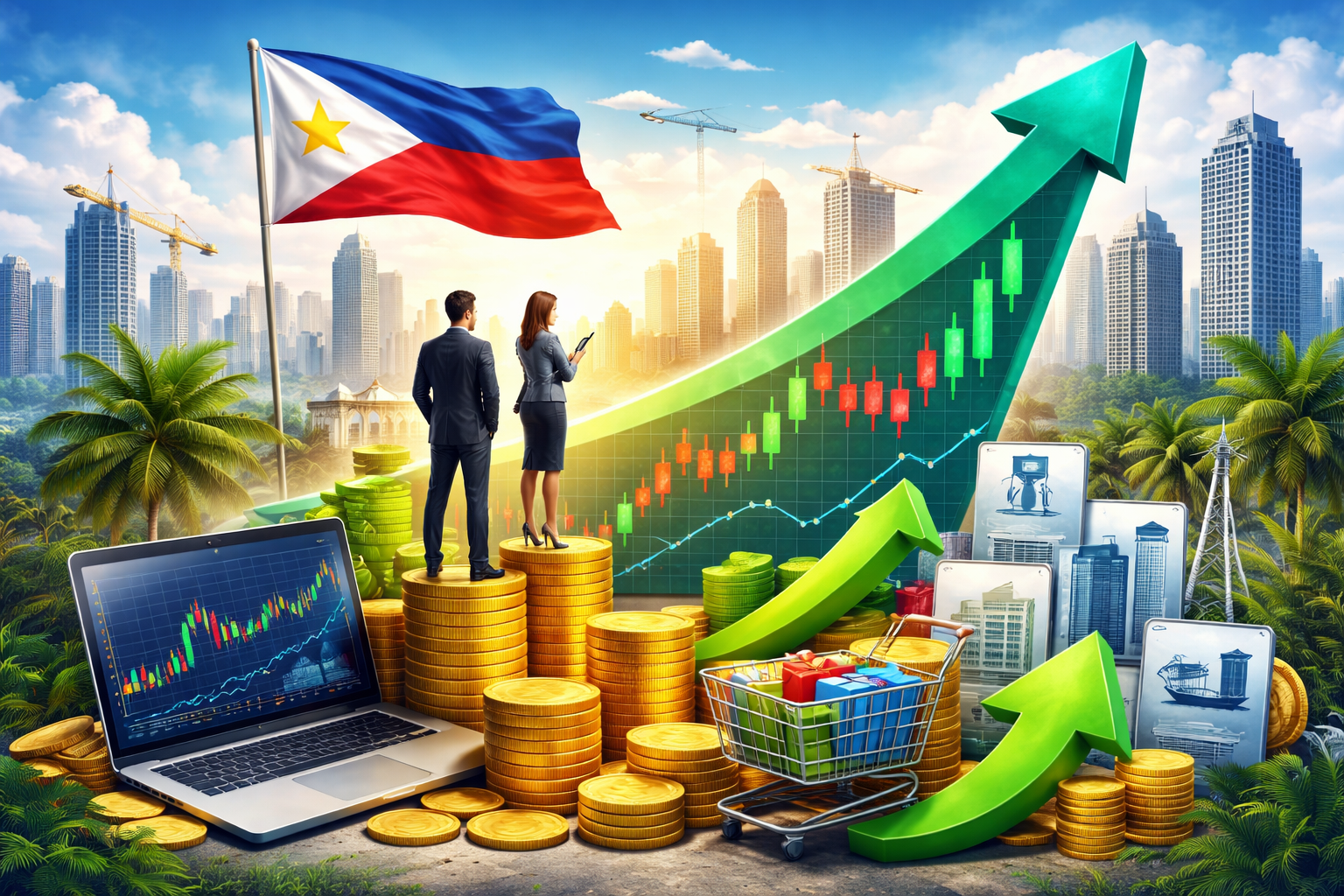

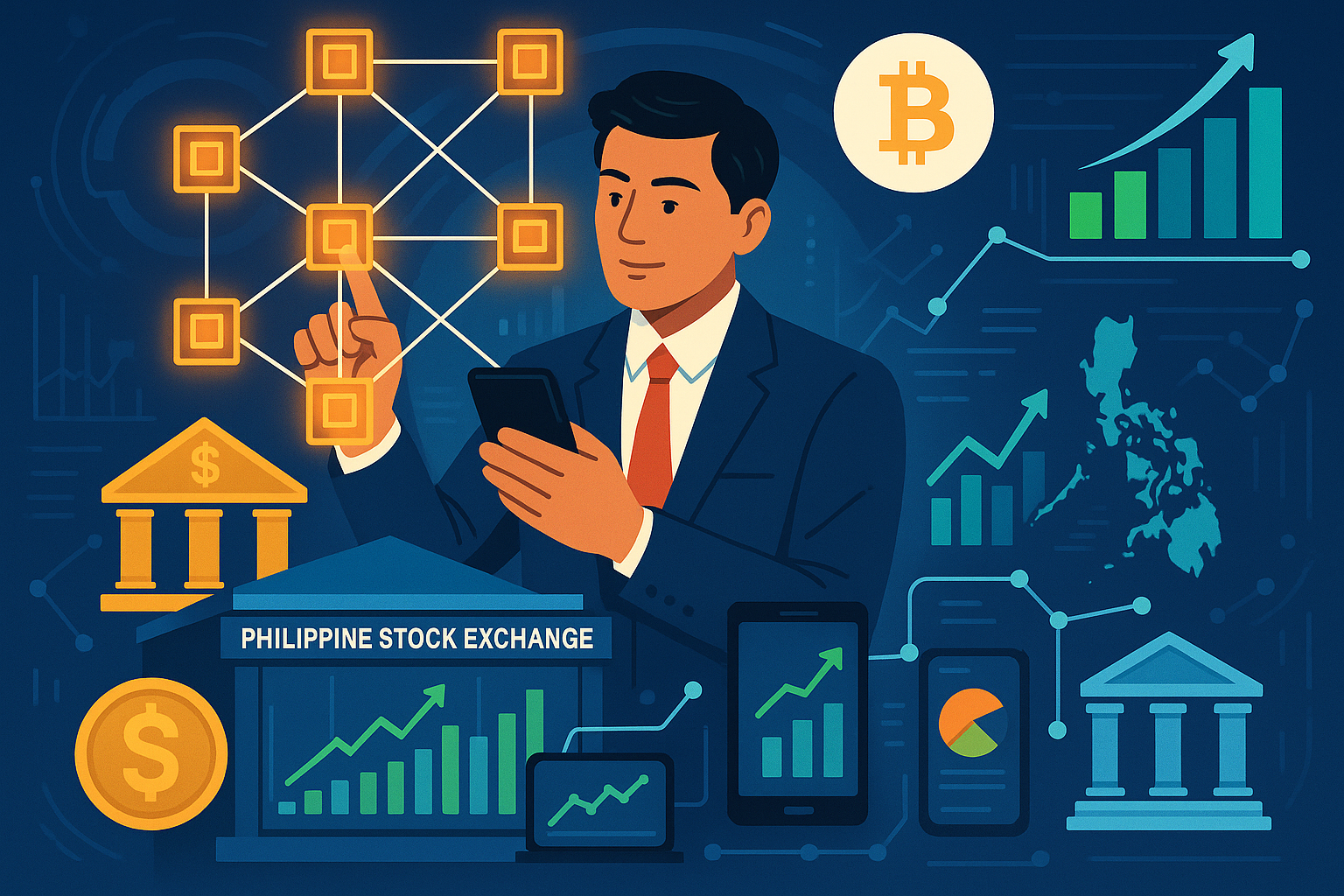
Technology has already transformed how Filipinos trade stocks, but the next wave of innovation may alter the very structure of the market itself. Emerging technologies such as blockchain, digital assets, and open banking have the potential to reshape capital formation, cross-border investing, and transparency in the Philippine stock market.
One area of growing interest is the use of distributed ledger technology to improve record-keeping and settlement. In a blockchain-based system, ownership records and transactions can be stored in a secure, tamper-resistant ledger shared among authorized participants. This could reduce reconciliation errors, speed up settlement, and provide regulators with an auditable trail of activity. While traditional systems still dominate today, pilot projects and global experiments suggest a possible path for future upgrades in the Philippines.
Tokenization is another concept that could impact the local market. By representing shares or other assets as digital tokens, it might become easier to enable fractional ownership, allowing investors to buy smaller portions of high-priced stocks or property-backed securities. This could further democratize participation, particularly for younger or lower-income investors who find large minimum investments prohibitive. Regulatory clarity and investor protection will be critical in this space.
Digital assets and their relationship with traditional securities are also part of the evolving landscape. While cryptocurrencies and related products remain highly volatile and subject to regulatory scrutiny, the underlying technology and investor interest push market players to explore new offerings. Exchanges and brokers in the Philippines may eventually integrate more seamless interfaces between conventional stock trading and regulated digital asset markets, provided a strong legal framework is in place.
Open banking and data-sharing initiatives can enhance personalization in investing services. With client permission, financial institutions and fintech platforms can aggregate data across bank accounts, investment portfolios, and payment apps. This holistic view enables more tailored recommendations, risk assessments, and goal-based strategies for stock market participation. For example, an app could automatically suggest investing surplus cash into a diversified basket of Philippine equities aligned with a user’s financial plan.
Cross-border connectivity is another frontier. As ASEAN economies deepen financial integration, there may be more opportunities for links between the Philippine Stock Exchange and neighboring markets. Technology makes it easier to create platforms where investors can access multiple regional exchanges from a single interface, with currency conversion and regulatory compliance handled in the background. This greater integration could boost liquidity, attract foreign capital, and provide Filipino investors with broader diversification options.
However, the path forward is not without obstacles. Cybersecurity risks grow as systems become more interconnected and complex. Regulators must continually update rules to keep pace with innovation without stifling it. Market participants need ongoing education about both the opportunities and dangers of new products and technologies. Digital inclusion also remains a central concern; without reliable internet and affordable devices, many Filipinos may be left on the sidelines of these advances.
Ultimately, the future of the Philippine stock market will be shaped by how effectively technology is harnessed to serve real economic needs: helping companies raise capital, enabling citizens to build wealth, and maintaining fair, transparent markets. If stakeholders—regulators, exchanges, brokers, fintech firms, and investors—work together, technology can act as a bridge toward a more inclusive and dynamic financial system, rather than a barrier that benefits only a small group.