

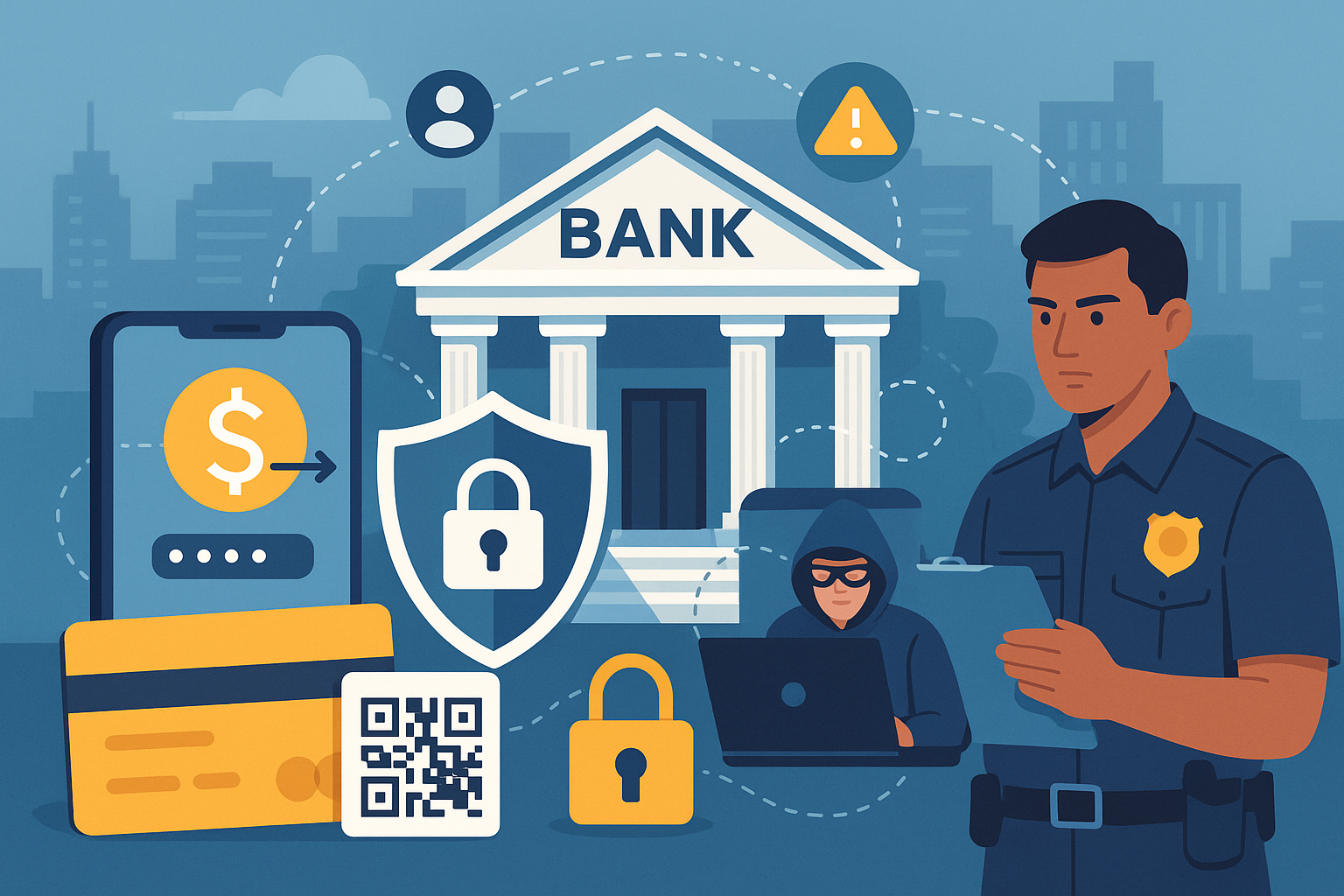
The Philippine banking sector stands at a crossroads where digital innovation and cyber risk intersect. As banks roll out more online services, partner with fintech companies, and explore new technologies, they must also anticipate how attackers will adapt. Understanding emerging trends and setting strategic priorities today will determine how resilient the sector remains in the years ahead.
One significant trend is the increasing digitization of payments. Real-time transfer systems, QR-based payments, and mobile wallets have become commonplace. While these services enhance convenience and financial inclusion, they also give criminals more channels to exploit. Fraudsters may attempt account takeovers, SIM swapping, or social engineering schemes that target the speed of real-time payments, hoping that funds will move before anomalies are detected.
Another development is the expansion of open banking and application programming interfaces (APIs). As banks allow third-party providers to access customer data or initiate transactions—with the customer’s consent—API security becomes critical. Poorly designed or inadequately protected APIs can expose sensitive information or allow unauthorized actions. Philippine banks embracing open banking concepts need robust authentication, rate limiting, and input validation, as well as continuous monitoring for unusual API usage patterns.
The regulatory environment is also evolving. BSP and other authorities continue to refine guidelines to address new technologies and threats. Financial institutions can expect more emphasis on cyber resilience, including requirements for regular penetration testing, red teaming, and business continuity planning that specifically address cyber incidents. The integration of cybersecurity into enterprise risk management frameworks is likely to deepen, with boards increasingly demanding clear metrics and reporting on security posture.
From a strategic perspective, threat intelligence is becoming a priority. Instead of reacting to incidents in isolation, banks are looking to proactively gather information about attacker tools, tactics, and indicators of compromise. Participating in information-sharing groups, collaborating with law enforcement, and subscribing to reputable threat feeds can help institutions update their defenses more effectively and recognize broader campaigns targeting the financial sector.
Talent and capacity building remain persistent challenges. The demand for skilled cybersecurity professionals often exceeds supply, both globally and in the Philippines. Banks are responding by developing internal talent pipelines, supporting staff through certifications, and creating clear career paths within security functions. Some institutions adopt hybrid models where core strategic activities are kept in-house while certain monitoring or specialized functions are handled by trusted external partners.
Technology priorities are also shifting toward greater automation and integration. Security orchestration and automated response capabilities help banks deal with the high volume of alerts generated by modern tools. For example, when unusual login activity is detected, systems can automatically trigger additional verification, flag the account for review, or temporarily restrict access until the risk is assessed. This reduces response times and limits the window of opportunity for attackers.
Privacy expectations from customers are rising as well. With the Data Privacy Act as a legal foundation, Philippine consumers are becoming more aware of their rights and more sensitive to how their information is used. Banks that can demonstrate strong data protection, transparent practices, and swift, responsible handling of incidents are likely to gain a competitive advantage in trust.
In this dynamic landscape, cybersecurity is no longer a supporting function; it is a strategic enabler. Philippine banks that invest thoughtfully in technology, people, and governance will be better equipped to embrace innovation without compromising safety. By keeping an eye on emerging threats, regulatory shifts, and customer expectations, the sector can continue to grow digitally while maintaining the integrity and reliability that are essential to financial systems.