

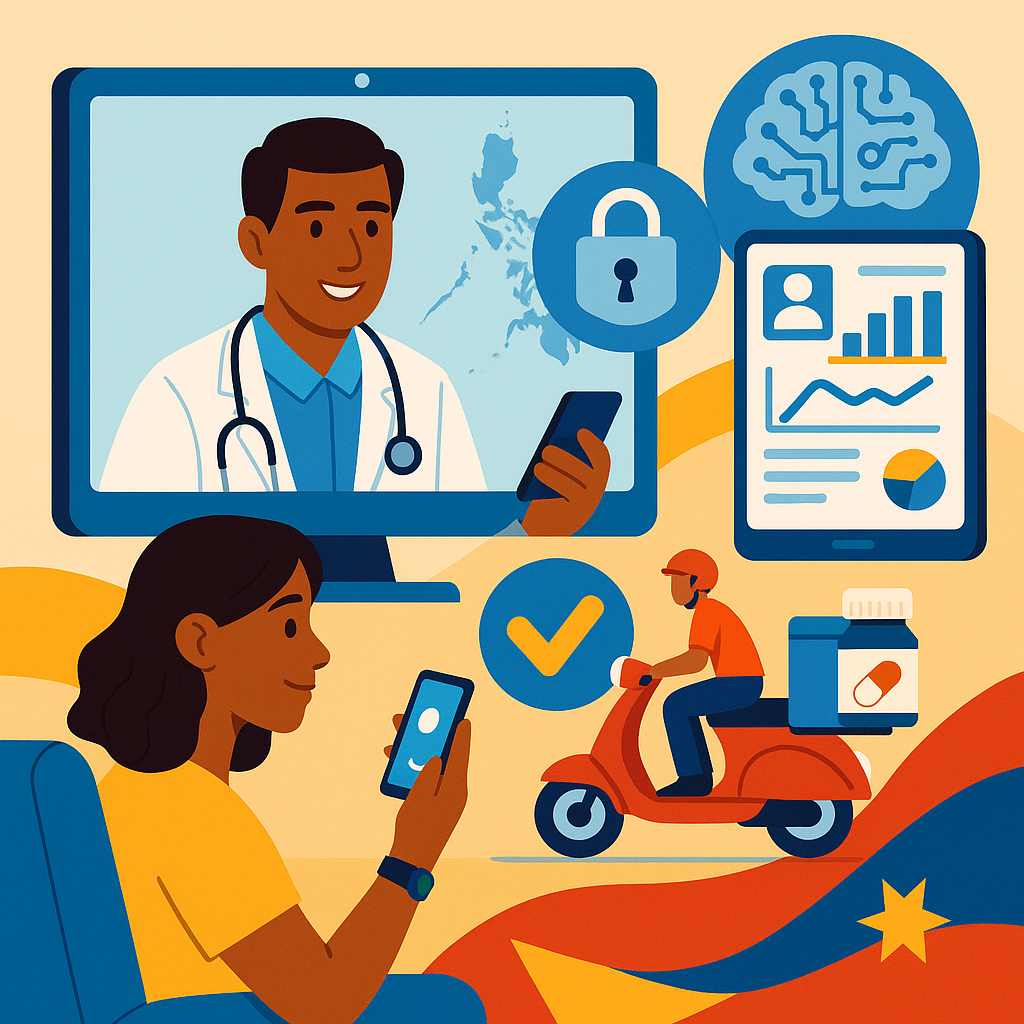
Digital innovation is rapidly changing many industries in the Philippines, and healthcare is no exception. Health technology startups are stepping into a system that has been under pressure for years, offering tools that improve access, efficiency, and transparency. Their work combines medical expertise with software development, user experience design, and an understanding of local realities.
One of the most visible shifts is the adoption of online doctor consultations. Filipino startups have built platforms where users can easily register, describe their symptoms, upload previous test results, and choose their preferred consultation channel—chat, audio, or video. For minor illnesses, prescription refills, and ongoing management of chronic conditions, these services can be more convenient than in-person visits. Doctors, in turn, gain flexible ways to reach patients outside traditional clinic walls.
At the same time, digital pharmacy and logistics platforms are creating more reliable access to medicines. By combining verified suppliers, centralized ordering, and courier networks, they reduce the friction patients often encounter when filling prescriptions. Many platforms emphasize authenticity and proper handling, which is essential for building trust. Some also offer over-the-counter health products, supplements, and basic medical devices, making them a one-stop shop for home health needs.
In the background, data platforms and clinical software are making healthcare operations smarter. Electronic health record startups help clinics store and retrieve patient information securely, reducing the risk of lost files and conflicting records. Scheduling and billing modules can be added on top, giving healthcare providers a unified system. A few companies are venturing into analytics, enabling facilities to spot trends in patient volume, common diagnoses, or resource use.
Emerging solutions in AI, remote monitoring, and diagnostics are also beginning to appear. Wearable-based systems and mobile apps can track vital signs or symptoms and alert patients when readings are out of range. AI-assisted diagnostic tools, particularly in imaging, help clinicians process larger caseloads with greater confidence. While still in early stages, these technologies showcase how the Philippine healthtech sector is willing to experiment at the cutting edge.
To support all this, innovative payment and insurance models are being explored. Some startups integrate with e-wallets and digital banks to enable cashless clinic visits or pharmacy orders. Others focus on distributing affordable health plans and microinsurance through mobile apps or employer partnerships. The goal is to reduce the financial shock of illness and encourage people to seek care earlier.
Of course, growth comes with responsibilities. Healthtech startups in the Philippines must prioritize cybersecurity and strict adherence to data protection laws to safeguard sensitive information. They also need to be transparent about what digital tools can and cannot do, educating users about when to escalate to emergency or in-person care. Building trust with both patients and healthcare professionals is just as important as building sophisticated technology.
Looking ahead, health technology innovation in the Philippines is likely to deepen its role in everyday life. As more Filipinos grow comfortable transacting online and as infrastructure improves, digital health services can move from being optional add-ons to becoming integral elements of standard care. With continued collaboration between startups, healthcare institutions, and regulators, the country has a real opportunity to create a more inclusive, efficient, and patient-centered healthcare system powered by homegrown innovation.