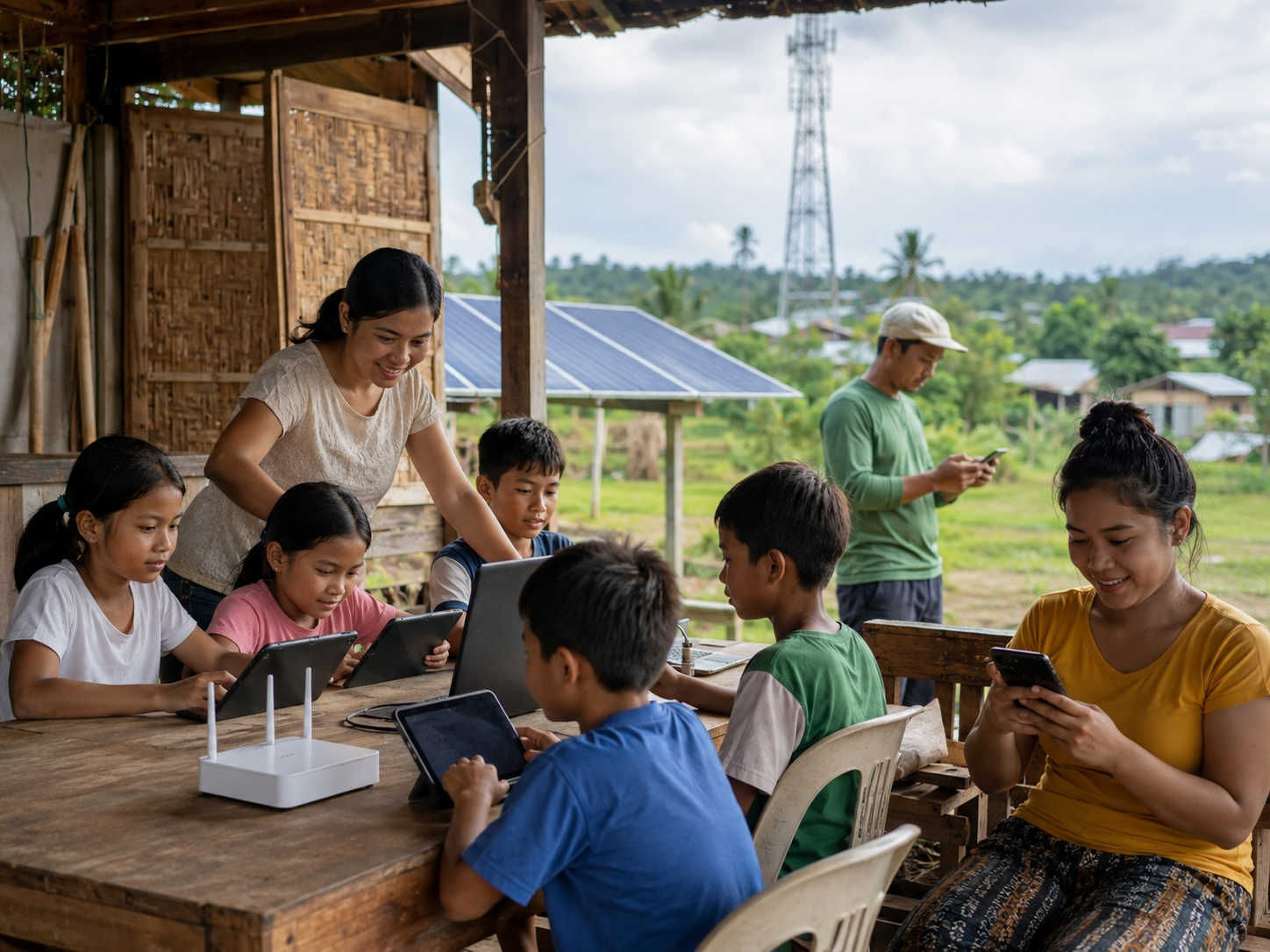


As the Philippines seeks to strengthen its position in the global economy, the development of a highly skilled workforce is paramount. This is where education and professional training come into play. By equipping individuals with both academic knowledge and specialized skills, the Philippines is producing a workforce that can compete with the best in the world.
Education in the Philippines is rooted in a strong academic system that provides students with a solid foundation in various disciplines. However, the changing dynamics of the job market have underscored the importance of integrating practical training with academic learning. Many educational institutions are now offering programs that blend theory with real-world applications, giving students the skills they need to excel in their chosen careers.
Alongside formal education, professional training programs in the Philippines play a crucial role in enhancing the workforce’s capabilities. Institutions like TESDA offer courses that are designed to develop specific skills that are in high demand. These training programs are typically short-term but intensive, providing workers with the competencies they need to succeed in fields such as automotive technology, hospitality, and healthcare.
Moreover, the Philippines has seen a rise in the demand for certifications that align with international standards. By acquiring globally recognized qualifications, Filipino workers increase their employability, both locally and abroad. This is particularly significant in industries such as healthcare, where Filipino professionals are highly sought after worldwide.
The private sector also plays a key role in the ongoing development of a competitive workforce. Many companies in the Philippines are investing in training and development programs for their employees. These programs help workers stay up-to-date with industry trends and acquire new skills that are necessary for career advancement.
Through the combination of a strong education system and robust professional training opportunities, the Philippines is shaping a workforce that is well-equipped to meet the challenges of a competitive global economy. By continuing to invest in these areas, the country is ensuring that its workforce remains capable, adaptable, and competitive on the world stage.